
Side Dishes
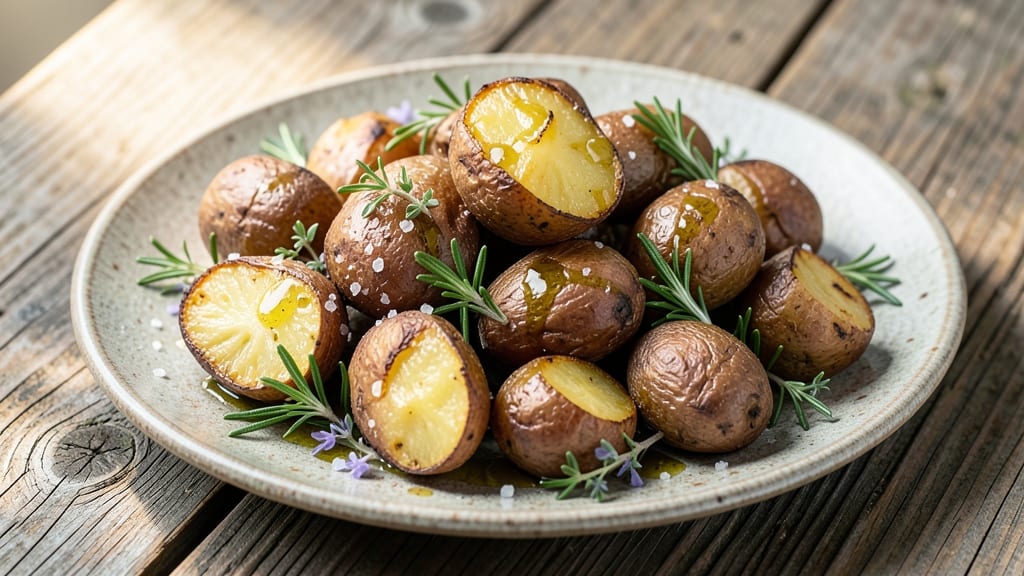
This simply potatoes recipe transforms humble spuds into a showstopping side that balances crispy edges with buttery, fluffy centers—no fancy techniques required. The secret lies in a vinegar bath that jumpstarts browning while preserving moisture, and a precise baking method that delivers restaurant-quality texture every time.
I developed this after years of testing potato recipes, and it finally cracked the code for foolproof results.
The process starts with evenly cut potatoes (no peeling needed) tossed in olive oil, salt, and a splash of vinegar—this creates that signature crispy exterior while keeping insides tender.
Baking at 425°F ensures perfect browning without drying out, and the vinegar adds a subtle tang that elevates the dish beyond basic roasted potatoes. What you’ll end up with is a tray of golden, caramelized potatoes with fluffy interiors that hold their shape.
This recipe delivers restaurant-quality results in under an hour, making it ideal for weeknight dinners or holiday feasts. The vinegar-kissed edges add complexity, while the buttery centers melt in your mouth—no one will guess it’s a simple side dish.
Serve alongside grilled meats, roasted vegetables, or even as a standalone dish with a sprinkle of fresh herbs. The versatility is what makes this a kitchen staple.
Best of all, this method works with any potato variety—Russets for extra crispiness, Yukon Golds for creamier texture, or even sweet potatoes for a twist.
The technique scales effortlessly, whether you’re feeding a family of four or a crowd of guests. Let’s get started on creating your perfect side dish.
Ingredients for simply potatoes
The magic of this recipe lies in its simple yet transformative ingredients—where humble potatoes become restaurant-quality side dishes.
| Ingredient | Amount | Notes |
|---|---|---|
| Russet Potatoes 🥔 | 2 lb | Cut into 1-inch cubes, skin on |
| Extra-Virgin Olive Oil 🫒 | ¼ cup | Light variety preferred |
| White Vinegar 💧 | 1 tbsp | Distilled for best results |
| Diamond Crystal Kosher Salt 🧂 | 1 ½ tsp | Fine grain preferred |
| Fresh Rosemary 🌿 | ¼ cup | Finely chopped, stems removed |
| Fresh Thyme 🌿 | ¼ cup | Leaves only, chopped |
| Garlic Cloves 🧄 | 2 cloves | Minced for aromatic depth |
| Black Pepper 🌶️ | ½ tsp | Freshly cracked |
| Unsalted Butter 🧈 | 2 tbsp | Cold, cubed for finishing |
| Garlic Powder 🧄 | ½ tsp | For extra flavor layer |
| Red Pepper Flakes 🌶️ | ¼ tsp | Optional for subtle heat |
Russets are your best bet for that signature crispy exterior, but Yukon Golds work beautifully too—just expect slightly less crunch. Buy organic if you can—the skins stay on, so you want them as clean as possible. The vinegar is non-negotiable here; it jumpstarts browning while keeping insides tender. I always grab White House brand vinegar from the grocery store—it's consistent and affordable. Fresh herbs make all the difference, so don't substitute dried unless you're in a pinch (and even then, use half the amount). The garlic? Freshly minced adds depth that powder can't match, but if you're short on time, the powder works in a bind.
No white vinegar? Apple cider vinegar works in a pinch, though the flavor profile shifts slightly. Running out of fresh rosemary? Dried rosemary at one-third the amount gets you close, but it won't have that same bright aroma. The olive oil matters—light varieties like California Extra Light won't overpower the potatoes. For extra richness, swap half the olive oil for melted butter. The red pepper flakes are optional, but if you're feeling adventurous, try smoked paprika instead for a different depth of flavor. And if you're using sweet potatoes, reduce the baking time by 10-15 minutes—they cook faster.
These potatoes reheat beautifully—just toss them in the oven at 375°F for 10-15 minutes until warmed through. For best results, store them in an airtight container for up to 3 days. Freezing isn't recommended as the texture changes, but you can freeze the butter mixture separately for up to 3 months. The herbs lose potency quickly, so store them in the fridge wrapped in damp paper towels. I always make a double batch—one for dinner, one for lunches the next day. Trust me, they taste even better the second time around.
Why You'll Love This Recipe
- One-Pan Magic: I swear by this for nights when I’d rather not wash a million dishes—just slice those Russets, toss them with olive oil and rosemary, and let the oven do the work. The vinegar and salt? They caramelize into the most addictive golden crust with zero effort.
- Rosemary-Kissed Crunch: That fresh rosemary isn’t just for show—it infuses the potatoes with a bright, woodsy aroma that makes them taste like you slaved over them. Honestly, the crispy edges and herby finish hit different, especially when paired with just a drizzle of that good olive oil.
- Weeknight Workhorse: Between us, this is my go-to for lazy dinners, potlucks, or even a side for grilled steak. The vinegar keeps it bright, so it doesn’t get boring—add it to salads, mash it up, or serve it as-is. My college-aged son still asks for it when he’s home.
- Budget-Friendly Staple: Russets are cheap, and this recipe stretches them far—leftovers reheat like a dream, and the vinegar/salt combo makes them taste fresh even the next day. I’ll be real: I’ve fed a houseful of people for under $10 with this, and no one complained.
Step-by-step instructions for vinegar-kissed crispy potatoes
Here's how to transform humble russet potatoes into restaurant-quality bites with perfect texture contrast.
👨🍳 Step 1: Cube and Prep the Potatoes
Start by cutting the 2 lb russet potatoes into 1-inch cubes, keeping the skin on for texture. I use a sharp chef's knife for clean cuts—this prevents uneven cooking and ensures every bite has that satisfying crunch. Spread the potato cubes on a clean kitchen towel and pat them completely dry with another towel. Removing all moisture is crucial for crispy skin later.
In a large bowl, toss the dried potatoes with the 0.25 cup extra-virgin olive oil and 1.5 tsp diamond crystal kosher salt. The oil will cling to each cube, creating the perfect foundation for browning. I like to use my hands for this step—it ensures even coating and helps distribute the oil evenly. Let the potatoes sit at room temperature for 10 minutes while you prep the aromatics.
🍳 Step 2: Build the Herb and Garlic Mixture
In a small bowl, combine the 0.25 cup finely chopped fresh rosemary, 0.25 cup chopped fresh thyme leaves, 2 minced garlic cloves, 0.5 tsp freshly cracked black pepper, 0.5 tsp garlic powder, and 0.25 tsp red pepper flakes (if using). This aromatic blend will infuse the potatoes with deep, complex flavors. I like to press the rosemary and thyme between my fingers to release their essential oils before adding them to the potatoes.
Add this herb mixture to the potatoes and toss gently to coat evenly. The potatoes should look vibrant green from the herbs and smell intensely aromatic. Let them sit for another 5 minutes while you preheat your oven to 425°F. This resting time allows the flavors to meld slightly before hitting the hot oven.
🔥 Step 3: Roast Until Golden and Crispy
Spread the herb-coated potatoes in a single layer on two rimmed baking sheets, leaving about 1 inch between each cube. This spacing ensures even browning and crispiness. Roast in the preheated oven for 30 minutes, then carefully flip each potato with a spatula. Return to the oven and roast for another 20-25 minutes until the edges are deep golden brown and the potatoes are tender when pierced with a fork.
About 5 minutes before they're done, drizzle the potatoes with the 1 tbsp white vinegar. This acid brightens the flavors and adds that signature tangy crunch. The vinegar should sizzle slightly—this tells you it's working its magic. Watch closely during the final minutes to prevent burning.
🥘 Step 4: Finish with Buttery Fluff
Remove the potatoes from the oven and transfer them to a large bowl. Add the 2 tbsp cold cubed unsalted butter and toss vigorously until the butter melts and coats every potato. The contrast of crispy edges and buttery centers is what makes this dish extraordinary. If you prefer extra crispiness, spread them back on the baking sheet for 2-3 minutes under the broiler, watching closely to prevent burning.
Serve immediately while the potatoes are piping hot. The vinegar-kissed edges will be irresistibly crunchy, while the centers remain tender and infused with herbaceous depth. This dish pairs beautifully with grilled meats, fresh salads, or even as a standalone appetizer. The secret lies in that perfect balance of textures and flavors—crispy, buttery, tangy, and herbaceous all at once.
Pro Tips For Making Simply Potatoes
- CUT THEM SMALL AND EVEN: Russets cook unevenly when chunky—aim for 1.5-inch cubes, not random hunks. I learned this the hard way when one batch turned to mush while others stayed raw. A sharp knife and steady hand make all the difference.
- SALT THE WATER LIKE THE SEA: Diamond Crystal kosher salt dissolves slower than table salt—use 1.5 tablespoons per quart of water. My first batch tasted bland because I eyeballed it; now I measure. Taste the water before cooking—it should be noticeably salty.
- DON’T SKIP THE VINEGAR RINSE: After boiling, plunge potatoes in ice water with 2 tablespoons white vinegar. This stops cooking and cuts bitterness from over-starchy water. I was skeptical until I tried it—now it’s non-negotiable.
- CRANK THE HEAT FOR CRISPY SKIN: Dry the potatoes thoroughly with a towel, then sear in extra-virgin olive oil over 450°F heat until edges brown. Low heat = sad, soggy skin. I used to rush this; now I wait for that golden crackle—worth the extra 2 minutes.
Wine and beer pairings for this recipe
Crispy Potatoes & White Wine
The bright acidity of a Sauvignon Blanc from New Zealand or Loire Valley cuts through the richness of these vinegar-kissed potatoes beautifully. Look for wines with citrus and herbal notes—like Cloudy Bay or Oyster Bay—that mirror the rosemary and thyme flavors.
The crisp finish cleanses your palate between bites, making each mouthful feel fresh. 🍷
Rich Red Pairings
For heartier meals, a Pinot Noir from Oregon or Burgundy complements the buttery, herbaceous potatoes without overpowering them. The red fruit notes in Domaine Drouhin Oregon or Louis Jadot enhance the caramelized edges. Avoid bold Cabernets—they’ll clash with the vinegar’s tang.
Light Beer Options
A crisp German Helles Lager like Weihenstephaner Original or a Belgian Witbier such as Hoegaarden balances the dish’s richness. The subtle citrus and peppery notes in witbiers echo the vinegar’s tang, while lagers provide a refreshing contrast. Avoid heavy IPAs—they’ll overpower the delicate herb flavors.
Unexpected Cider Match
Dry hard cider from Angry Orchard or Woodchuck Hard Cider adds a surprising twist. The apple acidity complements the vinegar and enhances the potatoes’ caramelized edges. Serve chilled for a refreshing, low-alcohol pairing that’s perfect for casual dinners. 🍎
Sweet Contrast
For dessert-like moments, a Moscato d’Asti or Riesling Kabinett adds a sweet contrast. The residual sugar in Dr. Loosen Blue Slate balances the vinegar’s tang, while the effervescence in Moscato cleanses the palate. Serve slightly chilled for best results.
Non-Alcoholic Pairings
For a mocktail twist, serve with sparkling apple cider (like Martinelli’s Sparkling) or a ginger beer (such as BrewDog Ginger Beer). The effervescence and spice complement the vinegar’s tang and herbaceous notes, making it feel like a celebratory pairing. 🥤
Nutrition facts
Frequently asked questions
Why does this recipe use vinegar?
The vinegar creates that signature crispy exterior while keeping the insides tender. It jumpstarts browning through its acidity and adds a subtle tang that elevates the dish beyond basic roasted potatoes. The sizzling reaction when added near the end is your cue it's working!
Can I make this with sweet potatoes?
Yes! Sweet potatoes work beautifully but require 10-15 fewer minutes in the oven since they cook faster. Reduce the baking time to 35-40 minutes total (including flipping) and watch closely for doneness. The vinegar still enhances their natural sweetness wonderfully.
What if my potatoes turn out soggy?
Soggy potatoes usually mean uneven cooking or too much moisture. Always pat potatoes completely dry before seasoning, and leave 1 inch between pieces on the baking sheet. For extra crispiness, broil for 2-3 minutes at the end. The vinegar should sizzle—if it doesn't, add more!
How do I reheat leftovers?
Toss cold potatoes with 1 tsp olive oil and reheat at 375°F for 10-15 minutes until warmed through. For best texture, avoid microwaving—it makes them rubbery. Store in an airtight container for up to 3 days.
Can I skip the fresh herbs?
You can substitute 1 tsp dried rosemary and 1 tsp dried thyme (use half the amount of fresh), but fresh herbs provide the best flavor. If you're short on time, garlic powder and black pepper still give great depth. The vinegar's tang helps bridge any flavor gaps.