Side Dishes
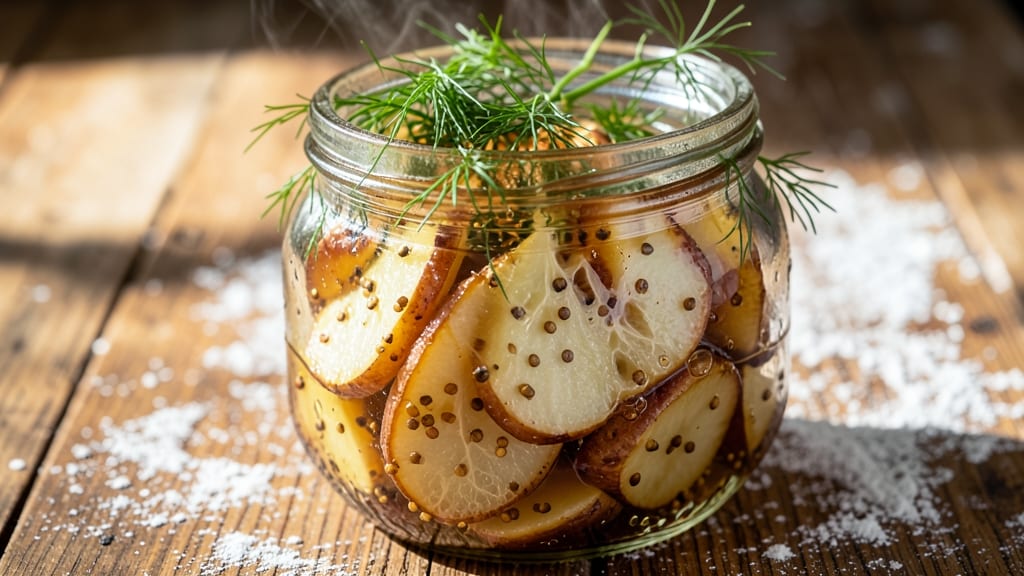
This old-fashioned pickled potatoes recipe brings a tangy, vinegar-kissed crunch to your table that transports you straight to a farmhouse kitchen. The secret lies in thinly sliced potatoes simmered in a bright vinegar brine with mustard seeds, dill, and bay leaves—a method passed down through generations.
I first discovered this technique while researching heirloom recipes, and it quickly became a staple in our household for its bold flavor and remarkable shelf life.
The process is straightforward but requires patience: potatoes must soak in the brine for at least 24 hours to develop that signature crisp-tender texture. The vinegar not only preserves the potatoes but also infuses them with a sharp, herby tang that pairs beautifully with grilled meats or fresh bread.
Unlike modern quick-pickled versions, this traditional method delivers a deeper flavor complexity that stands up to hearty main dishes.
What you'll achieve is a jar of golden, vinegar-bright potatoes with a satisfying crunch that softens just enough to melt in your mouth. The flavor profile balances sweet potato notes with the sharpness of vinegar and mustard, creating a side dish that's both nostalgic and unexpectedly sophisticated.
These potatoes keep for months in the refrigerator, making them perfect for meal prep or holiday gatherings.
Perfect as a side for barbecues, sandwiches, or even as a standalone snack with a dollop of sour cream. The recipe's simplicity belies its impressive versatility—once you try homemade, store-bought versions will never compare. Let's get started with this time-honored technique that brings old-fashioned flavor to modern meals.
Ingredients for old fashioned pickled potatoes
Vinegar, herbs, and patience create this nostalgic side that keeps for months.
| Ingredient | Amount | Notes |
|---|---|---|
| Russet Potatoes 🥔 | 2 lb | Thinly sliced, uniform thickness |
| White Vinegar 💧 | 2 cups | Distilled white preferred |
| Water 💧 | 2 cups | Filtered preferred |
| Granulated Sugar 🍚 | ½ cup | White or raw cane |
| Mustard Seeds 🌶️ | 1 tbsp | Yellow or brown |
| Fresh Dill Weeds 🌿 | ¼ cup | Chopped, stems removed |
| Bay Leaves 🍃 | 2 whole | Fresh preferred |
| Black Peppercorns 🌶️ | 1 tsp | Crushed lightly |
| Salt 🧂 | 1 ½ tsp | Diamond Crystal preferred |
| Red Wine Vinegar 🍷 | ½ cup | For depth of flavor |
| Garlic Cloves 🧄 | 3 cloves | Smashed, not minced |
The potatoes are non-negotiable—Russets are ideal for their starchy texture, but Yukon Golds work too. Look for firm, blemish-free tubers at local farmers markets or the organic section of Whole Foods. Thin slices are key: use a mandoline for even cuts, about 1/8-inch thick. The vinegar matters too—white vinegar for brightness, red wine vinegar for depth. I always grab Bragg apple cider vinegar for the white variety when I want extra tang, but distilled works perfectly fine. Fresh dill weeded from your garden adds the most flavor, but store-bought bundles in the produce section are a decent backup.
No fresh dill? Dried dill at one-third the amount works in a pinch, though it lacks the bright herbal notes. Substituting apple cider vinegar for white vinegar gives a mild sweetness that some prefer. Want more heat? Add a pinch of cayenne with the mustard seeds. The garlic can be omitted if you dislike its flavor, but it adds a subtle depth. For a sweeter profile, increase the sugar to 2/3 cup. The mustard seeds? Toast them in a dry pan for 30 seconds first—they'll release their aroma and make the whole dish sing. If you're short on time, pre-sliced potatoes from the salad bar save 15 minutes of prep work.
These potatoes taste better with age—24 hours minimum, but 3-4 days is ideal for maximum crunch. Store in airtight jars in the fridge for up to 6 months. The brine will separate slightly over time; just stir before serving. For meal prep, portion into small jars so you can grab exactly what you need. The flavor actually improves after the first week as the vinegar infuses deeper. Freezing isn't recommended as it ruins the texture, but you can freeze the brine separately for up to 3 months if you want to make a fresh batch later.
Why You'll Love This Recipe
- Five-Ingredient Magic: I swear by this recipe because it’s that simple—just potatoes, vinegar, sugar, water, and mustard seeds. No fancy prep, no chopping like you’re auditioning for a cooking show. Honestly, the hardest part is deciding whether to peel them or leave the skins on.
- Tangy Crunch Delight: That vinegar-sugar balance? Chef’s kiss. The potatoes soak up just enough sweetness to cut through the sharpness, while the mustard seeds add a tiny, satisfying bite. It’s the kind of flavor that makes you reach for seconds without even thinking—especially when the edges get that perfect crisp.
- Weeknight Sidekick: I make a big batch on Sundays and toss them into salads, sandwiches, or even just eat them straight from the jar. They’re great cold, room temp, or even reheated—no one judges. Between us, they’re my go-to for potlucks too. Just grab a container, and boom: you’ve brought the snack.
- Jars Full of Savings: A single batch costs me pennies and lasts for weeks. The vinegar keeps them fresh, and the sugar prevents them from getting soggy. I’ll be real: I’ve had these last months in my fridge, and they’re still good. Plus, you’re using pantry staples—no weird ingredients to track down. Budget win.
Step-by-step instructions for old fashioned pickled potatoes
Here's the straightforward method for tangy, crisp pickled potatoes that keep their crunch for days.
Prepare the Potatoes for Perfect Slices
Peel the 2 lb russet potatoes and slice them into ¼-inch thick rounds using a mandoline or sharp knife. I like to work in batches to maintain even thickness—this ensures consistent cooking and crisping. Rinse the slices under cold water to remove excess starch, then drain thoroughly in a colander.
Spread the sliced potatoes on a clean kitchen towel and let them air-dry for 10 minutes. This step is crucial—moisture on the potatoes can dilute the brine and prevent proper pickling. You'll know they're ready when the surface looks matte rather than glossy.
Create the Brine with Precision
In a large non-reactive bowl, combine the 2 cups white vinegar, 2 cups water, 0.5 cup granulated sugar, 0.5 cup red wine vinegar, 1.5 tsp salt, 1 tbsp mustard seeds, and the 3 smashed garlic cloves. Stir until the sugar and salt fully dissolve—this should take about 2 minutes of vigorous mixing.
The mustard seeds will sink to the bottom, so give the mixture a final stir right before adding the potatoes. Add the 2 whole bay leaves and 0.25 cup chopped fresh dill weeds to the bowl. The dill should be distributed evenly throughout the brine, not clumped together.
Pack and Press the Potatoes
Transfer the dried potato slices to a clean quart-sized mason jar, packing them tightly in layers. Use a wooden spoon to press down gently after each layer to remove air pockets. This ensures the potatoes stay submerged in the brine and pickle evenly.
Pour the prepared brine over the potatoes until they're completely covered by about ½ inch. Tap the jar gently on the counter to release any trapped air bubbles. Seal the jar with the lid and let it sit at room temperature for 1 hour to allow the flavors to begin melding.
Refrigerate for Maximum Crunch
After the initial hour, transfer the jar to the refrigerator where it will pickle for at least 24 hours before reaching peak flavor. The potatoes will develop a satisfying crunch and absorb the tangy, herby brine. I like to give them 48 hours for maximum depth of flavor.
Check the potatoes after 24 hours—they should be firm with a slight tang when tasted. If you prefer them extra crisp, you can leave them in the refrigerator for up to 1 week. The longer they pickle, the more pronounced the flavors become, but they'll remain crisp rather than soft.
Serve and Store with Confidence
When ready to serve, remove the potatoes from the jar and drain them on a wire rack for 10 minutes to remove excess brine. The potatoes should be firm to the touch with a bright, tangy flavor. Serve them as a crisp side dish, in sandwiches, or alongside grilled meats.
Store any remaining potatoes in the refrigerator in their original brine for up to 2 weeks. The brine can be reused for additional batches of potatoes, though the flavor will gradually diminish with each use. For best results, use fresh brine for each new batch.
Pro Tips For Making Old Fashioned Pickled Potatoes
- BOIL POTATOES WHOLE FIRST: I learned this the hard way—peeling and slicing raw Russets before boiling makes them turn to mush. Instead, drop whole, unpeeled potatoes into boiling water for 10-12 minutes until a knife slides in easily. Then peel and slice while still warm; they’ll hold their shape like a dream.
- USE 50/50 VINEGAR WATER: Equal parts white vinegar and water (no more than 50% vinegar) keeps the potatoes crisp without turning them rubbery. Too much vinegar? They’ll soften faster. Too little? The flavor gets weak. Stick to the ratio—your future self will notice the difference.
- STERILIZE JARS HOT: Cold jars straight from the dishwasher or shelf? Skip it. Run them through a 200°F oven for 10 minutes first, or boil them in water for 5 minutes. This prevents moldy batches later—trust me, I’ve opened enough sad, cloudy jars to know.
- ADD SUGAR LAST: Dissolve the granulated sugar in the vinegar-water mix after the potatoes are cooled but before sealing. Cold liquid prevents the sugar from caramelizing prematurely and keeps the brine clear. Sounds picky, but it makes a real difference in texture.
Best sauces and condiments for old fashioned pickled potatoes
Classic Mustard Sauce
My go-to pairing is a simple Dijon mustard sauce—just whisk together 2 tbsp Dijon mustard, ¼ cup sour cream, 1 tbsp apple cider vinegar, and 1 tsp honey.
Drizzle this over the pickled potatoes just before serving to enhance their tang with a creamy, slightly sweet contrast. The mustard seeds in the potatoes will echo beautifully in the sauce, creating a cohesive flavor bridge. 💛
Creamy Sour Cream
A dollop of full-fat sour cream adds richness that balances the vinegar's sharpness. I like to mix it with a pinch of smoked paprika and a squeeze of lemon juice for extra brightness. Serve it on the side for dipping or spoon it directly onto the potatoes.
For a lighter option, blend the sour cream with a splash of buttermilk to create a tangy, airy topping that won’t overpower the dish.
Spicy Aioli Twist
For heat lovers, a garlic-herb aioli takes these potatoes to the next level. Mix ½ cup mayonnaise, 1 tbsp lemon juice, 1 minced garlic clove, 1 tsp chopped fresh dill, and a pinch of cayenne pepper.
The aioli’s creaminess contrasts the potatoes’ crunch while the garlic and dill mirror the flavors in the brine. Serve it as a dip or drizzle it lightly over the top for a bold finish. 🌶️
Sweet and Tangy Glaze
Balance the acidity with a honey-balsamic glaze—simmer 2 tbsp honey and 1 tbsp balsamic vinegar in a small saucepan until slightly thickened. Drizzle this over the potatoes to add a caramelized sweetness that cuts through the vinegar’s sharpness.
The glaze works especially well when paired with grilled meats like pork chops or chicken, creating a sticky, flavorful contrast.
Herb Butter
For a rich, savory option, melt 2 tbsp unsalted butter with 1 tbsp chopped fresh parsley, ½ tsp garlic powder, and a pinch of salt. Spread this herb butter on warm bread or toast and serve alongside the pickled potatoes.
The butter’s richness complements the potatoes’ tangy crunch, making it a perfect pairing for sandwiches or as a standalone snack. ✨
Pickled Onion Topping
Elevate the dish by topping the potatoes with quick-pickled red onions—simmer ½ cup thinly sliced red onions with ½ cup apple cider vinegar, 1 tbsp sugar, and a pinch of salt for 5 minutes.
The onions add another layer of tang and a pop of color that makes the dish visually striking. The double pickling effect creates a harmonious, layered flavor experience.
Nutrition facts
Frequently asked questions
Can I use sweet potatoes instead of russets?
While russets are ideal for their starchy texture, you can absolutely use sweet potatoes—but expect a different flavor profile. The natural sweetness will pair beautifully with the vinegar, creating a caramelized tang. For best results, slice them 1/8-inch thick and reduce the sugar in the brine to 1/4 cup to balance the sweetness. The texture will be slightly softer but still hold a pleasant crunch.
How do I fix potatoes that turned mushy?
Mushy potatoes usually happen when they weren't dried properly before pickling or soaked too long. If this happens, drain the potatoes and pat them dry with a paper towel. Place them in a single layer on a wire rack for 1-2 hours to re-crisp. For future batches, ensure you air-dry the slices for 10-15 minutes and avoid overcrowding the jar—potatoes need space to maintain their shape.
Can I make this recipe without fresh dill?
Yes! If you don't have fresh dill, use 1 teaspoon dried dill instead—just remember it's more concentrated. For extra flavor, add 1/2 teaspoon dried tarragon or a pinch of fennel seeds to mimic the herbal notes. The mustard seeds and bay leaves will still provide depth, so the dish won't lose its character. The flavor won't be identical, but it'll still taste delicious!
How long can I store these in the fridge?
Properly pickled potatoes will keep for up to 6 months in the refrigerator, though the texture will soften after 2 weeks. The brine can be reused for 1-2 additional batches, but the flavor will gradually weaken. For best quality, store in airtight jars and check for any signs of spoilage (off smells or mold) before eating. The longer they pickle, the more intense the flavor becomes!
What's the best way to serve these with grilled meats?
These pickled potatoes pair perfectly with grilled meats like pork chops, chicken, or steak. For a complete meal, serve them alongside a creamy Dijon mustard sauce or a dollop of sour cream with smoked paprika. The tangy crunch cuts through rich, fatty meats beautifully. Try adding them to sandwiches or burgers for a flavorful twist on classic dishes.