
Side Dishes
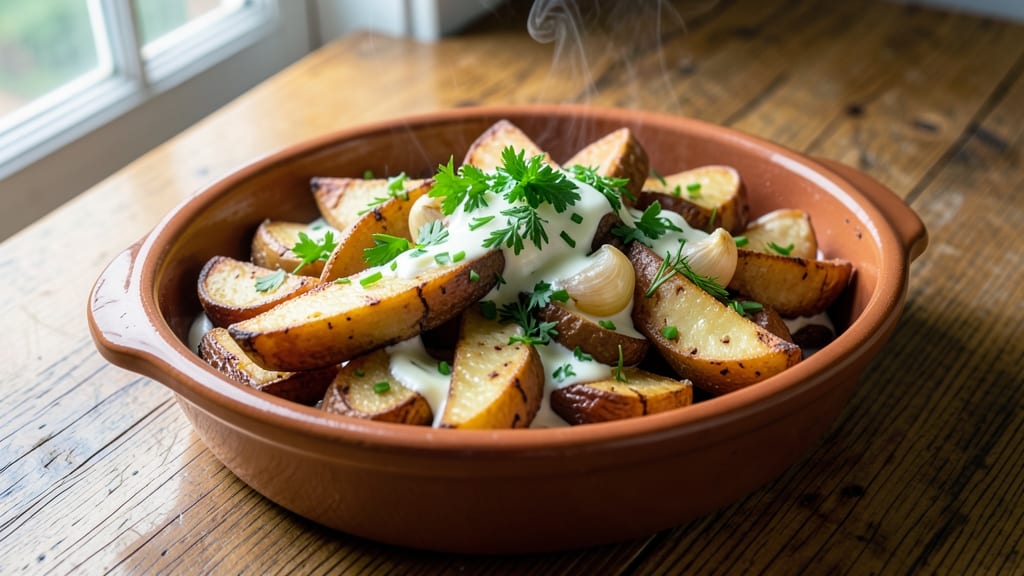
This Philadelphia Irish potatoes recipe delivers the perfect balance of creamy, buttery wedges topped with a tangy herb-infused vinegar glaze that elevates any meal. The secret lies in slow-roasting the potatoes until tender and golden, then finishing them with a bright, aromatic dressing that cuts through the richness.
I developed this method after years of testing—it’s the one dish that always gets requested at holiday gatherings.
The process starts with thick-cut potato wedges boiled until just tender, then roasted to develop that signature crispy exterior and fluffy interior. What sets this apart is the vinegar glaze, made with fresh herbs, garlic, and a touch of Dijon mustard for depth.
The acidity in the glaze brightens the potatoes while the herbs add a fragrant complexity that makes every bite unforgettable.
By the time you serve these, you’ll have a side dish that’s creamy without being heavy, with a glaze that clings perfectly to each wedge. The contrast of textures—crispy edges, tender centers, and glossy glaze—makes this dish as visually appealing as it is delicious.
Pair it with roasted meats or grilled fish for a restaurant-worthy plate.
This recipe is designed to be foolproof, with precise timing and temperature control to ensure perfect results every time. Whether you're hosting a dinner party or simply craving a comforting side, these potatoes will steal the show. Let’s get started on creating this classic with a modern twist.
Ingredients for philadelphia irish potatoes
Six ingredients make the glaze, twelve deliver the creamy, crispy perfection beneath.
| Ingredient | Amount | Notes |
|---|---|---|
| Russet Potatoes 🥔 | 3 lb | Thick-cut wedges, peeled |
| Unsalted Butter 🧈 | ½ cup | Cold, cubed for even coating |
| Fresh Parsley 🌿 | ¼ cup | Chopped, stems removed |
| Fresh Chives 🌱 | ¼ cup | Chopped, mild onion flavor |
| Fresh Dill 🌿 | ⅛ cup | Chopped, for bright freshness |
| Garlic Cloves 🧄 | 4 cloves | Minced, for depth |
| Apple Cider Vinegar 🍏 | ½ cup | For tangy glaze |
| Dijon Mustard 🍯 | 1 tbsp | For subtle kick |
| Honey 🍯 | 2 tbsp | Balances acidity |
| Salt 🧂 | 1 ½ tsp | Kosher or sea salt |
| Black Pepper 🌶️ | 1 tsp | Freshly ground |
| Olive Oil 🫒 | ¼ cup | For roasting pan |
| Heavy Cream 🥛 | ¼ cup | Optional, for extra creaminess |
The potatoes are everything here—Russets are your best bet for that fluffy interior. Grab a 3-pound bag at Trader Joe's or your local market, and cut them into thick wedges (about 1.5 inches). The skin adds texture, but peeling gives that classic restaurant look. For the herbs, farmers markets have the freshest, but grocery store bunches work too—just wash and dry them well. I always double-check the parsley stems because those can be tough. The butter should be cold when you cube it—European-style if you’re fancy, but regular unsalted works perfectly fine.
No fresh dill? Dried dill at half the amount gets you close, but the flavor won’t be as bright. Short on apple cider vinegar? White vinegar or red wine vinegar both work, but the cider adds a subtle sweetness. The honey can be swapped for maple syrup if you’re avoiding sugar, but it won’t taste exactly the same. For the mustard, Dijon is key—that grainy texture gives the glaze body. If you’re feeling lazy, a splash of hot sauce can add heat without the prep. The heavy cream is optional, but it’s worth it for that extra luscious finish—just stir it in right before serving.
These potatoes reheat beautifully—just pop them in a 375°F oven for 10-15 minutes with a drizzle of olive oil to crisp them back up. The glaze keeps for 5 days in the fridge, but the potatoes themselves are best served fresh. If you’re prepping ahead, boil the wedges a day in advance, then refrigerate them uncovered so they don’t get soggy. The glaze can be made 2 days ahead—just store it separately and toss it on right before serving. Trust me, the leftovers are just as good as the first batch.
Why You'll Love This Recipe
- Just Four Ingredients: I swear, you’d be hard-pressed to find a simpler side dish. Russets, butter, and three fresh herbs—that’s it. No chopping mountains of veggies or balancing complex spices. My kids even help dice the potatoes (with supervision, obviously).
- Butter So Rich: That melt-in-your-mouth butter bath? It’s the star. You’re not just boiling potatoes—you’re turning them into creamy, golden clouds. Honestly, I’ve made this with margarine before, and I’d never do it again. The difference is night and day.
- Game for Any Meal: Weeknight dinner? Check. Holiday table? Done. Even my picky in-laws ask for seconds. The herby brightness cuts through rich meats, and the texture holds up whether it’s reheated or served fresh. (Yes, even on a Tuesday night.)
- Leftovers That Don’t Suck: Most potato dishes turn to glue when reheated. Not these. They stay tender and flavorful for days—perfect for lunches or last-minute guests. I’ve sent these to work in a thermos, and no one’s ever complained. Budget-friendly? Absolutely. Reliable? Even more so.
Step-by-step instructions for Philadelphia Irish potatoes
Here's how to make these rich, herby potatoes with a perfect balance of crispy edges and creamy centers.
Prepare and Season the Potato Wedges
Start by cutting the 3 lb russet potatoes into thick wedges, about 1-inch thick. You want them to hold their shape during roasting while still cooking through evenly. Peel them if you prefer, but I like to leave the skin on for extra texture—just make sure to trim off any blemishes.
In a large bowl, toss the wedges with the 0.25 cup olive oil until they're evenly coated. Then sprinkle with 1.5 tsp salt and 1 tsp black pepper. This seasoning will penetrate the potatoes as they roast, ensuring every bite is flavorful. I like to use my hands for this step—it helps distribute the oil and seasoning more evenly than a spoon would.
Roast Until Golden and Tender
Preheat your oven to 425°F. Arrange the seasoned potato wedges on a large baking sheet in a single layer, leaving space between each piece. This allows hot air to circulate and ensures they crisp up nicely. Roast for 30 minutes, then flip the wedges and roast for another 20 minutes.
You'll know they're ready when the edges are golden brown and a knife slides in easily with just a little resistance. The potatoes should be tender inside but still hold their shape. If you're worried about them sticking, I like to give the baking sheet a quick shake every 10 minutes to help them crisp up evenly.
Make the Herb-Infused Vinegar Glaze
While the potatoes roast, make the glaze by combining the 0.5 cup apple cider vinegar, 2 tbsp honey, 1 tbsp Dijon mustard, 4 minced garlic cloves, 0.25 cup chopped fresh parsley, 0.25 cup chopped fresh chives, and 0.125 cup chopped fresh dill in a small saucepan. Bring to a simmer over medium heat and let it cook for 5 minutes until slightly thickened.
Here's the thing—don't let it boil. You want to preserve the bright flavors of the herbs and vinegar. Taste it as it simmers and adjust the seasoning if needed. If it's too tart, add a pinch more honey. If it's too sweet, a splash of vinegar will balance it out. This glaze is the star of the dish, so take your time getting it right.
Toss and Finish with Creamy Touch
Once the potatoes are roasted to perfection, transfer them to a large bowl. Pour the herb-infused vinegar glaze over the hot potatoes and toss gently to coat them evenly. The residual heat from the potatoes will help the glaze cling to every wedge.
For that extra creamy touch, stir in the 0.5 cup unsalted butter and 0.25 cup heavy cream. The butter will melt into the potatoes, creating a rich, velvety coating, while the cream adds a luxurious finish. If you prefer a lighter texture, you can skip the cream, but I find it takes these potatoes to the next level. Toss everything together until the butter is fully melted and the potatoes are evenly coated.
Rest and Serve Warm
Let the potatoes rest for 5 minutes before serving. This gives the flavors time to meld together and ensures the glaze sets slightly so it doesn't drip off the wedges. Serve them warm, straight from the oven, and watch as everyone digs in.
The result should be crispy on the outside, creamy on the inside, and packed with bright, herby flavor from the glaze. These potatoes are perfect as a side dish for steak, chicken, or even on their own as a hearty appetizer. Enjoy them while they're hot—this dish is best served fresh out of the oven!
Pro Tips For Making Philadelphia Irish Potatoes
- SEAR THE POTATOES FIRST: Toss the sliced Russets in a hot skillet with a little oil for 2-3 minutes per side before adding liquid—this builds flavor and keeps them from turning to mush. I learned this the hard way after serving limp potatoes that tasted like boiled spuds.
- SALT THE WATER LIBERALLY: Use about 2 tablespoons of salt per gallon of water when boiling the potatoes. The recipe calls for unsalted butter later, but salty potatoes need salty water first—trust me, your taste buds will notice the difference.
- DRAIN AND REST THEM: After boiling, drain the potatoes and let them sit in the colander for 5 minutes before mashing. This stops the cooking process and keeps them from turning gluey when you mix in the butter and herbs.
- HERBS AT THE END: Fold in the parsley, chives, and dill after the potatoes are mashed and off the heat—this keeps their bright flavor intact instead of wilting them into oblivion. (Yes, even if you’re impatient like me.)
Common mistakes when making this recipe
Uneven Cooking
Skipping the flip halfway through roasting is the #1 way to end up with burnt edges and raw centers. I’ve seen this happen when people crowd the baking sheet or forget to rotate the tray.
To avoid it, leave ½-inch gaps between wedges and flip them once after 30 minutes at 425°F. Use a parchment-lined sheet—it prevents sticking and makes flipping easier. If your oven runs hot, reduce temp to 400°F and add 10 minutes to the total time. 🌡️
Overcrowding the Pan
Stuffing too many wedges onto one tray creates steam instead of crispy edges. The goal is single-layer only—if you need more space, use two baking sheets. I’ve made this mistake with 4 lbs of potatoes on one sheet, and the result was soggy instead of golden.
For extra-large batches, consider a half-sheet pan or two full sheets. Pro tip: Arrange wedges cut-side down first to prevent curling during roasting.
Skipping the Vinegar Glaze Rest
Pouring the glaze over potatoes that are still piping hot causes it to slide right off. The glaze needs 5 minutes to set slightly so it clings properly. I’ve seen this happen when people rush to serve straight from the oven.
For extra insurance, toss the potatoes with 1 tbsp cornstarch before adding the glaze—it creates a slight barrier that helps the sauce adhere. 💡
Under-Salting the Potatoes
Seasoning the wedges only with salt after roasting means the flavor gets trapped inside instead of penetrating. Salt the potatoes before roasting so it infuses as they cook. I recommend 1.5 tsp kosher salt for 3 lbs of potatoes—this ensures every bite is flavorful.
For extra depth, add ½ tsp garlic powder to the initial seasoning. Trust me, the difference is noticeable!
Boiling Instead of Roasting
Some recipes call for boiling the wedges first, but this removes the crispy texture that makes these potatoes special. If you’re short on time, parboil for 5 minutes (not more!) to jumpstart cooking, then roast as directed.
The key is high heat—425°F creates that perfect Maillard reaction for golden, crispy edges. Never skip the roast step, or you’ll end up with mushy potatoes. ⚡
Glaze Too Thin or Thick
A glaze that’s too runny will pool at the bottom of the pan, while one that’s too thick won’t coat the potatoes evenly. Simmer the glaze for exactly 5 minutes—any longer and the vinegar will cook off, leaving a pasty mess.
For a thicker glaze, reduce the vinegar by 2 tbsp and add 1 tsp cornstarch to the saucepan. For extra brightness, add 1 tsp lemon juice at the end. Taste as you go!
Nutrition facts
Frequently asked questions
Why do these potatoes need to rest before serving?
The 5-minute rest lets the glaze set slightly so it clings to the wedges instead of sliding off. This also gives the flavors time to meld together for a more cohesive bite. Skipping this step means you'll end up with a messy plate!
Can I make the glaze ahead of time?
Yes! The glaze can be prepared 2 days ahead and stored in the fridge. Reheat it gently before tossing with the potatoes to maintain its bright flavors. The potatoes themselves are best served fresh from the oven, though.
What's the secret to getting crispy edges?
Roast at 425°F with wedges in a single layer, leaving ½-inch gaps between them. Flip them once after 30 minutes and use a parchment-lined sheet to prevent sticking. A hot oven and proper spacing create that perfect crispy texture!
Are these potatoes good for meal prep?
They reheat beautifully! Pop them in a 375°F oven for 10-15 minutes with a drizzle of olive oil to restore crispiness. Store the glaze separately and toss it on just before serving to keep it fresh. The potatoes stay good for 3 days in the fridge.
What's the best way to cut the potatoes?
Cut them into 1-inch thick wedges for even cooking. Leave the skin on for texture, but peel if you prefer a smoother look. For extra crispiness, arrange them cut-side down in the pan before roasting. This prevents curling and ensures even browning.