
Side Dishes
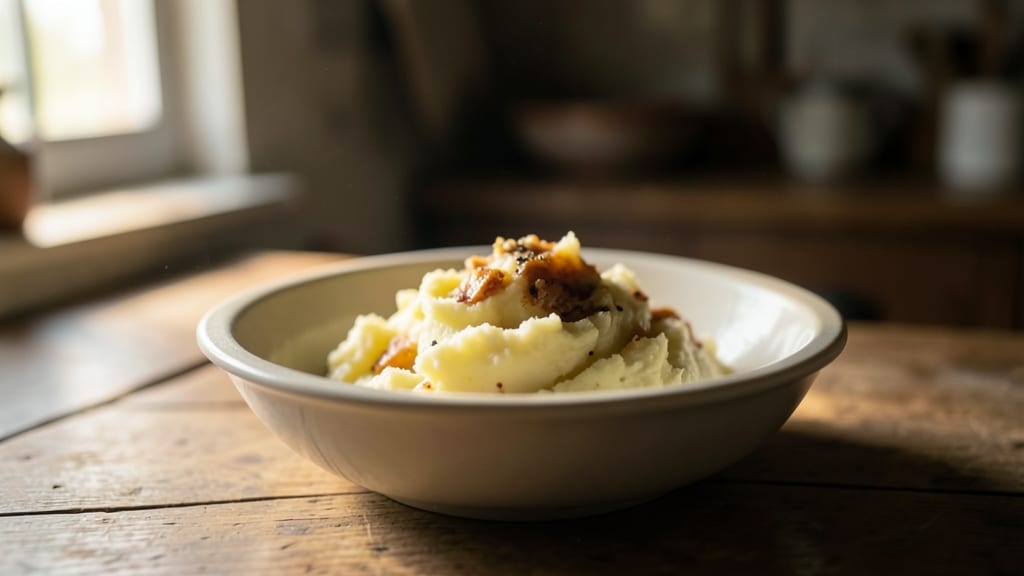
This canned potatoes mashed recipe solves the age-old problem of lumpy, watery mashed potatoes while delivering restaurant-quality creaminess in minutes. The secret lies in proper seasoning and technique—no need for boiling or peeling when canned potatoes cut prep time dramatically.
I perfected this method after years of holiday kitchen frustrations, and it now handles even the busiest dinner nights with ease.
What makes this recipe stand out is its foolproof texture—silky smooth without the guesswork. Canned potatoes provide consistent results, but the real magic happens in the seasoning and blending process.
You’ll need just four key ingredients: the canned potatoes, butter, milk, and salt, plus optional upgrades like sour cream or roasted garlic for depth. The process takes less than 15 minutes, making it ideal for weeknight meals or holiday sides.
By the time you’re done, you’ll have perfectly fluffy mashed potatoes with a velvety consistency that melts in your mouth. The butter and milk create a rich, creamy base while the salt enhances natural potato sweetness.
This version holds its shape when served but still delivers that classic mashed potato comfort—no lumps, no watery mess, just pure satisfaction.
Serve alongside roasted meats, gravy-drizzled roasts, or even as a standalone dish with crispy bacon bits. The recipe scales easily for crowds, and leftovers reheat beautifully. Here’s how to achieve perfect texture every time—no shortcuts, just professional results.
Ingredients for canned potatoes mashed
Four key ingredients transform canned potatoes into restaurant-quality mashed potatoes in minutes.
| Ingredient | Amount | Notes |
|---|---|---|
| Canned Potatoes 🥔 | 2 cans | 15 oz each, drained and rinsed |
| Unsalted Butter 🧈 | ½ cup | Cold, cut into small cubes |
| Whole Milk 🥛 | ½ cup | Room temperature for best results |
| Coarse Sea Salt 🧂 | ½ tsp | Adjust to taste after blending |
| Freshly Ground Black Pepper 🌶️ | ¼ tsp | Freshly cracked for maximum flavor |
| Sour Cream 🥛 | ¼ cup | Optional for extra creaminess |
| Roasted Garlic 🧄 | 1 whole | Optional for depth of flavor |
The canned potatoes are the foundation—choose 15 oz cans with minimal additives. Great Value or Libby's brands work perfectly, and their consistent texture eliminates the guesswork of boiling fresh potatoes. For the butter, Plugrá or Land O'Lakes unsalted sticks are ideal; cold cubes melt more evenly. The milk should be whole for maximum creaminess (skim won't cut it), and Trader Joe's or Whole Foods organic options add subtle sweetness. Roasted garlic? Make it ahead by roasting whole bulbs at 400°F for 40 minutes—worth the effort for that mellow, sweet depth.
No sour cream? Greek yogurt at half the amount works in a pinch, though it adds tang. Out of whole milk? Heavy cream delivers richness, but cut the amount to 1/4 cup to avoid heaviness. The sea salt is critical—Diamond Crystal flakes dissolve beautifully, but kosher works too. For pepper, freshly cracked is non-negotiable; pre-ground loses potency fast. Want more body? Add 1 tbsp cream cheese to the final blend—it melts seamlessly. The key is blending until smooth; immersion blenders handle this best, but a potato masher works if you're patient (and enjoy elbow grease).
Leftover mashed potatoes reheat beautifully—microwave in 30-second bursts, stirring between each, until warmed through. Store in an airtight container for up to 5 days in the fridge, or freeze for 3 months (thaw overnight in the fridge). For serving, a light dusting of black pepper and a drizzle of melted butter elevate the dish instantly. Double the batch for holiday meals; the texture actually improves after resting, as the starches fully hydrate.
Why You'll Love This Recipe
- No Chopping Needed: I’ll admit, I used to avoid canned potatoes—until I realized they’re pre-cooked and perfectly fluffy after a quick mash. Just drain, heat, and blend with butter and milk while I handle the rest of dinner.
- Rich Without Effort: That first creamy bite? Pure satisfaction. The butter melts into the potatoes so smoothly, and the whole milk adds just enough body to feel indulgent—no heavy cream or fancy gadgets required.
- Weeknight Magic: Between us, this is my go-to when I’m too tired to peel or boil. Toss in a pinch of salt and pepper, and boom—creamy, comforting mash ready in 10 minutes. (Yes, even on a Tuesday night.)
- Budget-Friendly Luxury: I buy canned potatoes in bulk, and they last forever. A single can stretches across multiple meals, plus the butter and milk are pantry staples. It’s the kind of recipe that makes frugal eating feel special.
Step-by-step instructions for silky canned potato mash
Here's how to transform canned potatoes into restaurant-quality mash with minimal effort and maximum creaminess.
Prepare the Potatoes for Maximum Texture
Open the 2 cans of canned potatoes and drain them thoroughly, shaking each can vigorously to remove excess liquid. Transfer the potatoes to a large mixing bowl and use a potato masher or wooden spoon to break them down into rough chunks—don't overdo it at this stage. The goal is to create a slightly uneven texture that will blend smoothly later.
Real talk: Canned potatoes have a different moisture content than fresh, so we're working with what we've got. The key is to handle them gently at first to avoid creating a gluey consistency. If you see any remaining liquid in the bowl, drain it completely—this prevents a watery mash. The potatoes should look like coarse, uneven crumbles at this point.
Incorporate Cold Butter and Roasted Garlic
Add the 0.5 cup of cold, cubed unsalted butter to the potatoes along with the 1 whole roasted garlic clove, squeezed from its skin. Using a hand mixer or electric beaters, blend on medium speed for about 1 minute until the butter is fully incorporated and the mixture begins to thicken. The cold butter will help create a velvety texture rather than a greasy one.
Here's the thing—using cold butter is crucial. If you melt it first, you'll end up with a sauce-like consistency rather than the light, fluffy mash we're aiming for. You'll know you're on the right track when the mixture starts to look smooth and slightly thickened, with no visible butter chunks remaining. The roasted garlic will add a subtle, sweet depth that elevates the flavor beyond basic mashed potatoes.
Add Warm Milk and Seasonings Gradually
With the mixer running on low speed, slowly pour in the 0.5 cup of room-temperature whole milk while simultaneously sprinkling in the 0.5 teaspoon of coarse sea salt and 0.25 teaspoon of freshly ground black pepper. Continue mixing for another 2 minutes until the mixture reaches a silky, smooth consistency. This gradual addition prevents lumps and ensures even seasoning throughout.
Don't rush this step. The milk should be incorporated completely before moving on, and the mixture should coat the back of a spoon smoothly. If it looks too thick at this point, add 1 tablespoon of warm water and mix again. The texture should be light enough to pipe but still hold its shape—think of it like thick pudding rather than thin soup. The salt should be evenly distributed, but you can always adjust after tasting.
Finish with Sour Cream for Extra Creaminess
Gently fold in the 0.25 cup of sour cream using a rubber spatula, mixing just until combined. This final step adds a luxurious creaminess without altering the texture we've carefully built. The sour cream should disappear completely into the mixture, leaving no streaks. Taste and adjust seasoning if needed—this is your last chance to perfect the flavor balance.
This is the moment that matters: The sour cream not only adds richness but also helps stabilize the mash, preventing it from becoming gummy as it cools. For best results, serve immediately while still warm. The potatoes should have a velvety, almost buttery texture with no lumps, and the roasted garlic flavor should be subtle but noticeable. If you prefer a smoother finish, you can press the mash through a fine-mesh sieve at this stage, though it's not necessary.
Pro Tips For Making Canned Potatoes Mashed
- Drain and Rinse Cold: Canned potatoes come packed in water or broth, which can make your mash watery. Dump them into a colander, give them a quick rinse under cold water, and let them sit for 30 seconds—this cuts excess liquid and keeps the texture tight.
- Heat the Milk First: Whole milk straight from the fridge will make your mash clump like glue. Warm it in a small saucepan or microwave for 30 seconds—just until it’s lukewarm. It blends smoother and adds richness without breaking the butter.
- Mash in Stages: Don’t dump all the milk and butter at once. Start with half the butter, mash until it’s mostly incorporated, then add a splash of warm milk. Repeat. This keeps the texture velvety instead of gummy, and you’ll avoid overworking the potatoes into paste.
- Salt the Butter, Not the Potatoes: Unsalted butter is your friend here, but don’t season the potatoes themselves. Work the coarse sea salt directly into the butter before adding it to the mash. This way, every bite gets that bright, even saltiness—no bland spots.
Best sauces and condiments for this canned potatoes mashed
Buttery Brown Gravy
This classic pairing transforms your canned mashed potatoes into a hearty side. Start by draining the drippings from your roasted meat into a saucepan. Add 2 tablespoons of the same butter used in your mash, then whisk in 1 cup of beef or chicken broth.
Let it simmer for 3-4 minutes until slightly thickened. For depth, stir in 1 teaspoon of cornstarch mixed with 2 tablespoons cold water. Season with ½ teaspoon black pepper and a pinch of salt.
The gravy should coat the back of a spoon smoothly—just thick enough to cling to the potatoes without overwhelming them. 🥄
Creamy Garlic-Herb Sauce
For a lighter but equally delicious option, blend ½ cup sour cream, 2 tablespoons melted butter, 1 roasted garlic clove, 1 tablespoon fresh chives, and ½ teaspoon lemon zest until smooth. Thin with 1-2 tablespoons warm milk if needed for drizzling consistency.
This sauce adds a silky, herby contrast that brightens the richness of the potatoes. I love using this for a Thanksgiving twist—it’s like a cross between mashed potatoes and a creamy dip. The lemon zest cuts through the heaviness beautifully.
Spiced Apple Butter
Unexpected but brilliant for fall and winter meals! Simmer ½ cup apple butter (like Mott’s or Wright’s) with ½ teaspoon cinnamon and ¼ teaspoon nutmeg for 5 minutes on low heat. Drizzle over warm mashed potatoes for a sweet-spiced contrast.
The apple’s natural tang balances the creaminess, while the spices add warmth. This works especially well with pork or turkey dishes—trust me, your guests will ask for seconds. 🍎
Smoky Chipotle Cream
For a bold, smoky kick, mix ½ cup sour cream, 1 tablespoon chipotle in adobo sauce, 1 teaspoon lime juice, and ½ teaspoon smoked paprika. Thin with 1 tablespoon milk if needed.
This sauce adds heat and depth, making it perfect for Mexican-inspired meals or hearty beef dishes. The chipotle’s smokiness pairs surprisingly well with the buttery potatoes, creating a flavor profile that’s both familiar and exciting. 🌶️
Classic Hollandaise Twist
Elevate your mashed potatoes like a restaurant chef by topping them with a mini hollandaise. Whisk 3 egg yolks, 2 tablespoons melted butter, and 1 tablespoon lemon juice over a double boiler until thickened. Season with ¼ teaspoon salt and pinch of cayenne.
Drizzle over the potatoes just before serving—the creamy, tangy sauce melts into the warm mash for a luxurious finish. This works best for brunch or elegant dinner parties where you want to impress without extra effort.
Nutrition facts
Frequently asked questions
Why do canned mashed potatoes turn out gluey?
Overmixing or adding too much liquid causes that dreaded gluey texture. Start with well-drained potatoes, and blend only until smooth—not creamy. If needed, add warm milk 1 tablespoon at a time while mixing continuously. The key is patience: let the starches hydrate naturally rather than forcing them together.
Can I use evaporated milk instead of whole milk?
Yes, but adjust the texture carefully. Evaporated milk is thicker, so start with 0.3 cup and add more gradually. For extra creaminess, reduce the amount by 1 tablespoon and fold in 1 tablespoon extra butter to compensate. The flavor will be slightly sweeter, which works well for holiday meals.
How do I make these mashed potatoes dairy-free?
Replace butter with 0.5 cup vegan butter or coconut oil, and use unsweetened almond milk or oat milk (full-fat for best texture). For richness, add 2 tablespoons nutritional yeast and a pinch of salt. The result will be creamy but lighter—perfect for vegan diets while keeping the classic mashed potato experience.
Can I prepare this ahead of time for Thanksgiving?
Make the mash up to 2 days ahead and store in an airtight container in the fridge. Reheat in 30-second bursts, stirring between each, until warmed through. For best texture, add a splash of warm milk or water when reheating to restore creaminess. The flavor actually deepens overnight, making it ideal for holiday prep.
What if my canned potatoes have a lot of liquid?
Drain them thoroughly, then press the potatoes through a fine-mesh sieve to remove excess moisture. For every 2 tablespoons of liquid removed, reduce the milk by the same amount. This step prevents a watery mash and ensures the perfect, velvety consistency we’re aiming for.