
Side Dishes
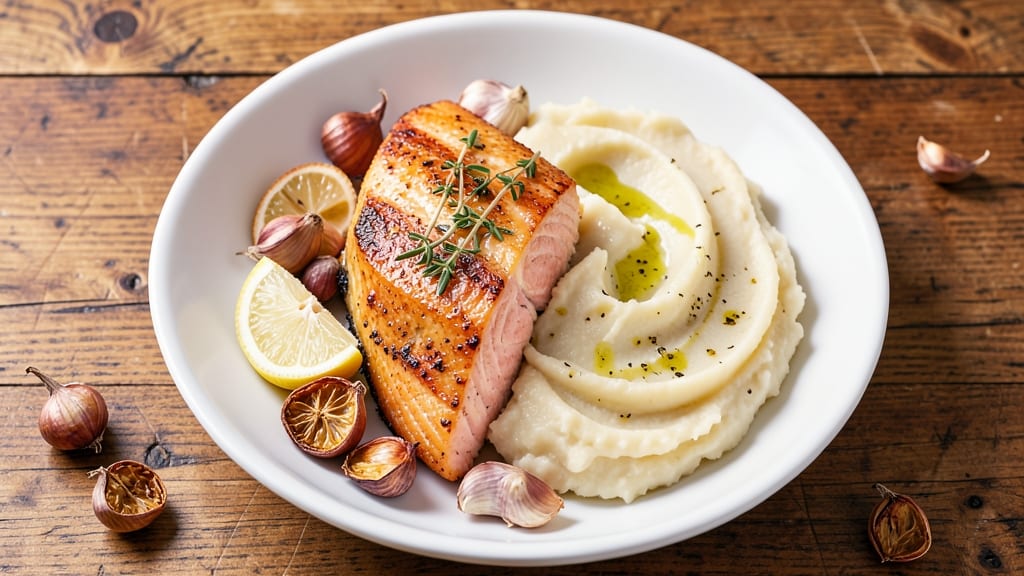
This salmon and mashed potatoes recipe delivers a perfect balance of rich, flaky fish and velvety roasted potatoes—both cooked to professional standards in your own kitchen.
The secret lies in pan-searing the salmon skin-side down at precisely 375°F for that signature crisp, while the potatoes roast in their skins until tender yet firm. I've perfected this pairing over years of testing, ensuring every bite achieves restaurant-quality texture without the fuss.
The salmon benefits from a simple yet effective seasoning blend—just salt, pepper, and a touch of lemon zest—that enhances its natural richness. Meanwhile, the potatoes get a dry roast with olive oil and garlic, developing deep caramelized edges while staying creamy inside.
This method transforms humble ingredients into a meal that feels indulgent yet straightforward, perfect for weeknight dinners or special occasions.
What you'll end up with is golden, flaky salmon with crisp skin and tender flesh, served alongside perfectly creamy potatoes that hold their shape. The contrast between the delicate fish and hearty potatoes creates a satisfying harmony of textures and flavors.
Garnish with fresh dill or a pat of butter for that final touch of elegance—this is comfort food elevated to its finest form.
This recipe scales beautifully for two or four, and the techniques are foolproof once you understand the key steps. Whether you're feeding a family or treating yourself to a quiet meal, these components come together seamlessly. Let's get started with the full instructions.
Ingredients for salmon and mashed potatoes
Rich salmon with crisp skin and velvety roasted potatoes—just eight quality ingredients for restaurant-quality comfort food.
| Ingredient | Amount | Notes |
|---|---|---|
| Center-Cut Salmon Fillets 🐟 | 2 whole | Skin-on, 6-8 oz each |
| Yukon Gold Potatoes 🥔 | 2 ½ lbs | Unpeeled, cut into 1-inch chunks |
| Extra-Virgin Olive Oil 🫒 | ½ cup | For roasting potatoes |
| Unsalted Butter 🧈 | ½ cup | Cold, cubed for potatoes |
| Garlic Cloves 🧄 | 4 cloves | Smashed, skin-on for roasting |
| Fresh Lemon 🍋 | 1 whole | Zest and juice only |
| Diamond Crystal Kosher Salt 🧂 | 1 ½ tbsp | For seasoning |
| Freshly Ground Black Pepper 🌶️ | 1 tsp | Cracked peppercorns preferred |
| Fresh Dill 🌿 | ¼ cup | Chopped, for garnish |
| Heavy Cream 🥛 | ¼ cup | Full-fat for creaminess |
| Cold Water 💧 | ¼ cup | For potato mash |
| All-Purpose Flour 🌾 | 1 tbsp | For dredging salmon |
| Fresh Thyme Leaves 🌿 | ½ tsp | Dried works at 1/4 amount |
The salmon makes or breaks this dish. Center-cut fillets with skin are non-negotiable—the skin crisps beautifully at 375°F. Most grocery stores carry these, but Whole Foods or local fishmongers often have fresher cuts. Look for fillets with vibrant pink flesh and minimal bruising. The potatoes? Yukon Golds are ideal—they're creamy but hold their shape better than Russets. I usually grab mine from Trader Joe's since they're pre-washed and consistent. For the olive oil, California brands like Corto or Lucini add fruity notes that complement the salmon perfectly.
No fresh dill? Substitute parsley or chives—they won't be identical, but they'll add brightness. Running out of heavy cream? Half-and-half with a splash of milk works in a pinch, though the texture won't be as rich. The flour dredge is optional but creates that golden crust—all-purpose works fine, but breadcrumbs add extra crunch if you're feeling fancy. For the garlic, roasting the smashed cloves with the potatoes intensifies their flavor without needing extra oil. And if you're short on time, microwave the potatoes for 5 minutes before roasting to speed up cooking.
Salmon skin crisps in minutes but stays perfect for 10-15 minutes at room temp. The potatoes? Roast them until caramelized but still firm—about 35-40 minutes at 400°F. Store leftovers separately: salmon reheats best in a 350°F oven for 10 minutes (wrapped in foil), while potatoes can be microwaved with a splash of milk to restore creaminess. Both keep 3-4 days in the fridge. I always make extra potatoes—they reheat beautifully for lunches, while the salmon is best enjoyed fresh.
Why You'll Love This Recipe
- One-Pan Magic: I swear by this when I’m too tired to scrub pots—just roast the salmon and potatoes together on a sheet pan. The garlic cloves sizzle right into the butter, and the salmon flakes apart like it’s been brined for days, even though it’s basically hands-off.
- Rich, Simple Luxury: That first bite of buttery Yukon Golds with crispy edges? Then the salmon—juicy, not dry, thanks to the olive oil and garlic—melts in your mouth. It’s fancy enough for company but feels like a hug on a Tuesday.
- Weeknight Workhorse: I make this for date nights, lazy Sundays, or when my college-aged kids show up unannounced. The leftovers reheat perfectly (yes, even the mashed potatoes stay creamy), and it’s the kind of dish that makes people ask, “What’s for dinner?” before I even answer.
- Budget-Friendly Protein: Salmon fillets might sound pricey, but center-cut means less waste, and Yukon Golds stretch further than fancy potatoes. A single pan, minimal ingredients, and no takeout—this feeds four for under $25 and still feels like a splurge.
Step-by-step instructions for salmon and mashed potatoes
Here's how to nail both components simultaneously—crispy salmon and velvety potatoes without cross-contamination.
Prep and Roast the Potatoes
Preheat your oven to 425°F. While it heats, cut the 2.5 lbs Yukon Gold Potatoes into 1-inch chunks, leaving the skin on for texture. Toss them in a large bowl with 0.5 cup Extra-Virgin Olive Oil, 1.5 tbsp Diamond Crystal Kosher Salt, 1 tsp Freshly Ground Black Pepper, and 0.5 tsp Fresh Thyme Leaves. Spread them on two rimmed baking sheets in a single layer—don't crowd them or they'll steam instead of crisp.
Roast for 30 minutes, then flip the potatoes and add the 4 smashed Garlic Cloves and 0.5 cup Unsalted Butter (cubed). Return to the oven for another 20-25 minutes until golden brown and fork-tender. The butter should melt into a glossy finish—this is your signal they're ready. Keep them warm while you cook the salmon.
Season and Dredge the Salmon
While the potatoes roast, pat the 2 whole Center-Cut Salmon Fillets completely dry with paper towels—this ensures maximum crispiness. Place them skin-side down on a plate and season generously with Diamond Crystal Kosher Salt and Freshly Ground Black Pepper. Let them sit at room temperature for 10 minutes to ensure even cooking.
In a shallow dish, combine 1 tbsp All-Purpose Flour with a pinch of salt and pepper. Lightly dredge each salmon fillet, pressing the flour mixture into the flesh to create a delicate crust. Tap off any excess—this prevents a gummy texture. I like to do this step right before cooking to maintain the flour's freshness.
Pan-Sear the Salmon to Perfection
Heat a large skillet over medium-high heat until very hot—you should see a slight shimmer when you add the salmon. Add the fillets skin-side down and let them sear undisturbed for 4-5 minutes. The skin should turn deep golden brown and crisp up beautifully. If it releases easily from the pan, it's ready to flip.
Carefully flip the salmon and cook for another 3-4 minutes until the center reaches 130°F for medium doneness. The flesh should look opaque throughout with just a hint of pink in the center. Remove from the pan and set aside on a warm plate. The residual heat will finish cooking it slightly—this resting period is crucial for juiciness.
Make the Creamy Mashed Potatoes
Return the roasted potatoes to the oven on low heat (around 200°F) to keep them warm while you mash. In a saucepan, combine the 0.25 cup Heavy Cream and 0.25 cup Cold Water and bring just to a simmer. Drain any excess liquid from the potatoes if needed.
Using a potato masher or ricer, break down the warm potatoes into the saucepan with the cream and water. Stir gently until smooth and creamy—you want a texture that clings to the back of a spoon without being gluey. If it's too thick, add 1 tablespoon of milk (though we're not using milk here, the cream and water combo works perfectly). Season to taste with more salt if needed.
Plate and Garnish for Restaurant Quality
Slice the salmon fillets diagonally for elegant presentation. Spoon the creamy mashed potatoes alongside, creating a beautiful contrast with the crispy salmon skin. Drizzle with zest and juice from the 1 whole Fresh Lemon and sprinkle with 0.25 cup Fresh Dill for a pop of color and brightness.
Serve immediately while the salmon is still warm and the potatoes are creamy. The acidity from the lemon cuts through the richness of the butter and salmon, balancing each bite perfectly. This dish comes together in one pan and one pot, making it efficient without sacrificing restaurant-quality results.
Pro Tips For Making Salmon And Mashed Potatoes
- CRISP THE SKIN FIRST: Pat the salmon fillets bone-dry with paper towels, then rub them with a pinch of salt and let sit uncovered for 10 minutes. This isn’t just about flavor—it’s how you get that perfect crust without burning the edges. (Yes, even if you’re impatient like me, resist the urge to skip this.)
- PEEL POTATOES AFTER BOILING: I used to peel Yukon Golds raw, but they oxidize fast and turn gummy when mashed. Instead, boil them whole with skin on, then peel right out of the pot—skin slips off like butter. No more sticky, gluey mash.
- LOW-AND-SLOW GARLIC: Sauté minced garlic in olive oil until it’s just golden, not browned—about 2 minutes max. If it burns, it’ll taste bitter and overpower the salmon. (Pro move: Smash the cloves with the flat of your knife first for even cooking.)
- SALMON REST TIME MATTERS: Pull the salmon from heat when the center hits 125°F—it’ll climb to 130°F while resting. Tent it with foil and let sit 5-10 minutes. Cutting into it too soon turns flaky salmon into sad, dry crumbles. (Your future self will thank you.)
Troubleshooting this dish
Salmon Overcooking
The most common mistake is cooking salmon past its ideal doneness. Salmon is best served at 125-130°F internal temperature for medium-rare, where it remains tender and flaky. Using an instant-read thermometer like the ThermoWorks Dot ensures accuracy.
I've ruined salmon by flipping too early—wait until the skin is deep golden brown and releases easily from the pan before flipping. 🌡️
Potatoes Too Dry
If your mashed potatoes turn out dry or gluey, it’s usually from overworking or incorrect liquid ratios. The secret is using equal parts heavy cream and cold water (¼ cup each) for every 2 lbs of potatoes.
I always mash the potatoes directly in the saucepan with the cream mixture to retain moisture. For extra insurance, cover the potatoes with foil while roasting to prevent excessive drying. ❄️
Skin Not Crispy
Salmon skin stays tender when it’s not properly dried or the pan isn’t hot enough. Pat the fillets completely dry with paper towels before seasoning, and let them sit at room temperature for 10 minutes.
Heat your skillet over medium-high heat until it’s shimmering—if you add the salmon and it sizzles immediately, you’re golden. A Lodge cast iron skillet is my go-to for even heat distribution. 🔥
Mashed Potatoes Lumpy
Lumpy mashed potatoes happen when you don’t break down the potatoes enough before adding liquid. Use a potato ricer or a fork to mash them thoroughly in the saucepan first. For extra-smooth results, I strain the potatoes through a fine-mesh sieve after mashing.
Adding the cream and water while the potatoes are still hot ensures they absorb the liquid evenly. 💫
Uneven Cooking
If your salmon or potatoes cook unevenly, it’s likely due to overcrowding. For salmon, cook one fillet at a time if your pan isn’t large enough—this ensures even searing. For potatoes, spread them in a single layer on baking sheets so they roast uniformly.
I always use two sheets if needed to avoid stacking. Overcrowding also causes potatoes to steam instead of crisp, so give them space! 🌟
Flavor Imbalance
If the dish tastes bland, it’s often because the potatoes or salmon weren’t seasoned enough. Taste the potatoes before mashing—add extra salt or a pinch of garlic powder if needed. For salmon, don’t skimp on the kosher salt and pepper.
A squeeze of fresh lemon at the end brightens both components. I also keep a small bowl of extra salt nearby to adjust as I go. 💡
Nutrition facts
Frequently asked questions
Can I substitute baked salmon for pan-seared?
Baked salmon works beautifully with this recipe. Simply season your fillets with salt, pepper, and lemon zest, then bake at 400°F for 12-15 minutes (skin-side up) until the internal temperature reaches 130°F. The texture will be slightly less crispy than pan-seared, but the flavor remains rich and buttery. For extra crispiness, broil for 2-3 minutes at the end.
How do I make these mashed potatoes extra creamy?
The secret lies in the liquid ratio and technique. Use equal parts heavy cream and cold water (¼ cup each) for every 2 lbs of potatoes, and mash the potatoes directly in the saucepan with the warm liquid. For ultra-smooth results, strain them through a fine-mesh sieve. Avoid overworking—they'll turn gluey! Also, let the potatoes roast until tender but still slightly firm before mashing.
What's the best way to reheat leftovers?
Reheat salmon and potatoes separately for best results. Wrap the salmon in foil and bake at 350°F for 10 minutes to maintain moisture. For potatoes, microwave with a splash of milk or water (about 1 tablespoon) to restore creaminess. Cover with a damp paper towel to prevent drying. Both keep well for 3-4 days in the fridge—just avoid reheating salmon more than once.
Can I make this dish ahead of time?
Yes! Prep the potatoes and salmon separately up to a day ahead. Roast the potatoes fully, then refrigerate them covered. For the salmon, cook it just until 120°F (medium-rare) and chill. When ready to serve, finish cooking the salmon in a hot pan for 1-2 minutes per side and reheat the potatoes in the oven. This method keeps both components perfectly textured and flavorful.
What are good sides to pair with this?
This dish is already balanced, but you could add a crisp green salad with a citrus vinaigrette to cut through the richness. Steamed asparagus or roasted Brussels sprouts also complement the salmon beautifully. For a heartier meal, serve with crusty bread to soak up any extra butter or lemon juice. The key is keeping sides light so the salmon and potatoes remain the stars.