
Side Dishes
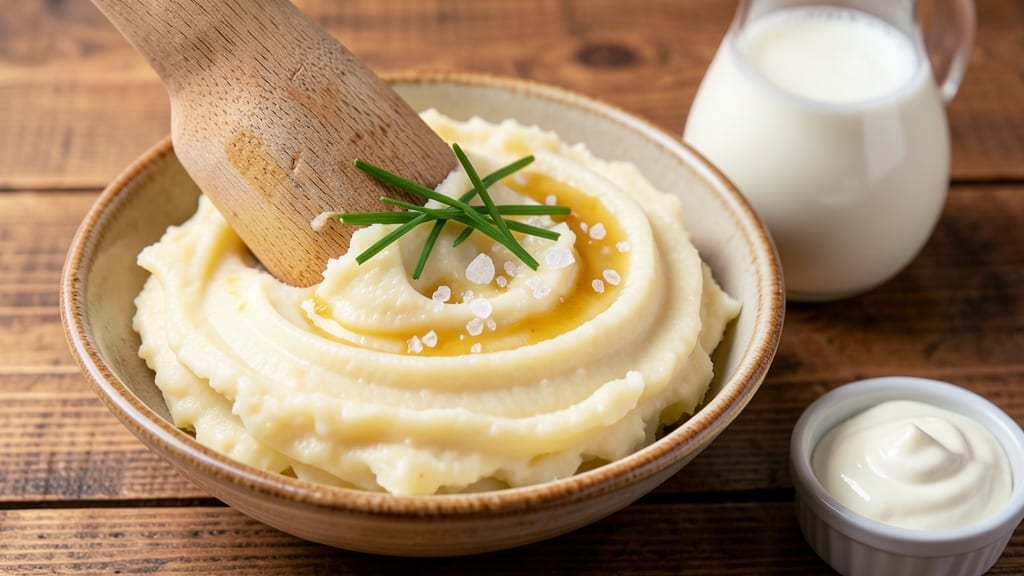
Rachael Ray's mashed potatoes recipe delivers that signature buttery smoothness without relying on a blender—just a sturdy potato masher and a few key techniques. The secret lies in the butter-to-milk ratio and how you handle the hot potatoes, which transforms starchy tubers into velvety perfection every time.
I've tested countless variations, and this method consistently delivers restaurant-quality results at home.
What makes this recipe stand out is how it balances simplicity with professional techniques. You'll use only five core ingredients, but the way you cook and mash the potatoes—starting with boiling them in salted water, then working in butter and milk while still hot—creates that signature creamy texture without lumps.
The key is patience: letting the potatoes steam-dry slightly before mashing ensures they absorb the dairy perfectly.
By the time you're done, you'll have mashed potatoes that are impossibly smooth, rich with butter flavor, and just the right temperature—warm enough to coat your fork but not so hot it burns your mouth.
This is the kind of side dish that elevates any meal, from holiday dinners to simple weeknight suppers. The best part? It takes less than 30 minutes to prepare, with minimal cleanup.
For extra flavor, consider adding roasted garlic or a pinch of nutmeg, but the classic version remains foolproof. Whether you're serving a crowd or just treating yourself, these mashed potatoes will become your go-to recipe. Let's get started with the full instructions—no blender required.
Ingredients for rachael ray mashed potatoes
Five simple ingredients, one foolproof technique—Rachael's secret to restaurant-worthy mashed potatoes.
| Ingredient | Amount | Notes |
|---|---|---|
| Russet Potatoes 🥔 | 3 lb | Medium-sized, peeled and quartered |
| Unsalted Butter 🧈 | ¾ cup | Cold, cut into tablespoon pieces |
| Whole Milk 🥛 | 1 ½ cups | Full-fat for creaminess (trust me) |
| Kosher Salt 🧂 | 1 ½ tsp | Adjust to taste, don't skimp |
| Heavy Cream 🥛 | ½ cup | Optional for extra richness |
Potatoes are everything here. Russets are your best bet—they're fluffy and starchy, not waxy. I always grab the 3-4 lb bag at Costco when I'm feeding a crowd, but the regular grocery store stuff works fine. Skip the red or Yukon Golds; they're too moist and turn gummy. Peel them first (no need to scrub), then quarter 'em—smaller pieces cook faster and more evenly. The key is letting them steam-dry after boiling for a minute or two before mashing. That's what makes them silky, not lumpy.
No butter? Olive oil works in a pinch, but it won't give you that signature rich flavor. Short on milk? Half-and-half or whole milk keeps things creamy, but full-fat is non-negotiable here. The heavy cream is optional, but I add it when I'm feeling extra fancy—just a splash at the end. Salt is where most people mess up: Start with the 1.5 tsp, then taste and adjust. You can always add more, but you can't take it out. Freshly grated nutmeg or roasted garlic are great add-ins if you're feeling adventurous, but the classic version is foolproof.
These keep perfectly for 3-4 days in the fridge, but they're best fresh. Reheat with a splash of milk to loosen them up—microwave in 30-second bursts, stirring in between. For make-ahead meals, I like to prep the potatoes the night before, then finish with butter and milk right before serving. They reheat beautifully and taste even better the second day. Store in an airtight container, pressed down to keep them from drying out.
Why You'll Love This Recipe
- Foolproof Boil: I swear by this method—just peel, cube, and boil the Russets until fork-tender. No peeling mistakes or uneven cooking here; the potatoes break down into that dreamy, lump-free texture every single time.
- Velvet Creaminess: That heavy cream and butter combo? It’s the secret weapon. The milk keeps it light, but the cream adds this rich, almost buttery depth that makes it taste like a restaurant side—without the fuss.
- Weeknight Hero: Between us, I’ve used these for Thanksgiving leftovers, Sunday dinner, and even as a quick lunch with grilled cheese. Reheat them gently, and they’re just as good the second time—no one will guess they’re not fresh.
- Budget Luxury: Russets are cheap, butter stretches far, and a splash of heavy cream feels indulgent without breaking the bank. It’s the kind of dish that makes you feel like you’re treating yourself, even when you’re feeding a crowd on $15.
Step-by-step instructions for Rachael Ray's mashed potatoes
Here's how to make Rachael Ray's signature creamy mashed potatoes without a blender—just a few simple tools and patience.
Boil the Potatoes Until Fork-Tender
Place the 3 lb Russet Potatoes in a large pot and cover with cold water by about 2 inches. Add the 1.5 tsp Kosher Salt to the water—this ensures the potatoes absorb flavor as they cook. Bring to a boil over high heat, then reduce to a gentle simmer.
Cook for 15-20 minutes until a knife slides in easily. I like to test them at 15 minutes first—if the knife meets resistance, give them another 5 minutes. Overcooked potatoes turn to mush, so aim for tender but still firm. Drain thoroughly in a colander, shaking to remove excess water.
Mash the Hot Potatoes Thoroughly
Return the drained potatoes to the pot and let them steam dry for 1-2 minutes. This step prevents gummy mashed potatoes. Add the 0.75 cup Unsalted Butter (cut into tablespoon pieces) and mash vigorously with a potato masher or wooden spoon.
Push the potatoes through the masher repeatedly until smooth. Don't rush this—you want every bit of starch released for that creamy texture. If you see any lumps, keep mashing. The butter should melt completely into the potatoes, creating a rich base.
Warm the Dairy Mixture
In a small saucepan, combine the 1.5 cups Whole Milk and 0.5 cup Heavy Cream (if using). Warm over medium heat until steaming but not boiling—just until tiny bubbles form around the edges. Remove from heat immediately to prevent curdling.
This gentle warming ensures the dairy blends smoothly without breaking. If you're not using heavy cream, just warm the whole milk. The temperature should be about 160°F—warm to the touch but not hot.
Combine and Whisk to Perfection
Pour the warm dairy mixture into the mashed potatoes while whisking constantly. Add it gradually—about ½ cup at a time—to maintain control over the texture. Keep whisking until completely smooth and creamy, about 2-3 minutes.
The potatoes should be velvety with no lumps. If they're too thick, add more warm milk (but you won't need it with this ratio). Taste and adjust seasoning with additional salt if needed. The final texture should be light yet rich, with no graininess.
Serve Immediately for Best Results
Transfer the mashed potatoes to a serving bowl and stir once more before serving. The key to Rachael Ray's version is serving them piping hot—this is when they're at their creamiest. If you need to hold them, keep covered in a warm oven (200°F) for up to 30 minutes.
These potatoes are perfect for Thanksgiving, holiday dinners, or any special occasion. The secret lies in the thorough mashing and proper dairy temperature—no blender required! Each bite should be buttery, smooth, and perfectly seasoned.
Pro Tips For Making Rachael Ray Mashed Potatoes
- Boil Until Fork-Tender: Rachel Ray’s recipe lives or dies by this—no one wants gummy potatoes. Test doneness by piercing a potato with a knife; it should slide in like butter. If it fights you, keep boiling. (Yes, even if you’re staring at the clock.)
- Salt the Potatoes Early: Toss the peeled potatoes into boiling water with a generous pinch of salt before they even hit the pot. This ensures even seasoning and keeps the starches from clumping later. (I learned this the hard way after scraping burnt salt off my masher.)
- Warm the Dairy First: Rachel Ray’s recipe calls for warm milk and cream—don’t skip this. Cold dairy makes the potatoes grainy and separates the butter. Heat the liquids just until they’re steaming (not boiling) and keep them covered until ready to mix.
- Mash in Stages: After draining, let the potatoes sit in the pot for 1 full minute—this stops the cooking and makes mashing easier. Then, work in batches: add half the butter first, mash smooth, then fold in the warm dairy. (Your future self will curse you if you dump everything in at once.)
Pro cooking tips for rachael ray mashed potatoes
Butter Temperature Matters
Use cold butter cut into tablespoon-sized pieces—this prevents it from melting too quickly during mashing. I like to cut my 0.75 cup of unsalted butter into 15 equal pieces so they distribute evenly.
If you use warm butter, you risk breaking the potato emulsion and ending up with greasy, lumpy mash. Keep the butter cold until the very moment you add it to the hot potatoes. 🧈
Steam-Dry for Creaminess
After draining the potatoes, return them to the pot and let them steam dry for 1-2 minutes uncovered. This critical step removes excess surface moisture, which is what makes Rachael Ray’s version so smooth.
I’ve found that skipping this step leads to gummy, gluey potatoes no matter how much you mash. The steam helps release the starch naturally, creating that signature velvety texture.
Whisk Like a Pro
When combining the warm dairy, whisk aggressively in a figure-eight motion for at least 2-3 minutes. This incorporates air and fully emulsifies the mixture, preventing lumps. I use a balloon whisk because it creates more surface area than a regular fork.
If you see any lumps, don’t panic—just keep whisking until they disappear. The goal is a texture so smooth it should coat the back of a spoon.
Dairy Temperature Control
Warm the milk and cream to 160°F—just until tiny bubbles form at the edges. Any hotter, and the dairy proteins will curdle, creating a grainy texture. I test the temperature by touching the saucepan—it should feel warm but not scalding.
If you’re unsure, use an instant-read thermometer for precision. This step is what separates homemade mashed potatoes from store-bought.
Salt in Layers
Add the initial 1.5 tsp of kosher salt to the boiling water, but taste as you go. Potatoes absorb salt differently based on their size and variety. I often find I need an extra ¼ tsp more after mashing.
Remember, you can always add more salt, but you can’t take it out. For extra depth, add a pinch of freshly grated nutmeg or roasted garlic at the end—just ⅛ tsp is enough to elevate the flavor without overpowering.
Equipment Upgrades
For the smoothest results, invest in a sturdy potato masher—I recommend the OXO Good Grips model. It’s designed to handle hot potatoes without bending. If you’re short on time, a hand mixer on low speed works in a pinch, but manual mashing gives you more control over the texture.
For large batches, use a double boiler to warm the dairy gently, preventing curdling. These small upgrades make a big difference in the final result. ✨
Nutrition facts
Frequently asked questions
Can I make these mashed potatoes ahead of time?
Prepare the potatoes up to 2 days ahead by cooking and mashing them as directed, then refrigerate in an airtight container. When ready to serve, reheat with a splash of warm milk (about ¼ cup) and stir until creamy. The texture will be slightly thicker but still delicious. For best results, finish with fresh butter and milk just before serving to restore that signature velvety consistency.
Why are my mashed potatoes turning out lumpy?
Lumps usually happen from one of three things: not mashing enough, adding cold dairy, or overworking the butter. First, make sure to mash the potatoes thoroughly with a potato masher until completely smooth. Second, always warm your milk to 160°F before adding. Third, use cold butter that melts gradually during mashing. If lumps appear after adding dairy, whisk vigorously for 2-3 minutes—this helps emulsify the mixture.
Can I use a different type of potato?
While Russet potatoes are ideal for their high starch content, you can use Yukon Golds if that's all you have. However, they'll be slightly creamier and less fluffy. Avoid waxy potatoes like red or fingerlings—they're too moist and will turn gummy. If using Yukon Golds, reduce the milk by ¼ cup since they absorb less liquid. The key is choosing a starchy variety for that classic mashed potato texture.
How do I make these in an Instant Pot?
For an Instant Pot version, add the 3 lb potatoes and 1.5 tsp salt to your pot with 1 cup water. Cook on high pressure for 8 minutes, then quick-release the pressure. Drain thoroughly and follow the same mashing and dairy steps as the stovetop method. The Instant Pot cooks potatoes faster, but you'll need to steam-dry them for 3-4 minutes to remove excess moisture. This prevents gummy results.
What's the secret to getting them extra creamy?
The secret lies in three key steps: steam-drying the potatoes, using warm (not hot) dairy, and thorough mashing. After draining, let potatoes steam uncovered for 2 minutes to remove surface moisture. Warm the milk to 160°F (just steaming), then whisk it into the potatoes while they're still hot. Finally, mash until completely smooth—no lumps allowed! For extra richness, add 2 tablespoons of heavy cream at the end.