
Side Dishes
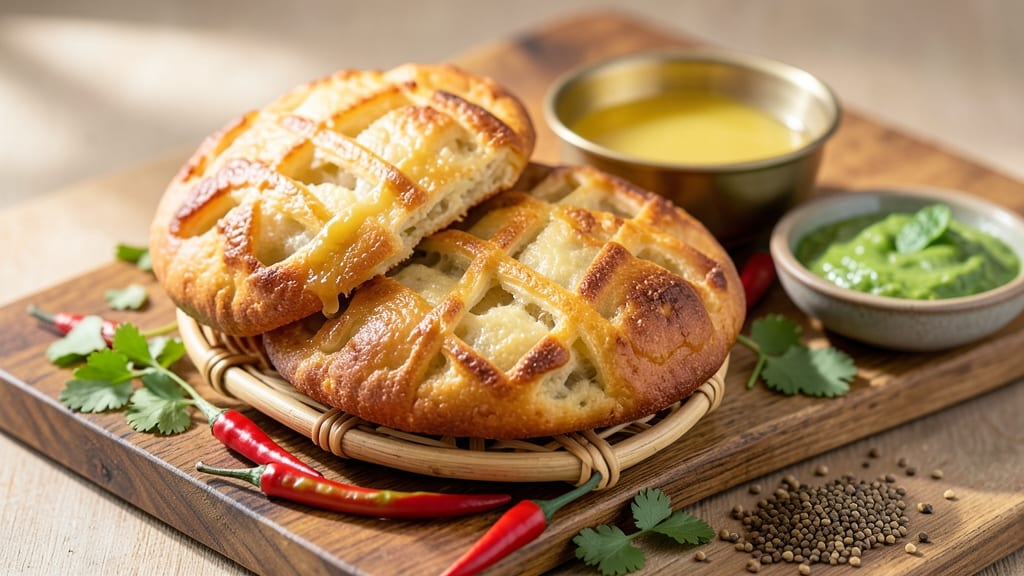
This potato poori recipe delivers the perfect balance of fluffy layers and crispy edges—a classic Indian street food staple that’s surprisingly simple to master at home.
The secret lies in the spiced potato filling and the right frying technique, which transforms simple ingredients into golden, pillowy pancakes that shatter at the touch. I’ve perfected this version over countless batches, ensuring every bite achieves that signature contrast between tender inside and crispy exterior.
The process begins with boiling and mashing potatoes until they’re smooth but not gluey, then mixing them with spices like cumin, coriander, and a touch of green chili for that authentic kick.
The dough is rolled thin and fried in ghee or oil until puffed and golden—crispy on the outside, soft and airy within. This isn’t just a side dish; it’s a centerpiece that pairs beautifully with mint chutney, tamarind sauce, or even a dollop of yogurt for dipping.
What sets this recipe apart is the foolproof method for achieving consistent puffs and even browning, even for beginners. The key steps—like resting the dough and controlling the heat—ensure every poori turns out perfectly every time.
Once you try these, store-bought versions will never compare again. Ready to bring a taste of India to your kitchen?
Serve these warm with your favorite chutney or as part of a larger meal, and you’ll have a dish that’s as satisfying as it is impressive. The aroma alone will draw everyone to the table—crispy, fragrant, and impossible to resist. Let’s get cooking!
Ingredients for potato poori
Simple ingredients transform into golden, crispy poori with fluffy layers—just 12 staples for perfect results.
| Ingredient | Amount | Notes |
|---|---|---|
| Russet Potatoes 🥔 | 2 lbs | Boiled until tender, peeled, mashed smooth |
| All-Purpose Flour 🌾 | 3 cups | For dough, plus extra for dusting |
| Ghee or Vegetable Oil 🫒 | 1 ½ cups | For frying, ghee adds authentic flavor |
| Ground Cumin Seeds 🌿 | 1 tbsp | Toasted lightly for deeper aroma |
| Ground Coriander 🌿 | 1 tbsp | Freshly ground preferred |
| Green Chili Powder 🌶️ | 1 tsp | Adjust for spice preference |
| Salt 🧂 | 1 tsp | Kosher or sea salt preferred |
| Baking Soda 🧪 | ¼ tsp | For fluffiness, essential for texture |
| Water 💧 | ½ cup | Room temperature for dough |
| Fresh Cilantro 🌿 | ¼ cup | Chopped, for garnish (optional) |
| Lemon Juice 🍋 | 1 tbsp | Freshly squeezed, for brightness |
| Mint Leaves 🍃 | 0.1 cup | Chopped, for optional garnish |
The potatoes are the foundation—Russet potatoes yield the smoothest mash. Whole Foods or Trader Joe's carry reliable organic options, but any russet works. Boil them until fork-tender, then mash until completely smooth, with no lumps. The ghee matters here: store-bought ghee from Indian markets has the best flavor, but vegetable oil works in a pinch. Toast the cumin seeds in a dry pan for 30 seconds before grinding—they’ll release their aroma, making the filling aromatic. For the flour, King Arthur brand is ideal for its light texture, but any all-purpose flour will do.
No cumin seeds? Ground cumin at double the amount works, but the toasted seeds add depth. Fresh cilantro and mint are optional but elevate the dish—dried herbs at half the amount can substitute if needed. The baking soda is non-negotiable for the signature fluffiness; don’t skip it. For extra crispiness, heat the ghee to 350°F before frying, and ensure the dough is rolled thin—about 1/8-inch thick. If the dough feels sticky, add a splash more flour, but don’t overdo it or the poori will turn dense. The lemon juice brightens the flavor, so use freshly squeezed for the best results.
The dough keeps for 2 days in the fridge, covered with a damp cloth to prevent drying. For best results, fry immediately, but you can refrigerate the dough and roll as needed. Poori reheats beautifully in a 350°F oven for 5 minutes—just brush with a little ghee to restore crispiness. Store leftovers in an airtight container, but they’re best enjoyed fresh. This recipe makes about 12 poori, perfect for sharing or freezing portions for later. Freeze fried poori on a wire rack to prevent sogginess, then reheat in the oven.
Why You'll Love This Recipe
- No Fuss, Big Payoff: I swear by this recipe because it’s the kind of thing you can make while scrolling through your phone—just mash potatoes, mix in flour and spices, and let the magic happen in the pan. The dough comes together faster than you can say "second breakfast," and honestly? That’s my kind of cooking.
- Crispy-Creamy Magic: The secret’s in the ghee—those golden-brown edges with a pillowy center? It’s like a hug for your taste buds. The cumin and coriander ground into the dough give it this warm, earthy kick that makes every bite feel like a little victory.
- Weeknight to Party Star: I keep this in my back pocket for lazy Sundays and when unexpected guests show up. Serve them plain with mint chutney for a quick snack, or pile them high with spiced potatoes and yogurt for a full-on feast. It’s the chameleon of recipes.
- Pantry Hero, Wallet-Friendly: Russet potatoes and flour? You already have them. A little ghee or oil, some basic spices, and boom—you’ve got a dish that feeds four for under $5. Leftovers? Reheat them in a dry pan for that same crispy crunch, or freeze the dough for a last-minute fix. Zero waste, all win.
Step-by-step instructions for potato poori recipe
Master the art of perfect poori with these precise steps for fluffy layers and golden-brown edges.
Prepare the Potato Filling
Begin by boiling the 2 lbs russet potatoes in their skins until fork-tender, which should take about 20-25 minutes. Drain immediately and let them cool slightly before peeling. Once peeled, mash them thoroughly until completely smooth—no lumps should remain. This ensures even texture in your poori.
Transfer the mashed potatoes to a large mixing bowl. Add the 1 tbsp ground cumin seeds, 1 tbsp ground coriander, 1 tsp green chili powder, 1 tsp salt, and 0.25 tsp baking soda. Mix well to combine all spices evenly. The baking soda is crucial here—it reacts with the potatoes to create that signature fluffiness. Let the mixture sit for 5 minutes to allow the spices to meld.
Form and Rest the Dough
Gradually add the 3 cups all-purpose flour to the spiced potato mixture while stirring continuously. The dough will be slightly sticky, so don't worry if it doesn't come together immediately. Slowly incorporate the 0.5 cup room-temperature water until a soft, pliable dough forms. Knead for 5-7 minutes until smooth and elastic. If it feels too dry, add 1 teaspoon water at a time; if too sticky, add 1 tablespoon flour.
Shape the dough into a ball, cover it tightly with a damp cloth, and let it rest for 30 minutes. This resting period allows the gluten to relax, making the dough easier to roll out later. I like to place it in a warm spot—this helps the dough become more pliable and prevents cracking when rolling.
Roll and Fry the Pooris
Divide the rested dough into 6 equal portions and roll each into a smooth ball. On a lightly floured surface, roll one ball at a time into a 6-inch circle about ⅛-inch thick. Keep the remaining balls covered to prevent drying. The key to perfect poori is even thickness—if one side is thinner, the poori will puff unevenly.
Heat 1.5 cups ghee or vegetable oil in a deep, heavy-bottomed pan over medium heat. You'll know it's ready when a drop of water sizzles and dances around the pan. Carefully slide one rolled poori into the oil—it should sizzle gently. Cover immediately and cook for 2-3 minutes until the edges turn golden brown and the poori puffs up dramatically. Use a slotted spoon to flip and cook the other side for another 2-3 minutes until evenly browned.
Finish and Serve
Drain the fried poori on paper towels to remove excess oil. While still warm, brush the top with 1 tbsp lemon juice for a tangy brightness. Garnish with 0.25 cup chopped fresh cilantro and 0.1 cup chopped mint leaves for freshness. The lemon juice not only adds flavor but also helps set the garnish so it stays in place.
Serve immediately while the poori is crispy outside and fluffy inside. For extra indulgence, pair with mint chutney or tamarind sauce. The contrast of crispy edges and soft, pillowy centers makes every bite satisfying. If making ahead, keep them warm in a 200°F oven for up to 15 minutes—but they're best enjoyed fresh from the fryer.
Pro Tips For Making Potato Poori
- Boil Potatoes Until Fork-Tender: Russets stay dense if you rush them—boil until a knife slips in like butter. Overcooked mash is a poori killer, but mushy potatoes make dough that tears when shaping. Test at 15 minutes, then adjust in 2-minute bursts.
- Grate Potatoes Dry: Squeeze out every last drop of moisture with a clean kitchen towel or cheesecloth. Wet dough sticks to your hands and burns unevenly. I learned this the hard way when my first batch stuck to the pan like glue.
- Rest Dough 20 Minutes: Skip this, and your poori will puff unevenly or crack. The flour needs time to hydrate fully—even if you’re impatient (yes, even if you’re impatient like me). Cover with a damp cloth to keep it from drying out.
- Use Ghee for Crisp: Vegetable oil works, but ghee gives that golden, caramelized crust we all crave. Heat it until it shimmers—just before it starts to smoke—and pour enough to coat the pan’s bottom. No need for a ton; 2 tablespoons is plenty.
Regional styles of potato poori
North Indian Style
In North India, potato poori is often made with a slightly firmer dough and a higher proportion of ghee for extra richness. I like to add ½ tsp garam masala to the potato filling for a warm, aromatic depth that’s common in Delhi and Punjab.
The dough is rolled slightly thicker—about ⅛-inch to ¼-inch—to create a heartier texture. Fry in pure ghee until deep golden brown, then serve with yogurt-based raita or spicy tamarind chutney for dipping. 💛
South Indian Twist
South Indian versions often incorporate coconut milk into the potato filling, giving the poori a subtly sweet and fragrant profile. I blend ¼ cup coconut milk with the mashed potatoes and spices, then add 1 tsp grated coconut to the dough.
The result is a lighter, almost flaky texture when fried. Serve with coconut chutney or a side of sambar for a complete South Indian meal.
Maharashtrian Methi Poori
In Maharashtra, potato poori is often elevated with fresh fenugreek leaves (methi), which add a unique bitterness and earthiness. I finely chop ½ cup methi leaves and mix them into the potato filling along with the spices.
The dough is rolled slightly thinner than North Indian versions, and the poori is fried in mustard oil for an authentic flavor. Garnish with extra methi leaves and serve with green chutney for a true Maharashtrian touch.
Bengali Potato Puri
Bengali-style poori often includes mustard oil and a pinch of asafoetida (hing) for a distinct aroma. I blend 1 tsp hing into the potato filling and fry the poori in mustard oil until crispy.
The dough is rolled into slightly smaller circles—about 5-inch diameter—and the poori is often served with litti chokha (boiled potato and lentil mash) or alur dom for a hearty meal. The mustard oil adds a pungent kick that pairs perfectly with the soft potato filling.
Gujarati Spiced Version
Gujarati poori often features a blend of dhana jeera (cumin-coriander powder) and a touch of turmeric for color. I mix 1 tsp turmeric and 1 tbsp dhana jeera into the potato filling, then roll the dough into slightly thicker circles.
Fry in ghee until golden and serve with undhiyu (a mixed vegetable curry) or dhokla. The turmeric gives the poori a vibrant hue and complements the rich flavors of Gujarati cuisine.
Nutrition facts
Frequently asked questions about potato poori
Why does my potato poori turn out dense instead of fluffy?
The texture depends on two key factors: the baking soda and dough resting time. Omit or under-measure the baking soda? That's your fluffiness killer—it reacts with the potatoes to create air pockets. Also, skip the 30-minute dough rest, and the gluten won't relax properly, leading to dense results. Let the dough rest in a warm place and ensure your baking soda is fresh (old baking soda loses potency).
Can I make potato poori ahead of time?
Fresh is best, but you can prep components in advance. The dough keeps for 2 days in the fridge, covered with a damp cloth. For fried poori, store them in an airtight container for up to 3 days—reheat in a 350°F oven for 5 minutes with a ghee brush to restore crispiness. Freeze fried poori on a wire rack to prevent sogginess, then reheat in the oven.
What's the secret to getting even puffs every time?
Consistency is key! Roll all poori to the same thickness (⅛-inch) and maintain medium heat in your oil (it should sizzle gently when you add the poori). Cover immediately after adding to trap steam—this creates the puff. Use a heavy-bottomed pan to distribute heat evenly, and avoid overcrowding the pan. The dough must be at room temperature before rolling.
Can I make potato poori without ghee?
Yes, but flavor will differ. Vegetable oil or coconut oil work well for frying—just ensure it's heated to 350°F. For authentic taste, use clarified butter (ghee) if possible. The oil won't replicate ghee's rich aroma, but it'll still give you crispy, fluffy poori. For extra flavor, add ½ tsp garam masala to the potato filling when using oil.
How do I adjust this recipe for gluten-free poori?
Replace the all-purpose flour with a 1:1 gluten-free flour blend (like Bob's Red Mill). Add ½ tsp xanthan gum to improve elasticity. The dough will be stickier, so work quickly when rolling. For extra crispiness, brush the fried poori with melted ghee or oil while hot. Note that gluten-free versions may puff slightly less—focus on even thickness and high heat for best results.