
Side Dishes
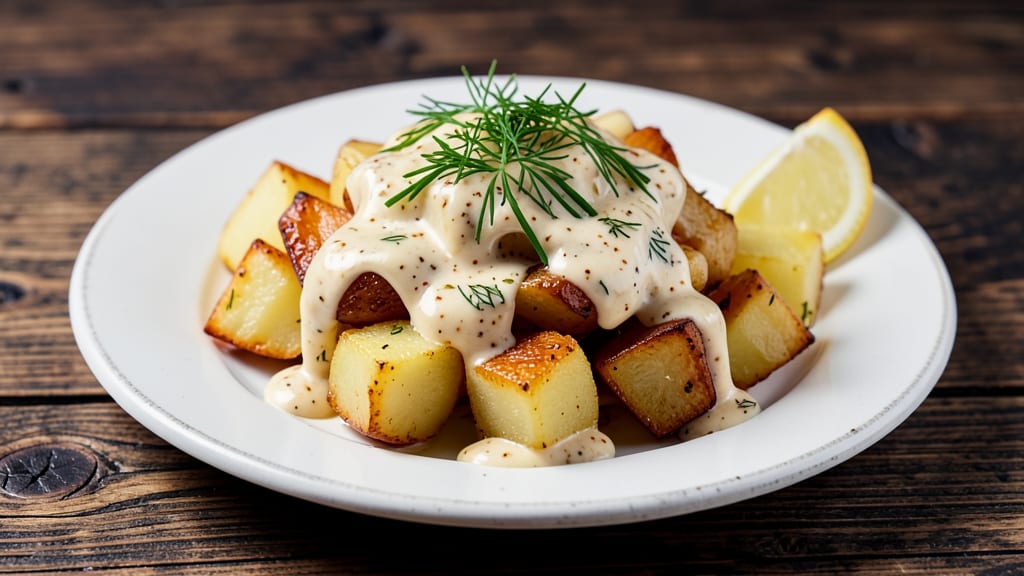
This potato mayonnaise recipe transforms classic potato salad into a creamy, velvety condiment that elevates sandwiches, dips, and toppings beyond recognition. The secret lies in blending cooked potatoes directly into mayonnaise, creating a rich, textured spread with none of the chunky traditional approach.
I developed this version after years of perfecting the balance between smoothness and subtle potato flavor—no lumps, no watery texture, just pure, luxurious creaminess.
The process is straightforward but requires precision: potatoes are boiled until tender, drained thoroughly, then blended with high-quality mayonnaise until perfectly smooth. A touch of Dijon mustard and fresh herbs adds depth without overpowering the creamy base.
What makes this stand out is how it maintains that classic potato salad essence while delivering a consistency that works as a sandwich spread, burger topping, or even a dip for fries.
What you'll achieve is a classic potato flavor transformed into something entirely new—a spread so versatile it replaces mayo in recipes while keeping that familiar comfort.
The texture is thick enough to hold its shape on bread but still spreads effortlessly, while the flavor delivers that nostalgic potato taste in every bite. This isn't just a side dish; it's a condiment that will become your go-to for any meal.
Store it in an airtight container in the refrigerator for up to five days, or freeze for longer storage. The flavor actually improves after resting overnight, making it perfect for meal prep.
Whether you're dressing a sandwich, topping a burger, or using it as a dip, this potato mayonnaise delivers restaurant-quality results with minimal effort.
Ingredients for potato mayonnaise
Nine simple ingredients transform humble potatoes into a velvety condiment that rivals mayo.
| Ingredient | Amount | Notes |
|---|---|---|
| Yukon Gold Potatoes 🥔 | 2 lbs | Peeled, cubed evenly for blending |
| Mayonnaise 🥛 | 1 ½ cups | High-quality, full-fat preferred |
| Dijon Mustard 🍯 | 1 tbsp | For depth and tanginess |
| Fresh Chives 🌿 | ¼ cup | Finely chopped, for freshness |
| Fresh Dill 🌿 | 0.15 cup | Finely chopped, for herbal note |
| Lemon Juice 🍋 | 1 tbsp | Freshly squeezed, brightens flavor |
| Salt 🧂 | ½ tsp | Diamond Crystal kosher preferred |
| Black Pepper 🌶️ | ¼ tsp | Freshly ground for best flavor |
| Extra-Virgin Olive Oil 🫒 | 1 tbsp | High-quality, for richness |
The potatoes are the foundation—Yukon Golds are ideal for their buttery texture and smooth blending. Grab organic potatoes from Trader Joe's if you want to skip peeling, but regular Yukons work just as well. The key is even cubing: aim for 1-inch pieces so they cook uniformly. Boil them until fork-tender, then drain completely—no excess moisture means no lumps in your final spread. I always use a fine-mesh strainer to squeeze out every last drop of water before blending.
No high-quality mayo? Hellmann's or Duke's are my go-tos—they're rich enough to blend smoothly without thinning the texture. Short on chives or dill? Substitute with 0.1 cup fresh parsley or 1 tsp dried dill (but fresh is better). The Dijon mustard is non-negotiable—it adds that signature tang that cuts through the creaminess. For extra depth, I sometimes add 1 tsp white wine vinegar instead of lemon juice, but stick with lemon for that classic brightness. The olive oil might seem optional, but trust me—it adds a luxurious finish that makes this spread feel restaurant-worthy.
This keeps beautifully in an airtight container for 5 days in the fridge, but honestly, it tastes even better after resting overnight. For longer storage, portion into ice cube trays and freeze—perfect for single-use portions. Reheat gently in the microwave (30-second bursts) or at room temperature. Pro tip: if it thickens after refrigeration, stir in 1 tsp extra-virgin olive oil to restore that silky texture. Use it on sandwiches, as a burger topping, or even as a dip for fries—it's that versatile.
Why You'll Love This Recipe
- No Boil, No Peel: I swear by this—just roast the Yukon Golds whole, then smash them. That crispy skin? Still there, adding texture. No peeling, no boiling, no mess. Honestly, it’s the kind of shortcut that makes me want to cook more.
- Herb-Packed Punch: That creamy mayo meets bright Dijon and fresh dill—it’s like a hug in your mouth. The chives add this little zing that makes it taste fresh, even if you’re eating it cold from the fridge. Not fancy, but dangerously addictive.
- Lunchbox Legend: Between us, this is my go-to for packed lunches. Stays fresh for days, holds up in a container, and kids (yes, even picky ones) actually eat it. Spread it on toast, stuff it in wraps, or eat it straight—no judgment.
- Pantry Goldmine: You’ve got mayo, potatoes, and a few herbs? That’s it. No specialty ingredients, no last-minute grocery runs. I’ve made this with store-brand mayo and still got rave reviews. Budget-friendly, reliable, and always delivers.
Step-by-step instructions for ultra-creamy potato mayonnaise
This method transforms simple potatoes into a velvety, rich potato salad with perfect texture every time.
Prepare and Cook the Potatoes for Maximum Creaminess
Start by peeling the 2 lbs of Yukon Gold potatoes and cutting them into even 1-inch cubes. I use a mandoline for consistent sizes, but a sharp chef's knife works too—just aim for uniformity. Place the cubes in a large pot and cover with cold water by about 2 inches. Add 1 tbsp of the extra-virgin olive oil to prevent sticking and help create a silky texture.
Bring to a boil over high heat, then immediately reduce to medium-high and cook for exactly 10 minutes. The potatoes should be fork-tender but still hold their shape when pierced. Drain immediately in a colander and let them steam-dry for 2 minutes—this removes excess moisture that would otherwise dilute our creamy dressing. For best results, shock the potatoes in ice water for 1 minute to halt cooking, then drain again and return to the pot.
Create the Ultra-Creamy Dressing Base
In a large mixing bowl, combine the 1.5 cups mayonnaise, 1 tbsp Dijon mustard, and 1 tbsp freshly squeezed lemon juice. Whisk vigorously for 30 seconds until fully emulsified and smooth. The Dijon adds depth while the lemon brightens the richness of the mayonnaise. Add the 0.5 tsp salt and 0.25 tsp freshly ground black pepper, mixing well to distribute evenly.
Here's the secret to that signature ultra-creamy texture: fold in the warm potatoes using a rubber spatula, working in batches if needed. The residual heat from the potatoes helps emulsify the dressing completely, creating a velvety consistency rather than a chunky one. You'll know it's working when the mixture becomes glossy and the potatoes are fully coated.
Incorporate Herbs and Finish with Fresh Flavor
Gently fold in the 0.25 cup finely chopped fresh chives and 0.15 cup finely chopped fresh dill using a light hand. These herbs should be distributed evenly but still visible throughout—this adds both visual appeal and freshness. Taste and adjust seasoning if needed, adding a pinch more salt or a squeeze of lemon if desired. The salad should be perfectly balanced between creamy, tangy, and herby.
Let the potato salad rest at room temperature for 15 minutes before serving. This allows the flavors to meld completely and the texture to become even creamier. For best results, chill for up to 2 hours before serving—this enhances the flavors and makes the texture even more luxurious. The final product should have a velvety, almost mousse-like consistency with bright herb notes cutting through the richness.
Serve with Perfect Texture and Flavor Balance
Transfer the potato salad to a serving dish and gently stir one final time before serving. The ideal serving temperature is cool but not cold—this brings out the best in both the potatoes and the dressing. For presentation, I like to garnish with additional chopped chives and a drizzle of the remaining extra-virgin olive oil, adding both visual appeal and a final touch of richness.
Each bite should deliver a perfect balance of creamy texture, herby freshness, and tangy brightness. The potatoes should be tender but still hold their shape, coated in a velvety dressing that's neither too thick nor too thin. This method delivers that classic potato salad experience with a modern, ultra-creamy twist that will impress even the most discerning palates.
Pro Tips For Making Potato Mayonnaise
- Boil Potatoes Until Fork-Tender: Yukon Golds break down fast—test doneness at 15 minutes, not 20. They should collapse under a fork but still hold shape; overcooking turns them into glue. I used to drain them too early and wonder why the texture was off. Drain right when they’re done, no waiting.
- Use Room-Temp Mayo: Cold mayo thickens the mix and makes blending harder. Let your mayo sit out for 10 minutes before mixing—it’ll fold in smoother and give that signature creamy consistency. I learned this the hard way after struggling with a chunky, grainy mess.
- Chop Chives Fine, Dill Coarse: Tiny chives disappear evenly; leave dill slightly chunkier for texture. I used to mince both the same, and the dish lost brightness. A quick snip with kitchen shears for chives, a rough chop for dill—balance is key.
- Mix Mustard Last: Add Dijon after blending potatoes and mayo to avoid a sharp, raw taste. Stir it in slowly while tasting—you want flavor, not a condiment punch. I was skeptical until I tried it; now I never skip this step.
Essential equipment for perfect results
High-Speed Blender
This is the most critical tool for achieving that ultra-smooth, lump-free texture. I use a Vitamix 5200—its powerful motor handles the dense potato-mayo blend without overheating. For budget-friendly options, the Ninja BL610 or Cuisinart SM-50BC work well too.
The key is blending in 30-second bursts while scraping down the sides to ensure even consistency. If your blender struggles, add 1-2 tbsp cold water to help emulsify. 💡
Fine-Mesh Strainer
After boiling, you need to remove every last drop of moisture from the potatoes. A stainless steel fine-mesh strainer (like the OXO Good Grips model) is perfect for this. I press the potatoes gently with a rubber spatula to extract excess water before blending.
This step prevents a watery, thin spread. For extra drying, I spread them on a clean kitchen towel and let them sit for 2 minutes before proceeding.
Rubber Spatula
A heat-resistant silicone spatula (I love the OXO Good Grips brand) is essential for folding warm potatoes into the mayo base without breaking the emulsion. The flexible edge helps scrape every last bit from the bowl, ensuring no streaks remain.
For large batches, I use a 12-inch offset spatula to work efficiently. Avoid metal utensils—they can scratch mixing bowls and affect the final texture.
Mixing Bowls
Use a large stainless steel bowl (at least 4-quart capacity) for combining ingredients. I prefer All-Clad bowls—they're durable and maintain consistent temperatures. For smaller batches, a 3-quart glass bowl works fine.
The bowl should be cool before mixing to prevent the mayo from separating. If your bowl gets warm, chill it in the freezer for 5 minutes before use.
Measuring Tools
Precision matters with this recipe. Use a stainless steel measuring cup set (like Chicago Metallic) for accurate mayo and oil measurements. For herbs, I use a small microplane to finely grate fresh dill and chives—this distributes flavor more evenly than chopping.
A digital kitchen scale (for 100g increments) ensures perfect potato portions when scaling the recipe. 💫
Storage Containers
For keeping your potato mayonnaise fresh, invest in glass airtight containers (I prefer Le Parfait or Pyrex with snap-on lids). These preserve flavor better than plastic and won't absorb odors. For freezing, use quart-sized silicone molds—they're easy to portion and reheat.
Label containers with dates to track freshness. The spread tastes best when stored properly and used within 5 days of making it.
Nutrition facts
Frequently asked questions
Can I use this potato mayonnaise as a sandwich spread instead of regular mayo?
This ultra-creamy version works perfectly as a sandwich spread—it's rich, flavorful, and holds up better than traditional mayo. The potato base adds a subtle earthiness that pairs beautifully with deli meats, especially turkey or roast beef. For best results, spread a thin layer on crusty bread to avoid sogginess.
Why does my potato mayonnaise turn out lumpy?
Lumps usually happen when potatoes aren't dried thoroughly after boiling. Always drain them well and press out excess moisture with a fine-mesh strainer. For extra insurance, spread the cooked potatoes on a clean towel for 2 minutes before blending. If you're short on time, blend in 1 tbsp cold water to help emulsify.
What's the best way to store leftover potato mayonnaise?
Store in an airtight container in the fridge for up to 5 days, or freeze in portion-sized containers for longer storage. The texture may thicken slightly after chilling—just stir in 1 tsp olive oil to restore creaminess. Avoid metal containers as they can react with the acidity over time.
Can I make this with sweet potatoes instead of Yukon Gold?
Yes, but the flavor and texture will differ significantly. Sweet potatoes add natural sweetness and a slightly denser texture. For best results, reduce cooking time to 8 minutes and add 1 tsp cinnamon to complement the flavor. The blend will be thicker, so you may need to add 1 tbsp extra olive oil for smoothness.
How can I make this spicier or more tangy?
For extra heat, stir in ½ tsp cayenne pepper or 1 tbsp hot sauce at the end. For more tang, increase the lemon juice to 2 tbsp total or add 1 tsp white wine vinegar. For a smoky twist, add ½ tsp smoked paprika—this works especially well with pulled pork sandwiches.