
Side Dishes
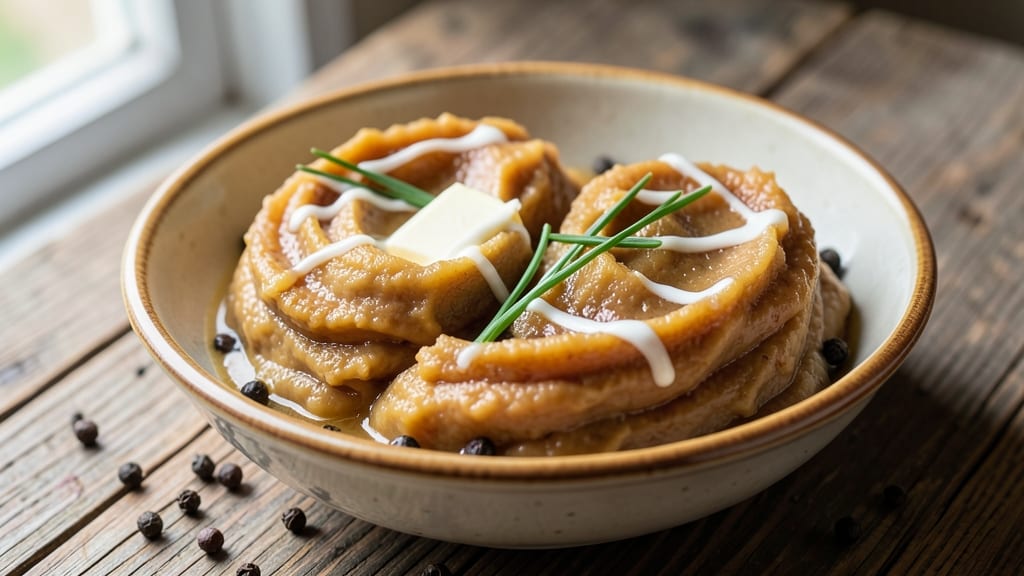
This mushed potatoes recipe delivers velvety-smooth results with just a few key techniques—no lumps in sight. This recipe delivers a velvety, buttery texture that transforms simple potatoes into a creamy masterpiece, ideal for holiday feasts or weeknight dinners.
The secret lies in proper potato selection and technique, ensuring fluffy, lump-free perfection every time.
Start with starchy potatoes like Russets or Yukon Golds, which break down beautifully when cooked just until tender. Boiling them whole with salted water preserves their shape, while a hot milk-and-butter mixture—heated separately—creates the ideal base for blending.
No electric mixer needed; a sturdy potato masher or ricer guarantees that signature smooth finish.
What you’ll achieve is a batch of mashed potatoes so rich and creamy they’ll disappear faster than you can say "seconds." The buttery aroma fills the kitchen, and the texture is so tender it melts on your tongue.
Garnish with fresh chives or a drizzle of gravy for an extra touch of sophistication, or keep it classic for a comforting side dish.
This method works for traditional or modern twists—add roasted garlic for depth, swap butter for olive oil for a lighter version, or use almond milk for a vegan adaptation.
The key is control: overcooked potatoes yield gluey results, while underheated dairy creates clumps. Master these steps, and you’ll never buy store-bought again.
Ingredients for mushed potatoes
Starchy potatoes, rich dairy, and a few key techniques—this is all you need for perfect mushed potatoes.
| Ingredient | Amount | Notes |
|---|---|---|
| Russet Potatoes 🥔 | 2 lb | Medium-sized, peeled and quartered |
| Unsalted Butter 🧈 | ½ cup | Cold, cut into small cubes |
| Whole Milk 🥛 | ¾ cup | Warm, not hot |
| Heavy Cream 🥛 | ¼ cup | Full-fat for rich texture |
| Salt 🧂 | 1 ½ tsp | Kosher or sea salt |
| Freshly Ground Black Pepper 🌶️ | ½ tsp | Freshly cracked |
| Fresh Chives 🌿 | 2 tbsp | Chopped, for garnish |
| Garlic Cloves 🧄 | 2 cloves | Roasted for depth (optional) |
| Almond Milk 🥛 | ¾ cup | Unsweetened, for vegan option |
| Olive Oil 🫒 | ¼ cup | Light, for dairy-free version |
| Gravy 🍲 | ¼ cup | Homemade or store-bought |
The potato choice is everything. Russets break down beautifully, but Yukon Golds add natural sweetness. Buy organic if possible—the skins are thinner and easier to peel. Whole Foods or Trader Joe's carry pre-peeled Yukons in the fall, which saves time. For Russets, always peel after cooking to avoid losing starch. The butter should be cold and cubed—melting it first creates lumps. Plugrá or Land O'Lakes unsalted are my go-tos for consistent results.
No heavy cream? Extra whole milk works in a pinch, though texture will be slightly lighter. Swapping butter for olive oil? Use the same amount but reduce milk by 2 tbsp—it's oilier. For roasted garlic, smash 2 cloves on foil, drizzle with olive oil, and roast at 400°F for 15 minutes. The almond milk option is ideal for vegan diets, but add 1 tbsp cornstarch to thicken—it's thinner than dairy. Gravy? Homemade beef gravy elevates everything, but a quality jarred version (like Annie's) works too.
Potatoes keep best in a cool, dark place for 2-3 weeks—don't refrigerate until after peeling. The butter-milk mixture should be warm but not boiling when added to potatoes. For leftovers, store in an airtight container with a thin layer of plastic wrap pressed directly on the surface to prevent drying. Reheat with a splash of milk—never microwave dry. Garnish with chives right before serving to keep them vibrant.
Why You'll Love This Recipe
- Four-Ingredient Magic: I swear by this combo—just potatoes, butter, a splash of milk, and cream. That’s it. No fancy gadgets, no measuring cups (eyeball it), and still comes out buttery, velvety perfection every time.
- Weeknight Hero: Boil them while you prep the rest of dinner. Mash while the meat roasts or veggies steam. By the time everything’s done, your potatoes are already creamy and ready—no last-minute stress.
- Leftovers? Please.: These reheat like a dream—just pop them in the microwave with a pat of butter, and they’re just as good as fresh. Honestly, I make a double batch on Sundays just to avoid thinking about dinner later in the week.
Step-by-step instructions for creamy mush potatoes
Here's the method for velvety, lump-free mashed potatoes with rich, buttery flavor every time.
Prepare and Boil the Potatoes
Start by peeling the 2 lb russet potatoes and cutting them into even-sized quarters. Place them in a large pot and cover with cold water by about 2 inches. Add the 1.5 tsp salt to the water—this helps season the potatoes as they cook.
Bring the water to a rolling boil over high heat, then reduce to a gentle simmer. Cook the potatoes for 15-20 minutes until they're fork-tender. You'll know they're done when a knife slides in easily with just slight resistance. Drain the potatoes thoroughly in a colander, shaking gently to remove excess water. The drier the potatoes, the creamier your mash will be.
Mash the Potatoes Smoothly
Return the drained potatoes to the pot and let them sit for 1 minute to steam off any remaining moisture. Then, using a potato masher or ricer, mash them until completely smooth. I prefer a ricer for the smoothest texture, but a masher works fine if you press firmly against the pot sides.
If you notice any lumps, don't worry—we'll fix that in the next step. The key here is to work quickly to keep the potatoes warm. You want them to be hot but not steaming when you add the dairy ingredients, or you'll end up with scrambled eggs instead of creamy mash.
Add Dairy and Create the Creamy Base
With the potatoes still in the pot, add the 0.5 cup cold unsalted butter cubes and the 0.75 cup warm whole milk. Using a wooden spoon or electric mixer, stir vigorously until the butter melts completely and the mixture becomes smooth and creamy. The butter should be fully incorporated and the texture should be velvety.
For extra richness, stir in the 0.25 cup heavy cream. This step is where the magic happens—the combination of warm milk and cold butter creates that signature velvety texture. If using the almond milk instead, add it now along with the olive oil for a dairy-free version that still achieves creaminess.
Season and Finish Perfectly
Season the mashed potatoes with the 0.5 tsp freshly ground black pepper and taste before adding more salt. Remember, the potatoes were already salted in the boiling water, so you might not need additional salt. The pepper adds a nice warmth that balances the richness.
For the final touch, stir in the 2 tbsp chopped fresh chives and the 2 roasted garlic cloves (if using). The chives add a fresh, bright note while the garlic deepens the flavor. If you're serving with gravy, now's the time to fold in the 0.25 cup gravy for a restaurant-quality finish. The gravy should be warm but not boiling to maintain that perfect texture.
Pro Tips For Making Mushed Potatoes
- BOIL THEM WHOLE: Peel and chop your Russets into 1.5-inch chunks—no smaller—then boil them whole in salted water. This keeps them from falling apart while cooking, and you’ll end up with fewer lumps when mashing. I used to cut them too small, and the starch would turn everything gluey.
- USE HOT POTATOES ONLY: Drain your potatoes directly into a dry pot or bowl, then hit them with a splash of milk or cream while they’re still piping hot. The residual steam helps break them down faster and smoother—no need to force them with a ricer or masher. Cold potatoes? You’re fighting an uphill battle.
- SALT THE WATER EARLY: Toss your boiling water with 1.5 tablespoons of salt before adding the potatoes, not after. Russets soak up flavor like sponges, and starting with salted water means every bite gets that consistent seasoning. I learned this after making bland mashed potatoes for years—sadly, no one told me sooner.
- STIR IN BUTTER LAST: Warm your butter in a separate pan until it’s just melted, then fold it into the potatoes after they’re fully mashed. This keeps it from turning into greasy clumps and gives you that silky, velvety texture. Cold butter? Your potatoes will look like they’ve been through a blender—messy and uneven.
Storing and reheating your leftovers
Refrigerator Storage
Store your freshly made mashed potatoes in an airtight container with a layer of plastic wrap pressed directly on the surface to prevent drying. Keep them refrigerated at 40°F or below for up to 3 days.
The plastic wrap creates a seal that locks in moisture, so your potatoes stay creamy rather than turning gummy. I like using glass Pyrex containers because they reheat evenly and are microwave-safe. 🥄
Freezer Storage
For longer storage, freeze your mashed potatoes in single-serving portions using quart-sized freezer bags or small airtight containers. Press out all air to prevent freezer burn, and label with the date. They’ll keep for up to 3 months at 0°F or below.
When ready to reheat, thaw overnight in the fridge for best texture. Never refreeze thawed potatoes—they’ll become watery and lose their velvety consistency. 🧊
Stovetop Reheating
My preferred method for reheating is stovetop, which preserves the creamy texture. Place the potatoes in a heavy-bottomed saucepan and add 2-3 tablespoons of warm milk or water to loosen them. Heat over medium-low for 5-7 minutes, stirring frequently, until fully warmed through.
If they look dry, add a splash more liquid. This method keeps the potatoes smooth and prevents them from turning gluey. 🔥
Microwave Reheating
For quick reheating, transfer a portion to a microwave-safe bowl and cover loosely with a damp paper towel. Heat on 50% power in 1-minute intervals, stirring between each, until warmed through.
Avoid overcooking—they can dry out quickly. If needed, add 1 tablespoon of warm milk to restore creaminess. This method is fastest but requires close attention to avoid rubbery texture. ⏰
Gravy Garnish Tip
Before serving reheated potatoes, drizzle with warm gravy (about 2 tablespoons per serving) to revive their richness. The gravy also helps distribute any moisture lost during storage. For extra flavor, mix in 1 teaspoon of roasted garlic or chopped chives right before serving.
This final touch makes reheated potatoes taste almost as good as fresh! 🍲
Texture Rescue
If your reheated potatoes turn out too dry or lumpy, don’t panic. Stir in 1 tablespoon of warm butter and 1 tablespoon of warm milk per serving, then heat gently for 1-2 minutes.
The butter and milk will smooth out any lumps and restore creaminess. This trick works like magic for saving even the most neglected leftovers. ✨
Nutrition facts
Frequently asked questions
Why do my mashed potatoes turn out lumpy?
Lumps usually happen when potatoes aren't dry enough before mashing or when cold butter is added too quickly. Always drain potatoes thoroughly and let them steam for 1 minute after draining. For extra smoothness, use a potato ricer instead of a masher. If lumps appear, stir in 1 tablespoon of warm milk or butter to dissolve them.
Can I make mashed potatoes ahead of time?
Yes! Store them in an airtight container with plastic wrap pressed directly on the surface for up to 3 days in the fridge. For longer storage, freeze in single-serving portions for up to 3 months. Thaw overnight in the fridge before reheating. Never refreeze thawed potatoes—they'll become watery.
What's the best potato for creamy mashed potatoes?
Russet potatoes are ideal for their high starch content, but Yukon Golds add natural sweetness. Avoid waxy potatoes like red skins—they stay firm and won't mash smoothly. For extra flavor, try roasting the potatoes first before mashing.
How do I fix gluey mashed potatoes?
Gluey texture means the potatoes were overcooked or mashed too early. Next time, cook until fork-tender (not mushy) and mash immediately after draining. For instant fixes, stir in 1 tablespoon of cold butter and 1 tablespoon of warm milk while reheating. This restores creaminess by balancing moisture.
Can I make vegan mashed potatoes?
Replace butter with olive oil and dairy milk with unsweetened almond milk. Add 1 tbsp cornstarch to thicken since plant-based milks are thinner. For richness, stir in 2 tbsp nutritional yeast or roasted garlic. The texture will be just as creamy!