
Desserts
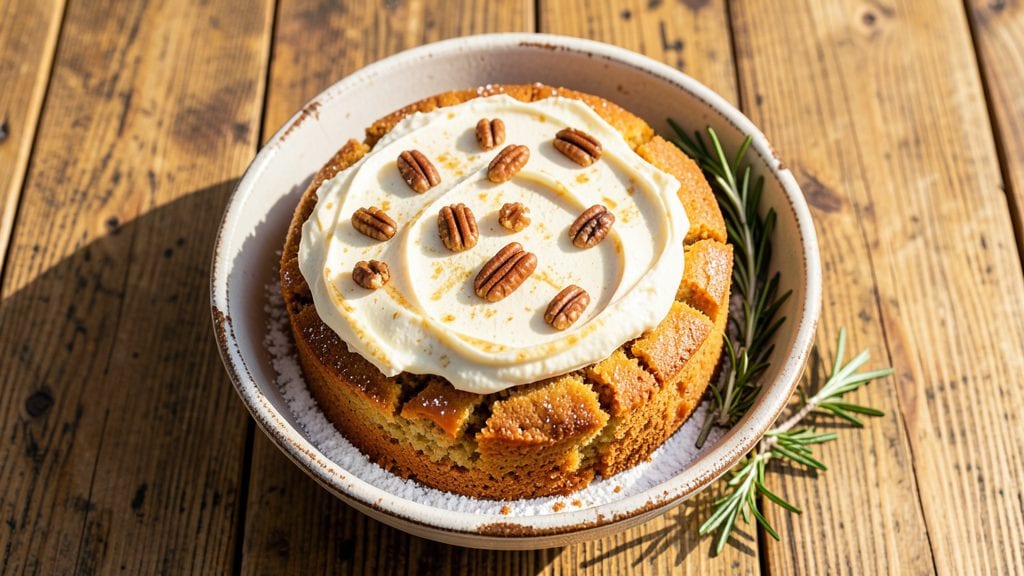
Grandma's famous sweet potato butter cake recipe brings back memories of Sunday afternoons filled with laughter and the warm scent of spices. This heirloom dessert delivers moist, tender layers with a perfect balance of sweetness and warm cinnamon notes that make every bite feel like a hug.
I've baked this cake dozens of times, and the secret lies in the sweet potato puree—it keeps the texture incredibly tender while adding natural sweetness that reduces the need for extra sugar.
The recipe combines classic cake ingredients with a few clever techniques that set it apart from standard butter cakes. Sweet potato puree replaces some of the butter and eggs, creating that signature moisture, while a touch of baking soda ensures the layers rise just enough to stay light.
The warm spices—cinnamon, nutmeg, and ginger—infuse every slice with comforting aromas that transport you straight to Grandma's kitchen.
What you'll end up with is a cake that's rich yet not overly sweet, with a velvety crumb that melts in your mouth and a subtle caramelized flavor from the sweet potatoes. The frosting, if you choose to add it, enhances the spice notes without overpowering them.
This cake is perfect for holidays, family gatherings, or when you simply need a comforting dessert that feels like home.
Whether you serve it plain with a dusting of powdered sugar or topped with cream cheese frosting, this recipe delivers restaurant-quality results that taste like a piece of nostalgia.
It's the kind of dessert that disappears quickly, leaving everyone asking for the recipe—and now, you can share it too. Let's get baking!
Ingredients for grandma's famous sweet potato butter cake
Sweet potato puree, warm spices, and tender layers—this nostalgic cake needs just these ingredients.
| Ingredient | Amount | Notes |
|---|---|---|
| Sweet Potato Puree 🍠 | 1 cup | Unsweetened, canned or homemade |
| Unsalted Butter 🧈 | 1 cup | Room temperature, full-fat |
| Granulated Sugar 🍚 | 1 ½ cups | Light brown sugar for depth |
| All-Purpose Flour 🌾 | 2 cups | Sifted, spooned lightly |
| Large Eggs 🥚 | 2 whole | Room temperature, beaten |
| Baking Soda 🧪 | 1 tsp | Pure, not baking powder |
| Ground Cinnamon 🌿 | 2 tsp | Freshly ground preferred |
| Ground Nutmeg 🌿 | ½ tsp | Freshly grated for warmth |
| Ground Ginger 🌶️ | 1 tsp | Freshly ground for zing |
| Salt 🧂 | ½ tsp | Fine sea salt preferred |
| Vanilla Extract 🌸 | 1 tbsp | Pure, no imitation |
| Buttermilk 🥛 | ½ cup | Homemade or store-bought |
| Powdered Sugar 🍚 | 1 cup | For dusting or frosting |
The sweet potato puree is the heart of this cake. Canned puree works fine, but homemade (just boil, peel, and blend) adds depth. Costco or Trader Joe's have great canned options—look for labels without added sugar. Freshly ground spices make all the difference here. Penzeys or bulk bins at grocery stores are worth it for nutmeg and ginger. I always double-check the expiration date on baking soda—old stuff loses its lift. The buttermilk? If you forget, mix milk and vinegar (1 tbsp vinegar to 1 cup milk) and let it sit for 5 minutes.
No sweet potato puree? Mashed roasted sweet potatoes work in a pinch—just drain off excess liquid. Swap brown sugar for white if needed, but the cake won't be as moist. Almond flour can replace up to half the all-purpose flour for a gluten-free version (though texture changes). For the spices, cinnamon sticks toasted and ground work too—just crush them in a spice grinder. The vanilla extract? Imitation smells like chemicals, so splurge on the real stuff. If you're making frosting, cream cheese frosting balances the sweetness perfectly—just mix softened cream cheese, powdered sugar, and a splash of milk.
This cake keeps beautifully—3 days in an airtight container at room temperature, or 1 week in the fridge. For longer storage, wrap tightly and freeze for up to 3 months. I always bake an extra layer or two—slices reheated for 10 seconds in the microwave taste even better. The frosting, if you make it, can be prepped ahead and stored in the fridge. Just let it soften before spreading. And if anyone asks, the secret ingredient is definitely Grandma's love—and a good pinch of patience.
Why You'll Love This Recipe
- No-Fuss Mixing: I swear by the 5-minute prep—just blend the sweet potato puree, cream the butter and sugar, then fold in dry ingredients. The eggs bind it all together like magic, no fancy techniques needed.
- Moist Magic: That sweet potato puree? It’s the secret weapon—keeps the cake tender without drying out, while the butter makes every slice rich and velvety. Honestly, it tastes like dessert but sneaks in as breakfast or a snack.
- Leftovers That Win: Slice it up and toast the next morning, or pack it for lunch—it holds up better than most cakes. (Yes, even on a Tuesday night.)
- Budget-Friendly Luxury: Sweet potatoes and butter stretch far, and this recipe feeds a crowd without breaking the bank. My go-to for potlucks or when I need to impress without stress.
Step-by-step instructions for Grandma's famous sweet potato butter cake
Here's how to bake this legendary cake with layers that stay moist for days and warm spices that taste like home.
Cream Butter and Sugar for Maximum Moisture
In a large mixing bowl, beat the 1 cup unsalted butter and 1.5 cups granulated sugar together using an electric mixer on medium speed for 3-4 minutes. You'll notice the mixture lighten in color and nearly double in volume—this is crucial for creating that tender, moist crumb. The butter should be completely smooth with no graininess, and the sugar fully incorporated.
I like to scrape down the sides of the bowl every minute to ensure the butter doesn't separate. Here's the thing—this creaming process isn't just about sweetness. It's what creates those tiny air pockets that make the cake light and fluffy. If you rush this step, your cake will end up dense instead of moist. Trust the process and let that mixer do the work.
Add Eggs and Sweet Potato Puree
Add the 2 whole large eggs, one at a time, beating well after each addition until fully combined. Then mix in the 1 cup sweet potato puree and 1 tbsp vanilla extract. The sweet potato puree gives this cake its signature moisture and subtle sweetness, while the vanilla adds depth of flavor. You'll notice the batter becomes slightly thicker as you incorporate these ingredients.
Here's where it gets interesting—the sweet potato puree might look like too much at first, but trust me, it's exactly what this cake needs. The puree replaces some of the liquid you'd normally use, but it adds natural sweetness and moisture that keeps this cake tender even days after baking. Make sure your sweet potato puree is smooth with no lumps for the best texture.
Combine Dry Ingredients and Fold Gently
In a separate bowl, whisk together the 2 cups all-purpose flour, 1 tsp baking soda, 2 tsp ground cinnamon, 0.5 tsp ground nutmeg, 1 tsp ground ginger, and 0.5 tsp salt. Sift the flour mixture directly over the wet ingredients, then gently fold it in using a spatula. Be careful not to overmix—just combine until the flour is mostly incorporated and you still see a few streaks of flour in the batter.
Next, stir in the 0.5 cup buttermilk until just combined. The buttermilk adds tanginess that balances the sweetness and helps create that perfect tender crumb. Here's a pro tip: don't worry if the batter looks a bit thin. It's supposed to be on the thinner side—this is what gives the cake its signature moist texture. The cake will rise beautifully in the oven despite the thinner batter.
Bake in Two Layers for Perfect Rise
Preheat your oven to 350°F and grease two 8-inch round cake pans, then line the bottoms with parchment paper. Divide the batter evenly between the two pans. Bake for 25-30 minutes or until a toothpick inserted in the center comes out clean. The tops should be golden brown, and the edges should pull away slightly from the sides of the pan.
I know it seems like a long time, but don't open the oven door before the 20-minute mark. Peeking too early causes the cakes to sink. The sweet potato puree makes these cakes rise beautifully, but they do need that full baking time to develop their signature moist texture. Let the cakes cool in their pans for 10 minutes, then transfer them to a wire rack to cool completely before frosting.
Frost and Serve for Maximum Enjoyment
Once the cakes are completely cool, prepare your frosting by beating the 1 cup powdered sugar with 2 tablespoons softened butter and 1-2 tablespoons milk until smooth. Spread this light buttercream between the layers and on the top and sides of the cakes. The powdered sugar frosting keeps things simple while complementing the warm spices in the cake.
Here's the best part—this cake tastes even better the next day as the flavors meld together. The sweet potato puree ensures it stays moist for days, while the warm spices keep it tasting fresh. Slice and serve with a cup of coffee or tea for the perfect comforting treat. The combination of the tender cake and the simple buttercream is what makes this recipe legendary in so many families.
Pro Tips For Making Grandma'S Famous Sweet Potato Butter Cake
- Strain That Puree: Sweet potatoes hold onto moisture like a grudge. After boiling and mashing, force the puree through a fine-mesh sieve—no lumps, no watery mess. I learned this the hard way when my first batch turned into a dense, sad brick instead of a tender cake.
- Whip Butter Cold: Unsalted butter straight from the fridge is your friend here. Cream it with the sugar at medium speed until it’s pale and fluffy—about 3-4 minutes. Warm butter? You’ll end up with a gummy cake that fights back at every slice.
- Don’t Overmix: The moment flour hits the bowl, stop mixing after just 30 seconds past the "no dry spots" stage. Overworking the batter introduces gluten, and your cake will turn out tough instead of moist. I used to ignore this—now I set a timer.
- Bake Until Springy: Check doneness at 55-60 minutes—press the center with a toothpick. It should come out with moist crumbs, not wet batter. If it’s underdone, tent with foil for 10 minutes to finish; overbaking dries out the butter-sweet-potato magic.
Common mistakes when making this dish
Overmixing the Batter
This is the #1 mistake I see that turns a tender cake into a dense brick. Once you add the flour mixture, stop mixing as soon as you see just a few streaks remaining. Overmixing develops gluten, which makes the cake tough instead of moist.
I know it's tempting to get everything perfectly combined, but trust me—those few flour streaks are your friends. The sweet potato puree in this recipe makes the batter thinner than usual, so it's especially important to resist the urge to overwork it. 💫
Skipping the Room-Temp Ingredients
Cold butter and eggs can cause your cake to develop a weird texture with pockets of uneven moisture. Let your butter sit out for at least 1 hour (or overnight) until it's soft but not melted.
Eggs should be at room temperature too—just place them in warm water for 5 minutes if you're in a hurry. I've ruined cakes by rushing this step, and the results were noticeably less tender. The sweet potato puree doesn't need to be room temperature, but the other fats absolutely do.
Opening the Oven Too Early
Resist the urge to check on your cakes before the 20-minute mark! Every time you open that oven door, you're causing a temperature drop that makes the cakes sink.
The sweet potato puree in this recipe helps with rise, but it still needs that full 25-30 minutes to develop proper structure. I've seen cakes that looked perfect at 20 minutes but collapsed by 25 because someone couldn't wait. Set a timer and walk away—this is where patience pays off.
Using Old Baking Soda
Baking soda loses its potency over time, and old baking soda can't properly react with the buttermilk and sweet potato puree to help this cake rise. Check your baking soda by mixing 1 tsp with 1 cup vinegar—if it doesn't fizz immediately, it's time to replace it.
I keep my baking supplies in airtight containers and date them so I never make this mistake again. Fresh baking soda is crucial for that perfect tender crumb we're aiming for.
Measuring Ingredients Incorrectly
This cake relies on precise measurements, especially with the sweet potato puree and butter. Use the spoon-and-level method for flour (don't scoop directly from the bag), and pack brown sugar firmly into the measuring cup.
For the sweet potato puree, use a liquid measuring cup—1 cup packed with lumps is more than 1 cup smooth puree. I've seen cakes turn out too dry or too dense when measurements were off by just a few tablespoons. Take your time and measure carefully.
Not Letting Cakes Cool Properly
Trying to frost or slice cakes that are still warm is a recipe for disaster. The residual heat will melt any frosting you try to add, and the layers might crumble.
Let your cakes cool completely in their pans for 10 minutes, then transfer to a wire rack to cool for at least 1 hour before frosting. I know it's hard to wait, but this step makes all the difference in texture.
Patience here ensures clean slices and a professional-looking finish. ⏰
Nutrition facts
Frequently asked questions
Why does this cake stay so moist for days?
The secret lies in the sweet potato puree and buttermilk combination. The puree adds natural moisture while the buttermilk's acidity tenderizes the gluten structure. Plus, the baking soda creates just enough lift without making the texture dry. Unlike regular cakes, this one actually improves overnight as the flavors meld!
Can I make this cake in a single layer instead of two?
Yes! For a single 9-inch layer, bake at 350°F for 40-45 minutes in a greased pan. The batter will be thinner than usual, so don't overbake—it should spring back when gently pressed. Just reduce baking time by about 10-15 minutes compared to the two-layer version. The texture stays just as tender!
What's the best way to store leftovers?
Wrap tightly in plastic wrap and store at room temperature for 3 days or refrigerate for 1 week. For longer storage, freeze slices in an airtight container for up to 3 months. The frosting can be removed before freezing to prevent sogginess. Thaw overnight in the fridge for best texture.
Can I substitute pumpkin puree for sweet potato?
You can try, but the flavor will change significantly. Pumpkin adds more moisture and a slightly earthier taste. Use the same amount, but reduce the sugar by 2 tablespoons since pumpkin is naturally sweeter. For the classic Grandma's version, stick with sweet potato for that signature warm spice profile!
How do I make this cake gluten-free?
Replace the 2 cups all-purpose flour with a 1:1 gluten-free baking flour blend (like Bob's Red Mill). Add 1 tsp xanthan gum to help bind the texture. The cake will be slightly denser but still moist. For best results, let the batter rest for 10 minutes before baking to help the gluten-free flour hydrate properly.