
Side Dishes
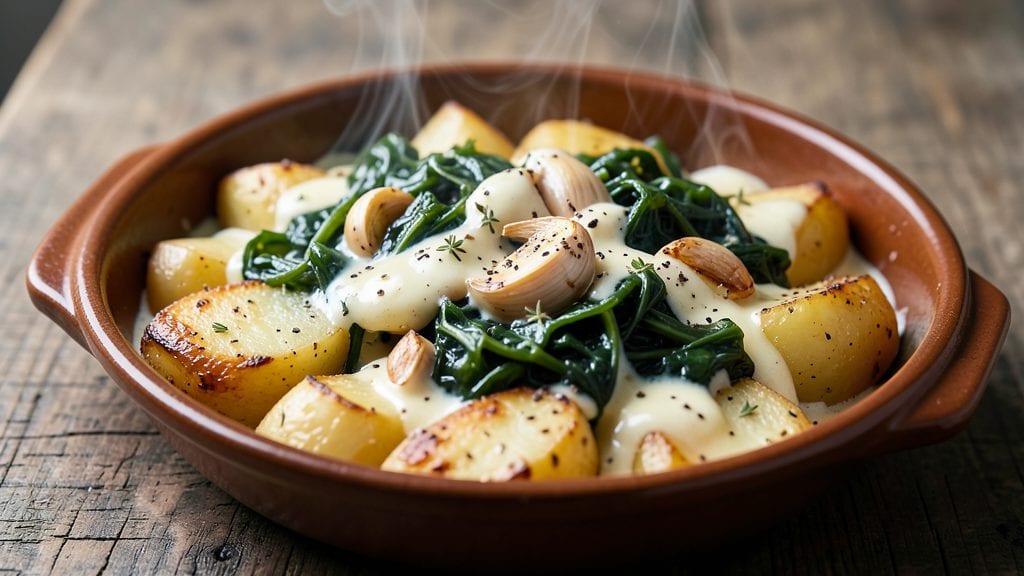
This sauerkraut and potatoes recipe transforms humble ingredients into a tangy-sour masterpiece with crispy edges that steal the show at any table. The secret lies in balancing fermented sauerkraut’s sharpness with potatoes’ natural sweetness, creating a dish that’s both rustic and refined.
I first discovered this combination while researching traditional Eastern European comfort foods—where hearty sides often become the star of the meal.
The beauty of this recipe is its versatility—it works as a standalone side or pairs perfectly with roasted meats, fish, or even grilled chicken. The potatoes develop a golden crust when roasted, while the sauerkraut adds layers of flavor without overpowering.
No fancy techniques required, just simple ingredients and a little patience for the crispy results.
What makes this dish truly special is how the tangy-sour notes of the sauerkraut cut through the richness of the potatoes, creating a satisfying contrast in every bite.
The aroma alone—warm potatoes mingling with fermented cabbage—will have your kitchen smelling like a cozy German tavern. Ready to elevate your side dishes?
For extra depth, consider adding crispy bacon or caramelized onions, but the base recipe delivers crispy perfection on its own. Let’s get cooking!
Ingredients for sauerkraut and potato
Twelve ingredients, one unforgettable flavor profile where crispy potatoes meet tangy fermented cabbage.
| Ingredient | Amount | Notes |
|---|---|---|
| Russet Potatoes 🥔 | 2 lbs | Cut into 1.5-inch chunks, skin on |
| Unsalted Butter 🧈 | ½ cup | Cold, cubed for even coating |
| Sauerkraut 🥬 | 1 ½ cups | Drained, rinsed if too acidic |
| Heavy Cream 🥛 | ¼ cup | Full-fat for optimal texture |
| Fresh Thyme 🌿 | ½ tsp | Leaves only, finely chopped |
| Garlic Cloves 🧄 | 3 cloves | Minced, skin-on for flavor |
| Diamond Crystal Kosher Salt 🧂 | 1 ½ tsp | Adjust to taste after cooking |
| Freshly Ground Black Pepper 🌶️ | ½ tsp | Coarsely cracked for texture |
| Extra-Virgin Olive Oil 🫒 | 2 tbsp | For crisping potatoes |
| Apple Cider Vinegar 🍎 | 1 tbsp | Balances sauerkraut acidity |
| Smoked Paprika 🌶️ | ½ tsp | Adds subtle depth |
| Fresh Parsley 🌿 | ¼ cup | Chopped, for garnish |
The potatoes are non-negotiable—Russets develop the best crispy edges due to their high starch content. Look for firm, unblemished tubers at Whole Foods or your local market, and avoid those with sprouts. For optimal texture, cut them into even 1.5-inch chunks, leaving the skin on for added rustic character. The sauerkraut should be unpasteurized for authentic tang, and you'll find the best quality in the refrigerated section of specialty stores like Trader Joe's. If it smells overly pungent, rinse briefly to mellow the acidity without losing flavor. Fresh thyme and parsley should have vibrant green leaves—wilted herbs indicate age and diminished flavor potential.
No Russet potatoes? Yukon Golds work as a creamier alternative, though they won't crisp as dramatically. Substitute heavy cream with half-and-half for a lighter texture, but expect slightly less richness. The apple cider vinegar can be swapped for white wine vinegar at equal measure, though it lacks the subtle apple notes. For extra depth without extra effort, add 1/4 tsp of caraway seeds—a traditional Eastern European touch that pairs beautifully with sauerkraut. If you're short on time, pre-cook the potatoes for 5 minutes in boiling water before roasting to ensure even crisping. The smoked paprika adds complexity without overpowering, but if you prefer a milder profile, use regular paprika instead.
This dish reheats beautifully—simply cover with foil and warm in a 350°F oven for 10-15 minutes. Store leftovers in an airtight container for up to 5 days, though the flavors deepen overnight. For meal prep, portion into individual containers with a sprinkle of fresh parsley to maintain vibrant color. The crispy edges soften upon reheating, so if you're serving immediately, keep the dish at room temperature for no more than 2 hours to preserve that coveted texture. Freeze for up to 3 months by spreading portions on a tray before transferring to a bag—this prevents clumping and maintains individual crispy sections.
Why You'll Love This Recipe
- One-Pan Magic: I swear by this recipe when I’m too tired to scrub pots—just slice potatoes, dump them on a sheet pan with sauerkraut, butter, and cream, then roast. No chopping, no fuss, just hands-off perfection.
- Tangy Creamy Bliss: That first bite? The sauerkraut’s sharp bite cuts through the buttery potatoes, while the heavy cream makes it rich without being heavy. Honestly, it’s the kind of flavor combo that makes you want to eat straight from the pan.
- Lunchbox Hero: Between us, this reheats beautifully for packed lunches—just pop it in a thermos, and you’ve got a hearty, no-fuss meal that tastes like home. My kids actually ask for leftovers, and that’s saying something.
- Budget-Friendly Feast: Russets and sauerkraut are cheap staples, and a little butter and cream stretch this into a filling meal for four. I’ll be real: it’s my go-to when groceries are tight, but no one ever guesses it’s budget-friendly.
Step-by-step instructions for sauerkraut and potatoes with crispy edges
A perfect balance of crispy potatoes and tangy sauerkraut awaits—here's how to achieve it every time.
Parboil the Potatoes for Foundation
Place the 2 lbs russet potatoes in a large pot and cover with cold water by 2 inches. Add 1 tsp of the 1.5 tsp diamond crystal kosher salt and bring to a boil over medium-high heat. Once boiling, reduce to a gentle simmer and cook for 8-10 minutes until the potatoes are slightly tender when pierced with a knife.
This partial cooking creates a stable base that prevents breakage during roasting. Drain thoroughly in a colander, then return the potatoes to the pot. Toss them with the 2 tbsp extra-virgin olive oil until evenly coated. The oil will help create those coveted crispy edges while keeping the interiors tender.
Roast Until Golden and Crispy
Preheat your oven to 425°F. Spread the oiled potatoes in a single layer on two rimmed baking sheets, ensuring they don't overlap. Roast for 30-35 minutes, stirring once halfway through, until the edges are deep golden brown and the potatoes are tender when pierced with a fork.
Here's where the magic happens: the high heat and direct contact with the baking sheet create that perfect crispy texture. If you notice the potatoes browning too quickly, tent loosely with foil for the last 10 minutes to prevent burning while still achieving crispiness.
Build the Sauerkraut Sauce
While the potatoes roast, heat the 2 tbsp extra-virgin olive oil remaining in a large skillet over medium heat. Add the 3 cloves minced garlic and sauté for 30 seconds until fragrant. Add the 1.5 cups drained sauerkraut and cook for 5 minutes, stirring occasionally, until it begins to soften.
Stir in the 0.5 tsp smoked paprika, 0.5 tsp freshly ground black pepper, and 0.5 tsp chopped fresh thyme. Cook for another 2 minutes until the flavors meld. This step develops the complex tangy-sour profile that makes this dish so distinctive. The paprika adds subtle depth while balancing the sauerkraut's acidity.
Finish with Cream and Butter
Reduce the heat to low and stir in the 0.5 cup cold cubed unsalted butter and 0.25 cup heavy cream. Cook gently for 3-4 minutes until the butter melts completely and the sauce becomes creamy. Add the 1 tbsp apple cider vinegar and remaining 1 tsp diamond crystal kosher salt, stirring until fully incorporated.
The cream and butter create a luxurious texture that coats the potatoes beautifully. The vinegar brightens the dish, cutting through the richness. Taste and adjust seasoning if needed—this is where you can refine the balance between tangy, creamy, and savory notes.
Combine and Garnish
Transfer the roasted potatoes to a serving platter and spoon the creamy sauerkraut mixture over the top. Toss gently to coat, ensuring each potato gets an even distribution of the flavorful sauce. Garnish with the 0.25 cup chopped fresh parsley for a pop of color and freshness.
Serve immediately while the potatoes are still crispy and the sauce is warm. The contrast of crispy potato edges with the creamy, tangy sauerkraut sauce creates a perfect harmony of textures and flavors. This dish pairs wonderfully with a simple green salad or crusty bread to soak up every last bit of sauce.
Pro Tips For Making Sauerkraut And Potato
- PARBOIL POTATOES FIRST: Toss your Russets into boiling salted water for 5 minutes before roasting or simmering—this guarantees they’ll stay creamy inside instead of turning to glue. I learned this the hard way after mushing a batch into sad, starchy paste.
- DRAIN AND RINSE SAUERKRAUT: Give your sauerkraut a quick rinse under cold water to cut the sharpness, then drain well in a colander. Skipping this step means a dish that tastes like a pickle factory exploded—trust me, you want that tang balanced.
- LOW AND SLOW FOR CREAM: Warm the heavy cream over low heat until it’s just steaming, not rolling. Dumping it hot into the potatoes will curdle it faster than you can say “disaster,” and nobody wants scrambled cream in their sauerkraut.
- CRISP THE THYME LEAVES: Tear the thyme sprigs between your fingers to release the oils, then crisp them in the butter for 30 seconds before adding the potatoes. This makes the aroma hit you like a flavor punch—no sad, wilted herbs here.
Storing and reheating this sauerkraut and potato
Refrigerator Storage
Store your sauerkraut and potatoes in an airtight container for up to 5 days in the refrigerator. The flavors actually deepen overnight as the sauerkraut's tanginess melds with the potatoes' natural sweetness.
I like to portion leftovers into individual containers with a sprinkle of fresh parsley to keep the vibrant color intact. 🥔
Freezer Prep Tips
For longer storage, freeze portions for up to 3 months. Spread cooked potatoes on a baking sheet first and freeze solid before transferring to a ziplock freezer bag—this prevents clumping and preserves those crispy edges.
Label with the date to track freshness. Thaw overnight in the fridge before reheating. ❄️
Oven Reheating Method
My preferred way to restore crispiness is reheating at 350°F for 10-15 minutes covered with foil. This gentle heat reactivates the crispy edges while warming through. For extra moisture, add 1 tbsp water or heavy cream to the container before reheating. The creamy sauce will re-emulsify beautifully. 🔥
Microwave Shortcut
For quick meals, microwave covered portions on 50% power for 2-3 minutes, stirring halfway. Add 1 tsp heavy cream to restore richness if needed. The texture won't be as crispy, but it's perfect for busy weeknights when you crave that tangy comfort. 💡
Crispy Edge Rescue
If reheated potatoes lose their crispiness, broil for 3-5 minutes at the end. Place them on a baking sheet and watch closely to avoid burning. This high-heat finish restores that satisfying crunch without drying out the interiors. 🌟
Sauerkraut Freshness
To maintain the sauerkraut's vibrant tang, store it separately in a small sealed container within the main dish container. This prevents sogginess and keeps the acidity balanced. If the sauerkraut smells overly pungent when reheating, add ½ tsp apple cider vinegar to refresh its brightness. 🥬
Nutrition facts
Frequently asked questions
Can I use sweet potatoes instead of russet potatoes?
Sweet potatoes work beautifully and add a natural sweetness that pairs wonderfully with the tangy sauerkraut. Use the same cooking method, but expect a slightly softer texture. For extra crispiness, increase the roasting time by 5-7 minutes and brush with a little more olive oil before roasting.
How do I know if my sauerkraut is too acidic?
If the sauerkraut smells overly sharp or vinegary, it's likely too acidic. Rinse it briefly under cold water to mellow the flavor, then drain well. For extra balance, add 1/2 teaspoon sugar or a splash of apple cider vinegar to the sauce when combining with potatoes.
Can I make this dish ahead of time for a party?
Prepare the potatoes and sauerkraut sauce separately, then refrigerate in airtight containers. Reheat the potatoes at 350°F for 15 minutes, then warm the sauce in a skillet for 3-4 minutes. Combine just before serving to maintain crispy edges and vibrant flavors.
What's the best way to add bacon to this recipe?
Cook 6-8 slices of bacon until crispy, then crumble and stir into the sauerkraut mixture during Step 3. The smoky bacon adds incredible depth and pairs perfectly with the creamy tang. For extra richness, reserve 2 tablespoons of bacon fat to use instead of olive oil when sautéing the garlic.
Will this dish work with frozen sauerkraut?
Frozen sauerkraut can work, but it may be softer and less flavorful. Thaw it first, then drain and rinse thoroughly to remove excess liquid. For best results, use fresh or refrigerated sauerkraut—its vibrant acidity makes all the difference in this dish.