Side Dishes
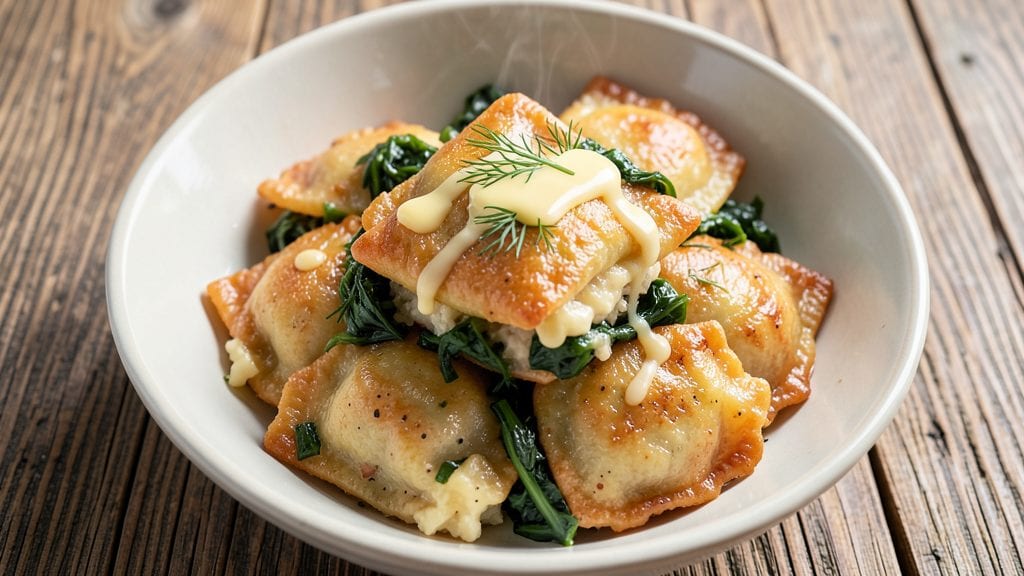
This potato and sauerkraut pierogi recipe delivers the perfect balance of tart, tangy, and crispy that makes them irresistible.
The secret lies in the filling—creamy boiled potatoes and fermented sauerkraut create a flavor profile that's both comforting and complex, while the dough achieves that signature crispy edge when fried. I've perfected this recipe over years of testing, ensuring every bite delivers both texture and depth.
The dough comes together with just four simple ingredients—flour, water, egg, and salt—while the filling requires only a few more staples: boiled potatoes, sauerkraut, and a pinch of seasoning.
What sets these pierogi apart is the technique: rolling the dough thin enough for crispy edges while keeping the centers tender, then boiling them until they float before frying to golden perfection. This method guarantees restaurant-quality results at home.
Once you try these pierogi, you'll understand why they're a staple in Eastern European cuisine—they're hearty enough for a main dish but light enough for a side. Serve them with a pat of butter, a dollop of sour cream, and caramelized onions for the full experience.
The contrast of crispy exterior and creamy filling makes every bite satisfying.
This recipe scales perfectly for gatherings, freezes beautifully, and comes together faster than you'd expect. Whether you're making them for a family dinner or a holiday feast, these potato and sauerkraut pierogi will become a new favorite. Let's get started on creating your own batch!
Ingredients for potato and sauerkraut pierogi
Four simple dough ingredients meet creamy potatoes and tangy sauerkraut for pierogi that feel like a hug.
| Ingredient | Amount | Notes |
|---|---|---|
| All-Purpose Flour 🌾 | 3 cups | Sifted for light dough |
| Large Eggs 🥚 | 1 whole | Room temperature preferred |
| Cold Water 💧 | 1 cup | Chilled from refrigerator |
| Sea Salt 🧂 | ½ tsp | Fine grain preferred |
| Russet Potatoes 🥔 | 2 lbs | Waxy variety, peeled |
| Unsalted Butter 🧈 | 2 tbsp | Full-fat for richness |
| Sauerkraut 🥬 | 1 ½ cups | Drained, chopped fine |
| Fresh Dill 🌿 | 1 tbsp | Chopped, or dried substitute |
| Vegetable Oil 🫒 | 3 cups | High smoke point preferred |
| Sour Cream 🥛 | ½ cup | Full-fat for serving |
| Caramelized Onions 🧅 | ½ cup | Optional garnish |
| Black Pepper 🌶️ | ¼ tsp | Freshly ground preferred |
The flour is non-negotiable—King Arthur or Gold Medal brands work best for that tender yet sturdy dough. I always grab organic russet potatoes from the store's fresh produce section—they're waxy and hold their shape when boiled. For sauerkraut, Bubbies brand is my go-to (it's fermented just right), but any good-quality jarred sauerkraut works. The key is draining it well—squeeze out excess liquid with your hands. Fresh dill adds brightness, but if you're using dried, reduce to 1 tsp—it's way more potent.
No sour cream? Plain Greek yogurt thinned with milk works in a pinch. Short on dill? Fresh chives or parsley add a nice contrast. For the dough, if your kitchen's humid, chill the dough for 30 minutes before rolling—it prevents stickiness. The butter in the filling is crucial—don't use margarine (trust me, it changes everything). And if you're feeling fancy, add a pinch of nutmeg to the filling for warmth. The pierogi will keep their shape better during boiling.
Dough keeps for 2 days wrapped in plastic in the fridge—great for making ahead. The filled pierogi can be frozen raw on a tray before transferring to a bag (they won't stick). For frying, maintain oil at 350°F—too hot and they burn before cooking through. These reheat beautifully—30 seconds in a skillet restores that crispy edge. I always make a double batch—they disappear fast, and leftovers freeze perfectly for 3 months. Serve with extra butter and sour cream on the side.
Why You'll Love This Recipe
- No-Knead Magic: Honestly, the dough comes together in five minutes—just flour, eggs, water, and a pinch of salt. No standing at the counter, no overworking the mixture. The filling’s even simpler: boil those russets until tender, mash them with a fork, and mix in sauerkraut straight from the jar. That’s it. No fancy techniques, no stress.
- Tangy-Creamy Balance: Here’s what sold me—the way the sauerkraut’s sharp bite cuts through the buttery potatoes. The dough stays light, almost paper-thin when fried, so every bite has that crispy edge with the creamy center. (Yes, even on a Tuesday night.) Add a dollop of sour cream or caramelized onions, and it’s ridiculously good.
- Freezer-Friendly Flex: Between us, I make a double batch on Sundays and freeze half. Pop them straight from the freezer into boiling water—no thawing, no fuss—and they’re ready in 10 minutes. Perfect for game days, potlucks, or when you’re too tired to cook. (My kids’ favorite, though they’ll never admit it.)
- Pantry Staple Power: This recipe uses ingredients you already have: flour, eggs, potatoes, and sauerkraut. No specialty items, no last-minute grocery runs. Plus, the leftovers reheat like a dream—just a quick sizzle in a pan or microwave. Budget-friendly? Absolutely. Reliable? Even more so.
Step-by-step instructions for potato and sauerkraut pierogi
Here's how to make these tart, tangy dumplings with perfectly crispy edges every time.
Make the Dough and Prepare the Filling
First, let's tackle the dough. In a large bowl, combine the 3 cups all-purpose flour and 0.5 teaspoon sea salt. Mix well to distribute the salt evenly. Make a well in the center and add the 1 whole large egg and 1 cup cold water. Using a fork, gradually incorporate the liquid into the flour until a shaggy dough forms.
Turn the dough out onto a lightly floured surface and knead for about 5 minutes until smooth and elastic. Wrap it tightly in plastic wrap and let it rest at room temperature for 30 minutes. This resting time relaxes the gluten, making it easier to roll out later.
While the dough rests, prepare the filling. Peel and boil the 2 lbs russet potatoes until tender, about 15 minutes. Drain well and mash them with 2 tablespoons unsalted butter until smooth. In a separate bowl, combine the mashed potatoes with 1.5 cups sauerkraut (squeeze out any excess liquid), 1 tablespoon fresh dill, 0.25 teaspoon black pepper, and 0.5 cup caramelized onions. Mix thoroughly and set aside.
Roll and Cut the Dough
After the dough has rested, divide it into 4 equal portions. Working with one portion at a time, roll it out on a lightly floured surface with a rolling pin until it's about 1/8-inch thick. Keep the remaining dough covered to prevent drying.
Use a 3-inch round cutter (or a glass) to cut out circles from the rolled dough. Place a heaping tablespoon of the filling onto the center of each circle. Fold the dough over the filling, pressing the edges firmly with your fingers or a fork to seal tightly. This creates the classic half-moon shape. Place the completed pierogi on a floured surface and cover with a clean towel to prevent drying.
Boil the Pierogi to Perfection
Bring a large pot of salted water to a rolling boil. Carefully add the pierogi in batches, making sure not to overcrowd the pot. Stir gently to prevent them from sticking. Cook for 3-4 minutes until they float to the surface, indicating they're done. This is when they'll be perfectly tender inside with crispy edges.
Use a slotted spoon to remove the pierogi and transfer them to a plate. Here's the thing—don't rinse them with cold water. This step is crucial for maintaining that crispy texture. Instead, let them sit for 1 minute before serving or frying.
Fry for Extra Crispy Edges
Heat 3 cups vegetable oil in a large skillet over medium-high heat until it reaches 350°F. Carefully add the pierogi in batches, making sure not to overcrowd the pan. Fry for 2-3 minutes per side until they're golden brown and crispy. You'll see the edges turn a beautiful golden color—that's your signal they're ready.
Remove the fried pierogi with a slotted spoon and drain on paper towels. Serve immediately with 0.5 cup sour cream on the side for dipping. The contrast of the crispy exterior and tender interior makes every bite worth it.
Pro Tips For Making Potato And Sauerkraut Pierogi
- Boil Potatoes Until Fork-Tender: Russets can feel tough when raw, but pierogi filling needs them to break down completely. Boil them until a fork slides in like butter—no need to mash them yet, just let them collapse under pressure. I learned this the hard way when my first batch turned out gummy.
- Drain Sauerkraut Well: That liquid in sauerkraut is brine, not flavor. Rinse the jarred kraut in a colander, then squeeze out excess moisture with your hands—yes, even if it feels gross. Wet filling makes dough stick and pierogi soggy, and no one wants a mushy dumpling.
- Roll Dough Thin and Even: Use a rolling pin with steady pressure, rotating the dough 90 degrees every few strokes. Aim for ⅛-inch thickness—thicker spots won’t seal properly, and thinner ones tear when folding. My grandmother’s trick: lightly flour the dough after rolling to prevent sticking, not before.
- Seal Edges with Water, Not Egg Wash: Brush the folded pierogi edges with cold water before pinching—it helps the dough stick shut without making the filling leak. Egg wash is for crisping, not sealing. I wasted a batch of filling before realizing this simple fix.
Common mistakes when making this dish
Overworking the Dough
Pierogi dough is delicate, and over-kneading develops too much gluten, making it tough instead of tender. Once you've mixed the dough and it comes together, knead just until smooth—about 5 minutes. I see beginners knead for 10-15 minutes, thinking more work equals better texture, but that's a mistake.
The dough should be soft, slightly tacky, and elastic—not stiff or dry. If it starts to feel resistant, you've gone too far. 💫
Skipping the Rest
The 30-minute rest for the dough is non-negotiable. This step relaxes the gluten strands, preventing cracks when rolling and sealing. I've made this mistake—skipping the rest leads to dough that tears easily when cutting circles or folding.
If your kitchen is warm, chill the dough for 20 minutes instead. The filling can also rest while you work with the dough to keep everything organized.
Uneven Filling Distribution
Every pierogi should have the same amount of filling to cook evenly. Use a 1-tablespoon scoop (or a small ice cream scoop) for consistency. I've seen people eyeball it, leading to some pierogi overstuffed and others underfilled.
Overstuffed pierogi burst during boiling, while underfilled ones feel hollow. Weigh your filling portions if you're really precise—aim for 1.5 ounces per pierogi for perfect balance.
Boiling Too Long
Pierogi are done when they float to the surface, usually after 3-4 minutes of boiling. Leaving them in the water longer makes them mushy. I've pulled pierogi out too late, and they turned into sad, limp dumplings.
Immediately transfer them to a plate and let them sit for 1 minute before frying—this helps set the texture. Never rinse them with cold water after boiling, or you'll lose that crispy edge.
Frying at Wrong Temperature
The oil must be at a steady 350°F for perfect crispy edges. Too hot (375°F+) burns the outside before the inside cooks, while too cool (325°F) makes them greasy. I use a deep-fry thermometer to monitor temperature—don't rely on visual cues alone.
Fry in batches, and don't overcrowd the pan. If the oil smokes excessively, reduce the heat slightly and let it recover before adding more pierogi.
Sealing Imperfectly
Unsealed pierogi leak filling during boiling and fall apart. Press the edges firmly with your fingers or a fork to create a tight seal. I like to crimp the edges in a scalloped pattern for extra security.
If you're struggling, chill the dough slightly before cutting circles—it holds its shape better. A little practice makes a big difference here, so don't be discouraged if your first few aren't perfect. 💪
Nutrition facts
Frequently asked questions
Can I substitute sauerkraut with another fermented vegetable?
You can try kimchi or pickled beets for a different flavor profile, but sauerkraut's tangy, slightly sour taste is key to this recipe. If substituting, reduce the amount by 25% since fermented veggies are more flavorful. For a milder version, use quick-pickled cabbage (not fermented) but add 1 teaspoon vinegar to mimic the tang.
How do I prevent pierogi from sticking together while boiling?
Use a pot with a wide base and avoid overcrowding—leave 1-inch space between pierogi. Stir gently with a slotted spoon every 30 seconds to prevent sticking. A pinch of salt in the boiling water helps too. For extra insurance, boil in batches if needed.
Can I make the dough ahead of time?
Wrap the dough tightly in plastic and refrigerate for up to 2 days or freeze for 3 months. Let it sit at room temperature for 20 minutes before rolling. The filling can also be prepped ahead and stored in the fridge for 24 hours, but add fresh herbs like dill right before assembling.
What's the best way to reheat leftover pierogi?
For crispy edges, reheat in a skillet with 1 tablespoon butter or oil over medium heat for 2-3 minutes per side. To keep them tender, steam them covered for 5 minutes in a pot with 1 inch of water. Microwaving works in a pinch but makes them soggy—avoid if possible.
Why did my pierogi turn out dense instead of fluffy?
Overworking the dough or skipping the 30-minute rest causes dense pierogi. Also, check your filling—too much moisture (from sauerkraut juice) makes dough absorb excess water. Squeeze out excess liquid from sauerkraut and use a 1/8-inch thick dough for lightness. If the dough feels tough, add 1 teaspoon water and knead gently.