
Side Dishes
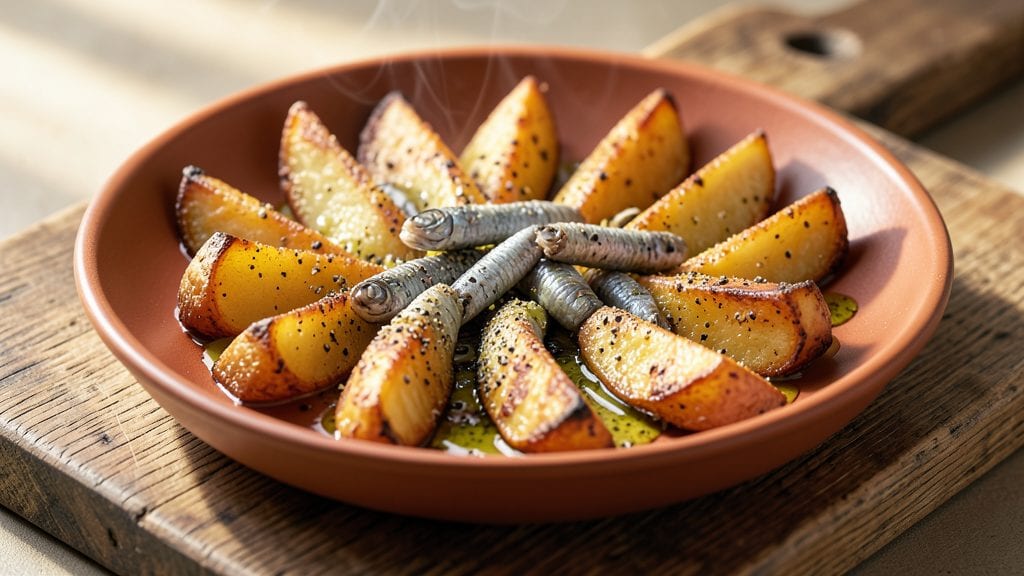
This potato anchovy recipe transforms simple potatoes into a crispy, umami-rich side dish that balances salty, savory notes perfectly. The secret lies in pairing tender potato wedges with the deep, briny flavor of anchovies—creating a dish that’s both rustic and refined.
I developed this after discovering how anchovies elevate humble potatoes, turning them into something extraordinary with minimal effort.
The technique is straightforward yet precise: roasting the potatoes until golden brown and crispy while infusing them with anchovy paste for that signature Mediterranean depth. No fancy equipment is needed—just a baking sheet, olive oil, and a pinch of patience.
The result? A dish that’s crisp on the outside, tender inside, and packed with layers of flavor that linger.
What sets this apart is how the anchovies work their magic—they melt into the potatoes during roasting, creating a salty, savory crust that’s impossible to resist. The aroma alone will have everyone at the table asking for seconds.
It’s the kind of side dish that turns ordinary meals into something special, proving that bold flavors can come from simple ingredients.
Perfect for pairing with grilled meats, seafood, or even as a standalone appetizer, these wedges are a game-changer for any dinner. Let’s get started—your taste buds will thank you.
Ingredients for potato anchovy
Nine essential ingredients transform humble potatoes into Mediterranean-inspired crispy wedges with deep umami flavor.
| Ingredient | Amount | Notes |
|---|---|---|
| Russet Potatoes 🥔 | 2 lbs | Cut into 1-inch wedges, skin on |
| Anchovy Fillets 🐟 | 4 oz | High-quality, packed in olive oil |
| Extra-Virgin Olive Oil 🫒 | ¼ cup | For tossing, fruity variety preferred |
| Dried Oregano 🌿 | 1 tsp | Mediterranean blend preferred |
| Garlic Powder 🧄 | 1 tsp | Freshly ground preferred |
| Diamond Crystal Kosher Salt 🧂 | 1 ½ tsp | Coarse grain for even coating |
| Freshly Ground Black Pepper 🌶️ | ½ tsp | For finishing, freshly cracked |
| Lemon Zest 🍋 | 1 tsp | From organic lemon, finely grated |
| Fresh Rosemary 🌿 | 1 tbsp | Finely chopped, aromatic variety |
| Unsalted Butter 🧈 | 2 tbsp | Melted, for brushing |
The potatoes are the foundation—Russet delivers the perfect crispy exterior while staying tender inside. Opt for organic when possible, as their thicker skins hold up better during roasting. Costco or local farm markets often carry high-quality Russets in bulk. For anchovies, high-quality fillets packed in olive oil (like Goya or Branca) are non-negotiable—they dissolve beautifully and provide that signature briny depth. Avoid the canned variety if you can; the texture and flavor difference is noticeable. The extra-virgin olive oil should be fruity and peppery, not mild. California Olive Ranch or Colavita are reliable choices for that authentic Mediterranean profile.
No anchovies? Substitute with 1 tbsp fish sauce plus 1 tsp soy sauce for umami, though the texture won’t be identical. Swap dried oregano for fresh oregano at half the amount if available—it adds brightness. For garlic powder, fresh minced garlic (2 cloves) elevates the dish significantly. If you’re avoiding butter, olive oil works in a pinch, though the richness will differ. The lemon zest can be omitted if you’re sensitive to acidity, but it balances the saltiness beautifully. For a more pronounced herbal note, substitute fresh thyme for rosemary—both work, but rosemary’s piney aroma complements the anchovies perfectly.
These wedges reheat beautifully—toss them in the oven at 400°F for 5-7 minutes to restore crispiness. Store leftovers in an airtight container for 3-4 days, though they’re best enjoyed fresh. For meal prep, roast an extra batch and freeze the wedges (uncooked) for up to 2 months. Once roasted, they’re best consumed within 2 days to maintain optimal texture. The anchovy flavor intensifies slightly over time, so don’t hesitate to make a double batch—they disappear fast.
Why You'll Love This Recipe
- One-Pan Magic: I swear by this for nights when I’d rather scroll than stand at the stove. Toss the potatoes in olive oil, sprinkle in the anchovies (they melt into salty richness), and let the oven do the work—no flipping, no fuss.
- Umami Bomb: That first bite of crispy potato with the briny, garlicky anchovy sauce? It’s the kind of flavor that makes you pause mid-chew. The dried oregano and garlic powder give it a Mediterranean punch without any fancy prep.
- Leftover Hero: I make a double batch on Sundays because it reheats like a dream—crispy edges soften just enough to be cozy, never soggy. Perfect for lunches or a quick dinner when you’re too tired to cook.
- Budget Game-Changer: Russets are cheap, anchovies are a steal in bulk, and olive oil stretches far. This feeds four for under $10 and still feels like a restaurant dish. Honestly, it’s my go-to when I’m pinching pennies but want something special.
Step-by-step instructions for umami-packed crispy potato wedges
Transform simple russet potatoes into restaurant-worthy wedges with intense salty depth and perfect crispiness.
Prepare and Season the Potato Wedges
Preheat your oven to 425°F while you prepare the potatoes. Cut the 2 lbs russet potatoes into 1-inch wedges, keeping the skin on for texture. Arrange them on two rimmed baking sheets in a single layer, ensuring they don't overlap—this prevents steaming and guarantees even crispiness.
In a small bowl, combine the 1.5 tsp diamond crystal kosher salt, 1 tsp garlic powder, 1 tsp dried oregano, 0.5 tsp freshly ground black pepper, and 1 tsp lemon zest. Toss the potato wedges with 0.25 cup extra-virgin olive oil until evenly coated, then sprinkle the seasoning mixture evenly over the potatoes. Use your hands to massage the seasoning into the wedges, ensuring every surface gets the flavorful coating. This step is critical for developing that signature salty depth and aromatic crust.
Create the Anchovy Paste for Maximum Umami
While the oven preheats, transfer the 4 oz anchovy fillets to a food processor. Pulse until you achieve a smooth, paste-like consistency—this should take about 10-15 seconds. The paste should be thick enough to cling to the potatoes without dripping.
In a small bowl, finely chop the 1 tbsp fresh rosemary. Transfer the anchovy paste to a shallow dish and mix in the chopped rosemary until evenly distributed. This creates a concentrated umami base that will infuse the potatoes with deep, salty-sweet flavor. The rosemary adds an aromatic brightness that balances the anchovy's intensity.
Roast Until Golden and Crispy
Arrange the seasoned potato wedges on the prepared baking sheets, spacing them ½ inch apart to allow for proper air circulation. Roast for 25 minutes, then carefully flip each wedge using a metal spatula. This ensures even browning on all surfaces. After flipping, return to the oven and continue roasting for another 20-25 minutes until the edges are deep golden brown and the wedges are fork-tender.
The wedges are done when they develop a crispy exterior with a slightly caramelized appearance and a fork slides in easily with minimal resistance. If they're browning too quickly, tent the baking sheets with aluminum foil for the last 10 minutes to prevent burning while still achieving crispiness.
Finish with Anchovy Paste and Butter
Remove the wedges from the oven and transfer them to a serving platter. Immediately brush each wedge with the melted 2 tbsp unsalted butter using a pastry brush. This step adds richness and helps create a glossy finish that enhances the crispy texture.
Working quickly, spread the anchovy-rosemary paste evenly over the wedges, ensuring full coverage. The residual heat from the potatoes will help the paste adhere and meld with the natural starches. Let the wedges rest for 2-3 minutes before serving to allow the flavors to fully integrate. The result should be wedges with crispy edges, tender interiors, and a complex umami-salt balance that lingers on the palate.
Pro Tips For Making Potato Anchovy
- PRE-COOK POTATOES HALF-HOUR: Toss peeled Russets in cold water for 30 minutes before slicing—keeps them from turning to mush when you fry or roast them later. I learned this the hard way after ending up with a sad, watery pile of potatoes.
- CRUSH ANCHOVIES FIRST: Smash the anchovy fillets with the flat of your knife before adding them to the oil—this dissolves them faster and spreads their umami deeper into the potatoes. Sounds weird, but it works: no more floating fishy bits.
- DON’T OVERCROWD THE PAN: Cook the potatoes in a single layer at first, even if it takes two batches—crowding steams them instead of browning. After burning three batches, I finally figured out patience pays off here.
- FINISH WITH COLD OIL: Drizzle the potatoes with a splash of extra-virgin olive oil off the heat at the very end—it cools them down, locks in moisture, and makes the oregano and garlic powder cling better. (Yes, even if you're impatient like me.)
Common mistakes when making perfect results
Over-Salting the Potatoes
Anchovies are already packed with salt, so adding too much kosher salt upfront can make your wedges inedibly salty. I’ve ruined batches by doubling the seasoning—trust me, it’s a bitter lesson. Stick to the 1.5 tsp kosher salt and taste the anchovy paste separately first.
If it tastes too intense, reduce the amount by 1 oz for a milder flavor. The goal is balance, not a salt bomb. 🧂
Skipping the Anchovy Paste Step
Don’t just sprinkle anchovy fillets on top like confetti—they won’t dissolve properly and you’ll miss out on that deep umami infusion. The key is blending them into a paste first.
I’ve seen people toss whole fillets onto the wedges mid-roast, but they just dry out and create an uneven, fishy texture. Process them into a smooth paste so every bite gets that briny, savory depth. 🐟
Uneven Roasting
Overcrowding the baking sheet or flipping too late leads to soggy centers and uneven browning. Arrange wedges in a single layer with ½-inch gaps and flip them at the 25-minute mark.
If your oven runs hot, lower the temp to 400°F—I’ve had to adjust this when using convection ovens, which can dry out the potatoes faster. Tent with foil for the last 10 minutes if they’re browning too quickly. 🔥
Adding Anchovies Too Late
Applying the anchovy paste after roasting won’t give it time to meld with the potatoes. The paste needs to cook into the wedges during the final 5-7 minutes of roasting. Brush it on right after flipping, and let the residual heat work its magic.
I’ve tried adding it post-roast, and it just sits on top like a sad, salty garnish. 💡
Using Low-Quality Anchovies
Cheap anchovies taste like fishy cardboard and won’t dissolve properly. Splurge on high-quality fillets packed in olive oil (like Branca or Goya). They’re pricier but make all the difference—your wedges will have that authentic, briny depth instead of a metallic aftertaste.
I’ve compared store-brand anchovies to premium ones, and the difference is night and day. 💰
Not Resting the Wedges
Serving these wedges immediately after roasting means missing out on the flavor integration. Let them rest for 2-3 minutes so the anchovy paste can fully absorb into the potatoes. I’ve rushed this step and ended up with wedges where the anchovy just slid off—patience pays off here.
The flavors meld during this time, creating that perfect umami-salt balance. ⏳
Nutrition facts
Frequently asked questions
Can I use canned anchovies instead of fillets for this recipe?
While canned anchovies will work in a pinch, fillets packed in olive oil create a smoother paste and better flavor. If using canned, drain them completely and rinse under cold water to remove excess salt. The texture won't be identical, but it still adds that briny depth. For best results, stick with high-quality fillets when possible.
How do I store leftovers without making them soggy?
Store in an airtight container for up to 3-4 days, but reheat properly to restore crispiness. Spread them on a baking sheet and warm at 400°F for 5-7 minutes until golden again. Avoid microwaving—they'll turn rubbery. For longer storage, freeze uncooked wedges for 2 months and roast fresh when ready.
What's the best way to adjust this for a vegetarian version?
Replace anchovies with 1 tbsp fish sauce + 1 tsp soy sauce for umami, or use ½ cup nutritional yeast for a cheesy, savory alternative. Add 1 tsp smoked paprika to enhance depth. The texture won't be identical, but it maintains that salty-sweet balance. For extra richness, brush with melted butter before serving.
Can I make these wedges in an air fryer?
Preheat to 400°F and cook in batches (don't overcrowd) for 15-18 minutes, flipping halfway. The air fryer gives even crispiness with less oil. For the anchovy paste step, brush it on after air frying while still hot. Watch closely after 12 minutes—air fryers can crisp faster than ovens.
Why do my wedges taste bland after adding anchovies?
Anchovies need heat to release their full flavor. If they taste bland, they weren't cooked long enough. Brush the paste on after flipping and let them roast 5-7 more minutes to meld flavors. Also check your seasoning—add ½ tsp extra garlic powder or lemon zest to brighten the dish. The butter finish helps too!