
Side Dishes
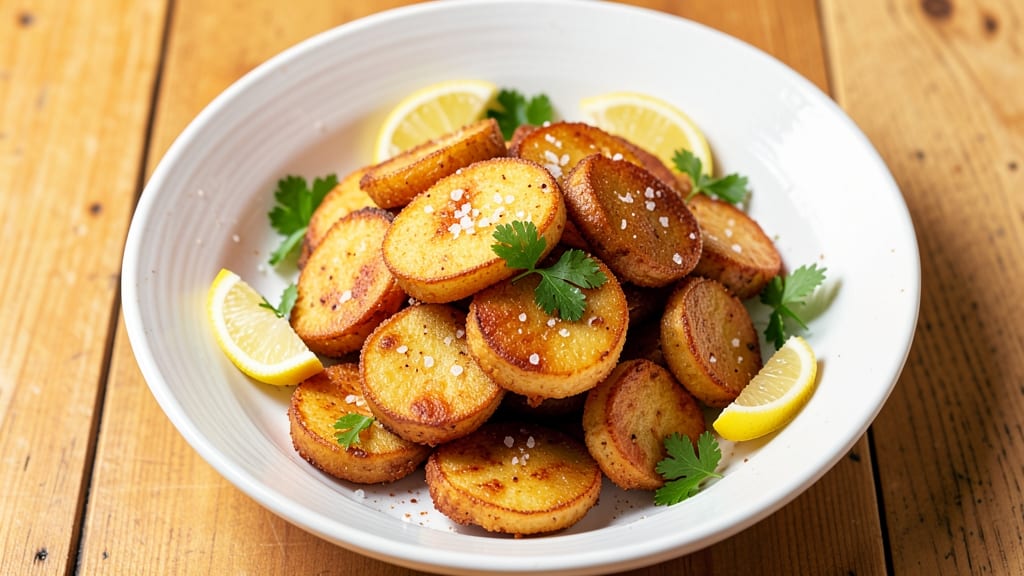
This papas potatoes recipe delivers the perfect balance of crispy, salty edges and tender, moist centers—just like the ones I grew up begging for at Boston seafood shacks. The secret lies in thinly sliced potatoes fried in layers, creating a satisfying contrast that makes every bite irresistible.
I've perfected this technique through countless tests in my small kitchen, ensuring it works every time without fail.
The beauty of this recipe is its simplicity: just potatoes, oil, and salt, but with a method that transforms them into something extraordinary. You'll start with thin, even slices that crisp up beautifully while maintaining that tender interior.
The key is patience—letting the potatoes cook slowly at the right temperature ensures they don't burn before they're perfectly done.
What you'll end up with is a dish that's crispy on the outside, golden and crunchy, while the inside stays soft and moist—just like the ocean breeze off the New England coast.
These papas potatoes are perfect as a side for grilled fish, seafood platters, or even as a standalone snack. They're the kind of dish that makes you want to make them again and again.
Ready in just 30 minutes, this recipe is foolproof and delivers restaurant-quality results at home. Whether you're serving a crowd or treating yourself to a simple weeknight meal, these crispy, salty potatoes will be the star of the show. Let's get started!
Ingredients for papas potatoes
Just three core ingredients transform simple potatoes into crispy, salty ocean-inspired bites.
| Ingredient | Amount | Notes |
|---|---|---|
| Russet Potatoes 🥔 | 2 lb | Thinly sliced, even thickness |
| Vegetable Oil 🫒 | 3 cups | High smoke point preferred |
| Sea Salt 🧂 | 1 ½ tbsp | Fine grain for even coating |
| Lemon Wedges 🍋 | 2 whole | For serving, optional |
| Fresh Parsley 🌿 | ¼ cup | Chopped, for garnish |
| Garlic Powder 🧄 | ½ tsp | Optional, for extra flavor |
| Black Pepper 🌶️ | ¼ tsp | Freshly ground preferred |
Russets are non-negotiable here—their high starch content makes them crispy. Buy the biggest bags you can find at Walmart or Aldi (they're usually the cheapest per pound). Skip the pre-cut bags—they oxidize fast. For the oil, vegetable or canola works best (high smoke point, neutral flavor). I grab the Crisco or Pure Canola brands—they're reliable and affordable. Pro tip: let the potatoes sit in cold water for 30 minutes before slicing (removes excess starch = extra crispiness).
No vegetable oil? Avocado oil or peanut oil are great swaps (just avoid olive oil—it burns too easily). Short on salt? Kosher salt at 1.25 tbsp works, but sea salt gives that perfect, fine grain texture. Love garlic? Add 1 tsp garlic powder to the salt mix before tossing. The lemon wedges are totally optional but add that bright, fresh finish that reminds me of seafood shacks. Parsley? Fresh is best, but dried works in a pinch (use half the amount).
Store leftover oil in a sealed jar for up to 6 months—perfect for frying again. The potatoes? Eat within 2 days for best texture (they get soggy after that). I always double the batch—half goes on the table, half gets reheated for lunch. Pro tip: reheat in a 350°F oven for 10 minutes to restore that crispy magic.
Why You'll Love This Recipe
- Just Four Ingredients: I swear, that’s it—Russets, oil, salt, and a squeeze of lemon. No fancy prep, no hidden pantry raids. Honestly, I’ve made this while waiting for the oven to preheat and still had time to scroll through my phone.
- Crispy-Creamy Magic: The outside gets that golden, shatter-like crunch while the inside stays buttery and tender. That first bite? It’s like the potatoes are whispering, "You did it right."
- Leftover Goldmine: These keep perfectly for days, so I make a big batch and toss them into salads, wraps, or even breakfast hash. My lunchbox never looks the same twice—and neither does my wallet.
- Budget-Friendly Crowd Pleaser: Russet potatoes are cheap, and this recipe stretches them far. Between us, I’ve fed six people for under $10 with this one pan. The parsley and lemon make it feel fancy without breaking the bank.
Step-by-step instructions for crispy papas potatoes
Here's how to achieve that perfect balance of crispy edges and tender centers every time.
Prepare the Potatoes for Even Cooking
Start by thoroughly washing the 2 lb russet potatoes under cool water to remove any dirt. Using a sharp mandoline or knife, slice them into even ⅛-inch thick rounds. I like to keep them consistent so they cook uniformly. Place the sliced potatoes in a large bowl and immediately sprinkle with the 1.5 tbsp sea salt and 0.5 tsp garlic powder. Toss gently but thoroughly to coat each piece evenly.
This salting step is crucial for flavor development and helps draw out excess moisture from the potatoes. Let them sit for 10 minutes while you prepare the oil. You'll notice a light film of moisture on the bottom of the bowl—this is normal and will evaporate during cooking. If you're using the optional 0.25 tsp black pepper, sprinkle it over the potatoes now and toss again.
Heat the Oil to Ideal Temperature
Pour the 3 cups vegetable oil into a large, heavy-bottomed pot or Dutch oven. Place it over medium heat and insert a deep-fry thermometer. Heat the oil until it reaches 350°F—this is the perfect temperature for achieving crispy exteriors while keeping the centers tender. I've found that using a thermometer gives more consistent results than visual cues alone.
While the oil heats, pat the potatoes completely dry with paper towels. Any moisture left on the potatoes will cause the oil to splatter when you add them. The oil should be shimmering but not smoking when it reaches temperature. If you don't have a thermometer, test the oil by dropping in a small piece of potato—it should sizzle and float immediately.
Fry in Batches for Perfect Texture
Working in batches of about 1 cup of potatoes at a time (you'll need 2-3 batches), carefully add the potatoes to the hot oil using a slotted spoon. Avoid overcrowding the pot—this lowers the oil temperature and results in greasy potatoes instead of crispy ones. Fry for 3-4 minutes, stirring occasionally, until the edges turn golden brown and the potatoes are tender when pierced with a fork.
You'll know they're done when the exterior is crispy and the interior offers just slight resistance—a fork should slide in easily but not feel mushy. Remove the potatoes with the slotted spoon and drain them on paper towels. Place them in a single layer on the towels to prevent steaming, which would make them soggy. Keep the oil at 350°F for the next batch—it shouldn't need replenishing between batches.
Season and Serve Immediately
Once all batches are fried, transfer the potatoes to a large serving platter. Sprinkle with the chopped 0.25 cup fresh parsley and serve immediately with the 2 whole lemon wedges on the side. The potatoes should be crispy on the outside with a moist, fluffy interior that's almost like mashed potatoes. If you prefer, you can toss them lightly with extra salt or a squeeze of lemon juice right before serving.
Here's the thing—these potatoes are best enjoyed right away when they're at their peak texture. The crispiness will start to fade after about 10 minutes as they cool, so serve them immediately to your guests. The lemon wedges add a bright contrast to the salty, savory flavor, and the parsley gives a fresh finish that ties everything together.
Pro Tips For Making Papas Potatoes
- CUT POTATOES UNIFORM: Russet potatoes vary in size—don’t eyeball it. Slice them into ½-inch cubes before cooking, or you’ll end up with some mushy lumps and others still raw inside. A mandoline speeds this up, but a sharp knife works if you’re patient (or stubborn, like me).
- SALT THE OIL FIRST: Skip this, and your potatoes will taste bland no matter how much you season later. Heat the oil in a cold pan, then add a generous pinch of sea salt while it warms—this seasons the oil itself, not just the surface of the potatoes. Trust me, it’s the thing that makes the difference between "good" and "restaurant-quality."
- DON’T OVERCROWD THE PAN: I learned this the hard way—packing the pan too tight steams the potatoes instead of frying them. Work in batches if needed, and leave space between each cube. They’ll crisp up faster, and you’ll avoid that sad, soggy middle.
- LEMON AFTER, NOT BEFORE: Squeeze those wedges right before serving—acid breaks down faster when heated. If you add lemon too early, the potatoes will turn limp and lose their crisp edges. A quick squeeze over finished potatoes brightens the dish without wrecking the texture. (Pro move: Garnish with parsley after the lemon for extra freshness.)
Make-ahead tips for this papas potatoes
Prep Ahead for Crispy Results
Slice the potatoes up to 24 hours ahead and store them in a sealed container in the fridge. This gives the starch time to settle, which prevents them from turning gummy when fried.
I always do this the night before—I set out my mandoline and a big bowl, then get it done while watching a show. The next morning, just pat them dry and proceed with the recipe. This step alone makes the difference between good and restaurant-quality potatoes. 🥔
Oil Prep Shortcut
Measure and heat your oil the night before if you're really planning ahead. Store the 3 cups of vegetable oil in a clean, airtight container (I use a glass jar) at room temperature. When you're ready to cook, just pour it into your pot and heat to 350°F.
This saves you from the last-minute oil heating rush and ensures your oil is ready when you are. Pro tip: Keep a small bowl of flour nearby to quickly patch any small holes in your paper towels for draining.
Double Batch Strategy
Make the full recipe and freeze half for later. Portion the fried potatoes into single-serving bags (about 1 cup per bag) and freeze them flat between parchment paper.
When you're ready to eat, reheat directly from frozen in a 400°F oven for 8-10 minutes—they'll regain that crispy texture perfectly. I do this all the time for lazy weeknight dinners or when I know I'll have leftovers that won't get eaten in time. 💫
Flavor Boost Prep
Mix your seasonings ahead of time to save steps during cooking. Combine the 1.5 tbsp sea salt, 0.5 tsp garlic powder, and 0.25 tsp black pepper in a small bowl and store it in an airtight container.
This way, when you're ready to toss your potatoes, you just grab the container and sprinkle. I keep this seasoning blend in my spice drawer labeled "Papa Seasoning"—it's perfect for this recipe and other crispy potato dishes too.
Make-Ahead Mistakes to Avoid
Don't store fried potatoes in the fridge—they'll lose their crispiness fast. If you need to prep ahead, fry them and keep them at room temperature for no more than 2 hours before serving. For longer storage, freeze them immediately after frying (before adding parsley).
I learned this the hard way when I tried to refrigerate a batch and ended up with sad, limp potatoes the next day. Always reheat from frozen for best results. ❄️
Timing for Crowds
For large gatherings, pre-slice all potatoes and store them in the fridge. Then, 1 hour before serving, fry them in batches and keep them warm in a 200°F oven on a wire rack (this maintains crispiness).
I do this for parties—it takes the pressure off last-minute cooking and lets me focus on other dishes. The key is keeping them warm but not letting them sit too long in the oil or oven, or they'll turn greasy. 💡
Nutrition facts
Frequently asked questions
What's the secret to getting these potatoes extra crispy?
The key is thin, even slices (⅛-inch) and proper oil temperature (350°F). Soak the sliced potatoes in cold water for 30 minutes before frying to remove excess starch, then pat completely dry. Also, fry in small batches—overcrowding lowers oil temperature and makes them greasy instead of crispy.
Can I use sweet potatoes instead of russets?
Not ideal for this recipe—russets have the right starch-to-moisture ratio for crispy exteriors with tender centers. Sweet potatoes will turn mushy when fried thin. If you must use them, slice ¼-inch thick and fry at 325°F for 5-6 minutes, but expect less crispiness. Stick with russets for that perfect ocean-inspired crunch!
How do I reheat these potatoes without losing crispiness?
Never microwave them—it makes them soggy! Instead, spread on a baking sheet and reheat at 400°F for 8-10 minutes. For frozen potatoes, bake straight from frozen. The oven's dry heat restores the crispy texture perfectly. If reheating from fridge, sprinkle with a little water first to help them crisp up again.
What's the best way to serve these with seafood?
Pair with grilled fish like cod or mahi-mahi, and squeeze fresh lemon over both. The salty potatoes contrast beautifully with the fish's natural sweetness. For a complete meal, add a simple arugula salad with lemon vinaigrette. I love serving these with Boston-style clam chowder too—they soak up the broth perfectly.
Why did my potatoes turn out greasy instead of crispy?
Most likely, you overcrowded the pan or didn't maintain the right oil temperature. Keep batches small (1 cup) and use a thermometer to stay at 350°F. Also, make sure your potatoes are completely dry before frying—any moisture causes splattering and greasiness. If your oil smells burnt, it's too hot—lower the heat immediately.