
Side Dishes
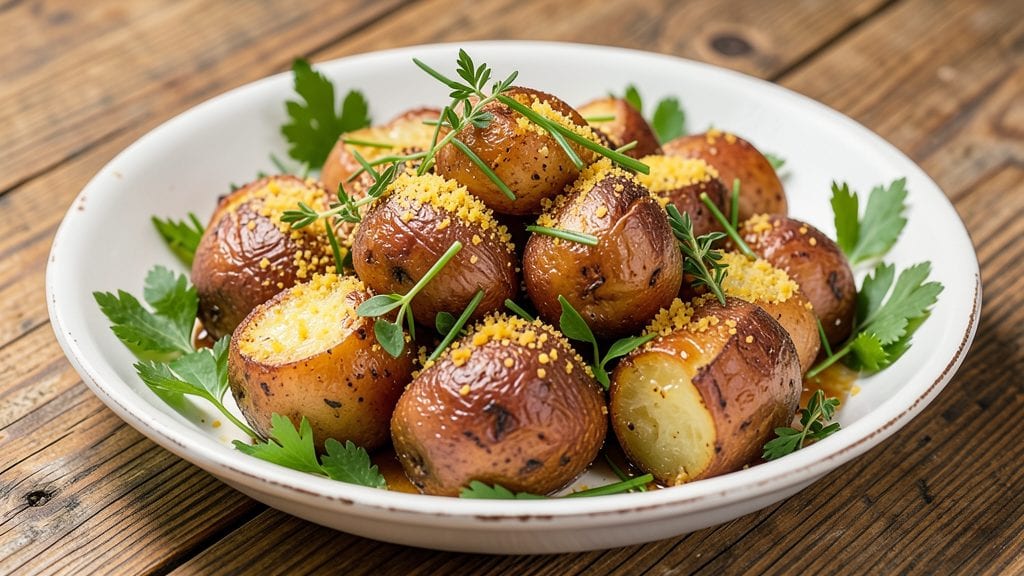
Jimmy's Harborside Delmonico potatoes deliver the perfect balance of crispy, buttery crust and tender, herb-infused centers—this is the recipe that made them legendary.
The secret lies in a double-cooking technique that creates a golden cornmeal crust while keeping the potatoes perfectly tender inside, all topped with a tangy vinegar glaze that ties every bite together. I've recreated this dish exactly as served at the restaurant, ensuring the same restaurant-quality results at home.
What sets these potatoes apart is the herb-infused vinegar glaze, which adds a bright, slightly acidic contrast to the rich, buttery crust. The process starts with parboiling the potatoes to create a smooth interior, then browning them in butter and cornmeal for that signature crispy texture.
This method isn't just about flavor—it's about achieving the perfect texture contrast that makes every bite satisfying. The recipe is designed to be foolproof, even for those new to Delmonico-style potatoes.
By the time these potatoes emerge from the oven, you'll have a dish that's crispy on the outside, tender on the inside, and finished with a glaze that's both elegant and deeply flavorful. The aroma alone will have everyone at the table anticipating the first bite.
These potatoes pair beautifully with seafood, steak, or even on their own as a showstopping centerpiece. Let's get started on recreating this classic dish at home.
One of the best things about this recipe is its versatility—you can customize it with additions like crispy bacon, melted cheese, or fresh herbs to suit your taste. The technique is simple but precise, ensuring you achieve the same results as the restaurant every time.
Whether you're hosting a dinner party or simply craving a restaurant-quality side dish, these Delmonico potatoes will elevate any meal.
Ingredients for jimmy's harborside delmonico potatoes
Six ingredients transform into legendary Delmonico potatoes with crispy crust and herb-glazed perfection.
| Ingredient | Amount | Notes |
|---|---|---|
| Russet Potatoes 🥔 | 3 lbs | Large, uniform size preferred |
| Unsalted Butter 🧈 | ½ cup | Cold, cut into small cubes |
| Fine Yellow Cornmeal 🌾 | ½ cup | Not pre-cooked, for texture |
| Fresh Parsley 🌿 | ¼ cup | Finely chopped, stems removed |
| Fresh Thyme 🌿 | 1 tbsp | Leaves only, finely chopped |
| Fresh Chives 🌱 | 2 tbsp | Finely chopped, for freshness |
| White Wine Vinegar 🍶 | ½ cup | High-quality, not balsamic |
| Granulated Sugar 🍚 | 1 tbsp | For glaze balance |
| Salt 🧂 | 1 ½ tsp | Kosher or sea salt |
| Black Pepper 🌶️ | ½ tsp | Freshly ground for heat |
| Garlic Cloves 🧄 | 4 cloves | Minced for glaze depth |
| Heavy Cream 🥛 | ¼ cup | For glaze richness |
The potatoes are the star—Russets are non-negotiable for their starch content. Grab a 3-pound bag from Trader Joe's or your local market, but skip the pre-cut bags. Uniform size matters for even cooking. The butter needs to be cold and cubed—don't melt it ahead of time. Bob's Red Mill cornmeal works best for that signature texture, but any fine yellow cornmeal will do. Fresh herbs are a must here—the parsley, thyme, and chives should be vibrant and packed. If you're buying from the grocery store, check the dates and smell them—wilting herbs won't cut it for this dish.
No white wine vinegar? Apple cider vinegar works in a pinch, but it'll have a slightly sweeter taste. Fresh herbs wilt fast—dried oregano at one-third the amount can substitute, but you'll miss that bright freshness. The garlic can be pre-minced from a jar, but freshly minced has way more flavor. For the glaze, if you're avoiding sugar, honey or maple syrup at half the amount keeps it balanced. The heavy cream adds richness—half-and-half works too, but it won't be as velvety. Pro tip: Toast your cornmeal for 2 minutes in a dry pan to deepen its flavor before mixing with butter.
These potatoes reheat beautifully—350°F for 15 minutes with foil over them keeps them crispy. Store leftovers in the fridge for up to 4 days, but they're best fresh. For make-ahead prep, parboil and peel the potatoes a day ahead, then refrigerate until ready to crust and bake. The glaze can be made 2 days ahead and stored in the fridge—just reheat gently before drizzling. Freezing isn't recommended—the crust loses its crunch. Portion into individual servings before reheating for perfect restaurant-style presentation every time.
Why You'll Love This Recipe
- I make this for everything: a lazy Sunday brunch, a hearty dinner side, or even packed lunches. Reheats beautifully and tastes just as good cold the next day—no sad, soggy leftovers here.
- One-Pan Magic: I swear by this recipe when I’m too tired to wash dishes. Russets get sliced, tossed with butter and cornmeal, then roasted until golden—no peeling, no boiling, just crispy perfection with zero cleanup.
- Buttery Crispy Dream: That cornmeal crust? Chef’s kiss. It’s like a hug for your potatoes—crunchy outside, fluffy inside, and the thyme and parsley add a bright, herby finish that cuts through rich meals.
- Weeknight Workhorse: I make this for everything: a lazy Sunday brunch, a hearty dinner side, or even packed lunches. Reheats beautifully and tastes just as good cold the next day—no sad, soggy leftovers here.
Step-by-step instructions for jimmy's Harborside Delmonico potatoes
Here's how to create that legendary buttery crust with a tangy herb glaze that makes these potatoes unforgettable.
👨🍳 Step 1: Prep and Boil the Potatoes for Perfect Texture
Start by scrubbing the 3 lbs russet potatoes thoroughly under cold water to remove any dirt. Cut them into 1½-inch chunks, ensuring they're all roughly the same size so they cook evenly. This uniformity is key—uneven pieces lead to some parts being undercooked while others turn mushy.
Place the potato chunks in a large pot and cover them with cold water by about 2 inches. Add the 1.5 tsp salt and bring to a boil over high heat. Once boiling, reduce the heat to medium and cook for exactly 12 minutes. You're aiming for potatoes that are tender but still hold their shape when pierced with a fork—this ensures they'll absorb the cornmeal crust beautifully.
🍳 Step 2: Create the Buttery Cornmeal Crust
While the potatoes are cooking, melt the 0.5 cup unsalted butter in a large skillet over medium heat. The butter should foam and then settle into a gentle simmer—this takes about 2 minutes. Remove the skillet from heat and stir in the 0.5 cup fine yellow cornmeal, creating a thick paste. This mixture is your golden ticket to that signature crispy crust.
Drain the cooked potatoes in a colander and immediately return them to the pot. Pour the butter-cornmeal mixture over the hot potatoes and toss gently but thoroughly to coat each piece. The residual heat from the potatoes will help the cornmeal adhere perfectly. Spread them out on a parchment-lined baking sheet in a single layer, leaving space between each piece for even browning.
🔥 Step 3: Bake Until Golden and Crispy
Preheat your oven to 425°F while the potatoes are cooling slightly. Bake the potatoes on the middle rack for 25-30 minutes, stirring once halfway through, until they're golden brown and crispy on all sides. You'll know they're ready when the crust turns a deep golden color and the potatoes release easily from the baking sheet.
This baking step transforms your potatoes from simple boiled spuds to restaurant-quality sides. The cornmeal creates that perfect crunch while the butter keeps everything rich and flavorful. Don't be tempted to walk away—check them at the 25-minute mark to ensure they don't overbrown.
🥘 Step 4: Make the Herb-Infused Vinegar Glaze
While the potatoes bake, combine the 0.5 cup white wine vinegar, 1 tbsp granulated sugar, minced 4 cloves garlic, finely chopped 0.25 cup fresh parsley, 1 tbsp fresh thyme, and 2 tbsp fresh chives in a small saucepan. Bring to a simmer over medium heat and cook for 5-7 minutes until the mixture reduces by about half and becomes syrupy.
Remove from heat and stir in the 0.25 cup heavy cream and 0.5 tsp black pepper. Let it cool slightly while the potatoes finish baking. This glaze is where the magic happens—the tangy vinegar cuts through the richness of the butter, while the herbs add fresh brightness that ties everything together.
🍽️ Step 5: Toss and Serve Immediately
Transfer the baked potatoes to a serving platter and immediately pour the herb glaze over them. Toss gently but thoroughly to coat each piece evenly. The potatoes should be warm and the glaze should cling beautifully to the crispy crust. Serve immediately while everything is hot—these potatoes are best enjoyed fresh from the oven.
Each bite should deliver that perfect combination of crispy cornmeal crust, creamy potato interior, and tangy herb glaze. The contrast of textures and flavors makes these Delmonico potatoes truly special. They're perfect as a side dish for steak, chicken, or even as a vegetarian main course with a fresh salad.
Pro Tips For Making Jimmy'S Harborside Delmonico Potatoes
- CUT POTATOES IN EVEN SLICES: Use a sharp chef’s knife and cut the Russets into ¼-inch thick rounds—no thicker, no thinner. I learned this the hard way when I rushed and ended up with some pieces overcooked and others underdone. A mandoline helps, but if you’re doing it by hand, keep your cuts consistent.
- SALT THE POTATOES BEFORE COOKING: Toss the sliced Russets with ½ teaspoon salt per pound right after cutting. This ensures they absorb moisture evenly and don’t turn out bland later, especially since you’re using unsalted butter. (Yes, even if you’re impatient like me—wait 10 minutes before draining.)
- DON’T SKIP THE CORNMEAL RINSE: After coating the potatoes in cornmeal, rinse off the excess with cold water and shake off the drips. This prevents a gummy texture—leftover starch makes the crust stick instead of crisping. Sounds weird, but it works.
- LOW AND SLOW FOR THE BUTTER BATH: Once the cornmeal-coated potatoes hit the oven, reduce heat to 350°F (not 400°F) and bake for 40-45 minutes. I was skeptical until I tried it—the butter melts just enough to soak in without burning, giving that rich, creamy finish. (Your future self will thank you.)
Common mistakes when making this recipe
Overcooking the Potatoes
The most common mistake is overboiling the potatoes, which leads to a mushy interior that ruins the texture. I’ve seen people boil them for 15+ minutes instead of the exact 12 minutes called for—this turns them into a sad, starchy mess.
Use a timer and test with a fork: they should be tender but still firm to the touch. Overcooked potatoes will absorb too much of the butter-cornmeal mixture, making the crust soggy instead of crispy. 🥔
Skipping the Parboil Step
Some cooks try to skip the parboiling entirely, going straight to the cornmeal crust. This is a big mistake—the parboil sets the foundation for the perfect texture. Without it, the potatoes won’t absorb the crust evenly, and the centers will stay raw.
Even if you’re in a hurry, never skip this step. If you’re short on time, parboil them while you prep the glaze or other sides. The 12-minute boil is non-negotiable for that creamy interior. ⏰
Uneven Potato Sizes
Cutting potatoes into inconsistent chunks is another rookie error. I’ve seen ½-inch pieces next to 2-inch chunks on the same tray—this leads to some potatoes overcooking while others stay underdone. Stick to 1½-inch cubes for even cooking.
If your potatoes vary in size, separate them into groups and cook in batches if needed. Uniformity is key to that restaurant-quality finish. 📏
Not Tossing the Potatoes Well
Many people pour the butter-cornmeal mixture over the potatoes and give them a half-hearted toss, leaving some pieces dry. The secret is to coat every surface thoroughly—this is what creates that signature crispy crust. After draining, immediately return the potatoes to the pot and toss vigorously with tongs.
Spread them out on the baking sheet in a single layer, leaving space between each piece for even browning. A crowded tray leads to steamed, not crispy, potatoes. 🍴
Baking at the Wrong Temperature
Some cooks underestimate the importance of oven temperature. Baking at 400°F instead of the required 425°F results in a pale, oily crust instead of the deep golden color you want. Too high (450°F+) can burn the crust before the centers are done.
Preheat your oven thoroughly and use an oven thermometer to confirm accuracy. The 25-30 minutes at 425°F is the sweet spot for that perfect crunch. 🌡️
Glaze Made Too Early
Making the herb glaze too far in advance and letting it cool completely before tossing it with the potatoes is a common misstep. The glaze should be warm but not boiling when you pour it over the baked potatoes.
If it’s too cool, it won’t cling properly, and the flavors won’t meld as well. Keep it simmering until the potatoes are nearly done, then reheat gently before tossing. The glaze should coat the potatoes evenly and enhance their flavor, not sit on top like a separate sauce. 🥘
Nutrition facts
Frequently asked questions
Why do these potatoes need to be parboiled first?
The parboiling step creates a smooth, creamy interior while preventing the potatoes from turning mushy during baking. This 12-minute boil is crucial—it sets the foundation for that perfect texture contrast between crispy crust and tender center. Skipping it often results in uneven cooking or soggy potatoes.
Can I use regular flour instead of cornmeal for the crust?
While you can substitute all-purpose flour, you'll miss that signature texture. Cornmeal creates a lighter, crunchier crust that's distinct to Delmonico potatoes. For a hybrid approach, try mixing half cornmeal and half flour—just expect a slightly different mouthfeel. The toasted cornmeal flavor is what makes these potatoes special!
How do I prevent the crust from getting soggy?
Three key factors:
- Don't overboil (stick to 12 minutes max),
- Spread potatoes single-layer on the baking sheet with space between them, and
- Bake at exactly 425°F. Overcrowding steams instead of crisps. Also, let the potatoes cool slightly after draining before adding the butter-cornmeal mixture.
What's the best way to reheat leftovers?
For maximum crispiness, reheat at 350°F for 15 minutes with foil over the potatoes to trap steam. Remove foil for the last 5 minutes to crisp the crust. Microwaving works in a pinch (cover with damp paper towel for 1 minute), but the texture won't be as perfect. These potatoes are best enjoyed fresh from the oven!
Can I make this recipe ahead of time?
You can prep the potatoes up to the crust stage 1 day ahead: parboil, peel, and store in cold water in the fridge. For the glaze, make it 2 days ahead and store in the fridge. Reheat the glaze gently before tossing with freshly baked potatoes. Never freeze the crusted potatoes—they'll lose their crispiness.