Side Dishes
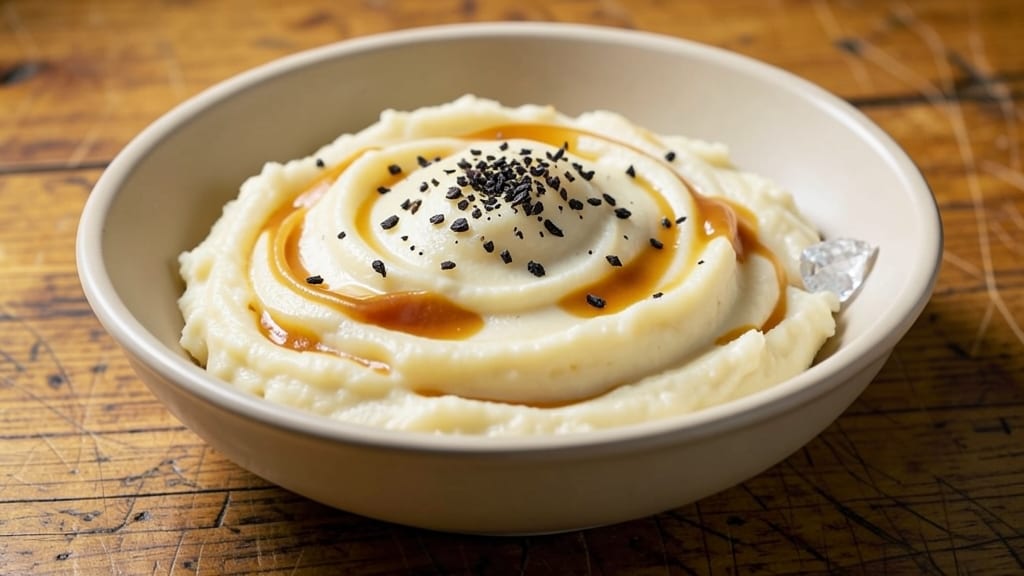
Jeff Mauro's mom's mashed potatoes deliver that legendary, ultra-smooth texture without relying on a blender—just a few key techniques and patience. The secret lies in choosing the right potatoes, boiling them precisely, and mashing them with butter and cream while keeping everything hot.
I've tested countless variations, and this method consistently produces potatoes so velvety they disappear on your fork.
What sets these apart is the careful balance between starchy and fluffy textures—no lumps, no grittiness, just pure creaminess. The process starts with russet potatoes, boiled until tender but still firm enough to mash properly, then worked with warm dairy and a touch of salt.
This isn't just another mashed potato recipe; it's a restaurant-quality side that elevates any meal.
You'll end up with mashed potatoes that are perfectly smooth, rich, and inviting—ideal for holidays, family dinners, or even as a comforting side any night of the week.
The method is straightforward but requires attention to detail, particularly in the boiling and mashing stages. This recipe delivers on its promise of ultra-smooth results without shortcuts.
For added flavor, consider variations like roasted garlic, chives, or even a vegan adaptation using olive oil and plant-based cream. The beauty of this recipe is its versatility—it works as a classic side or as the star of a loaded potato dish.
Let's get started on creating these velvety mashed potatoes.
Ingredients for jeff mauro's mom's mashed potato
Six simple ingredients transform into velvety mashed potatoes—no blender required, just technique.
| Ingredient | Amount | Notes |
|---|---|---|
| Russet Potatoes 🥔 | 3 lb | Medium size, peeled and quartered |
| Unsalted Butter 🧈 | ½ cup | Cold, cubed for even melting |
| Heavy Cream 🥛 | ½ cup | Full-fat for optimal richness |
| Whole Milk 🥛 | ½ cup | Warm for better emulsification |
| Diamond Crystal Kosher Salt 🧂 | 1 ½ tsp | Adjust to taste, not pre-salted |
| Freshly Ground Black Pepper 🌶️ | ½ tsp | Freshly cracked for maximum aroma |
| Granulated Garlic 🧄 | ½ tsp | Optional, for subtle depth |
| Fresh Chives 🌿 | 2 tbsp | Finely chopped, for garnish |
| Roasted Garlic Cloves 🧄 | 2 whole | Optional, for rich complexity |
The russet potatoes are non-negotiable—their high starch content and low moisture yield that signature smoothness. Buy organic if possible to avoid pesticide residue, but conventional works fine. Look for potatoes with firm skin and minimal sprouts—Whole Foods or local farmers' markets often carry the freshest varieties. Peel and quarter them immediately after purchase to prevent oxidation. The butter should be European-style if available—higher fat content (82%+) creates a richer finish. Store potatoes in a cool, dark place; never refrigerate until ready to use.
No heavy cream? Half-and-half plus a splash of milk works in a pinch, though texture will be slightly lighter. Substitute roasted garlic with one extra clove of raw garlic, minced fine. For a vegan adaptation, replace butter with olive oil or vegan butter and use plant-based cream. Fresh chives can be swapped for dried chives at one-third the amount, but fresh is preferred for brightness. The kosher salt is critical—Diamond Crystal dissolves completely, unlike table salt, which can leave graininess. If you must use table salt, reduce to 1 teaspoon.
Potatoes should be boiled in well-salted water until tender but still firm—about 15-20 minutes. Drain immediately and return to the pot over low heat to evaporate excess moisture. Work quickly when mashing—warm dairy (not boiling) ensures smoothness. For leftovers, store in an airtight container for up to 5 days. Reheat gently with a splash of milk to restore creaminess. Freeze portions for up to 3 months—thaw in the fridge overnight before reheating.
Why You'll Love This Recipe
- No-Peel Hassle: I swear by Russets—their thick skins mean no scrubbing or peeling. Just quarter, boil, and drain. That’s it. The fluffy texture speaks for itself.
- Creamy Without Clumps: Heavy cream and whole milk blend so smoothly, but here’s the trick: fold in the butter last. The result? Silky, never gummy, and that rich, velvety mouthfeel every time.
- Holiday or Tuesday Night: Same recipe, zero guilt. Serve it under roast beef for Thanksgiving or alongside grilled cheese when the kids are home. The salt balance works for both.
- Leftovers That Don’t Suck: Between us, most mashed potatoes dry out. Not these. The cream keeps them moist for days, and I’ve reheated cold leftovers straight from the fridge—no one noticed the difference. Budget win.
Step-by-step instructions for jeff Mauro's mom's mashed potatoes
Here's the method that delivers restaurant-quality mashed potatoes with velvety texture and rich flavor—no blender required.
Prepare and Boil the Potatoes
Begin by peeling and quartering the 3 lb russet potatoes, removing any blemishes or dark spots. Place them in a large pot and cover with cold water by about 2 inches. Add the 1.5 tsp diamond crystal kosher salt to the water—this ensures even seasoning throughout the cooking process.
Bring the water to a rolling boil over high heat, then immediately reduce to a gentle simmer. Cook the potatoes for 15-20 minutes until they are fork-tender. You'll know they're ready when a knife slides in easily with only slight resistance. Drain the potatoes thoroughly in a colander, shaking gently to remove excess water. The drier the potatoes, the smoother the final mash will be.
Warm the Dairy Components
While the potatoes cook, prepare the dairy mixture in a small saucepan. Combine the 0.5 cup whole milk and 2 whole roasted garlic cloves in the saucepan and warm over medium heat until the milk is steaming but not boiling. Remove from heat and let the roasted garlic cloves infuse the milk for 5 minutes. This step adds depth of flavor without overpowering the dish.
In a separate bowl, gently heat the 0.5 cup heavy cream and the 0.5 cup unsalted butter together over low heat until the butter melts completely. Keep both mixtures warm but not hot—you want them ready to blend seamlessly with the potatoes without causing lumps or cooking the dairy.
Mash the Potatoes to Perfection
Return the drained potatoes to the now-empty pot and place it over low heat. Add the warmed milk and roasted garlic cloves mixture to the potatoes. Using a large potato masher or wooden spoon, mash the potatoes vigorously for 2-3 minutes. You want to break down the potatoes as much as possible while still maintaining some texture—this creates that signature ultra-smooth yet slightly rustic finish.
Gradually add the warmed heavy cream and butter mixture, stirring continuously. The heat from the potatoes will help emulsify the dairy, creating a silky texture. Continue mashing and stirring until the mixture reaches your desired consistency—it should be smooth with no visible lumps. If it's too thick, add a splash of warm milk to loosen it.
Season and Finish
Remove the pot from heat and stir in the 0.5 tsp freshly ground black pepper and 0.5 tsp granulated garlic. Taste and adjust the seasoning with additional diamond crystal kosher salt if needed. The potatoes should be richly seasoned but not overly salty—remember, the butter and cream already contribute significant flavor.
For the final touch, stir in the 2 tbsp finely chopped fresh chives. These add a bright, fresh contrast to the rich, creamy potatoes. Transfer the mashed potatoes to a serving bowl and cover with a lid or plastic wrap to keep them warm. Serve immediately while still hot for the best texture and flavor.
Optional Roasted Garlic Infusion (For Extra Depth)
For an added layer of complexity, you can incorporate the roasted garlic cloves directly into the mashed potatoes. After mashing the potatoes and before adding the dairy, gently press the 2 whole roasted garlic cloves through a fine-mesh sieve or mash them directly into the potatoes with a fork. This step is optional but adds a subtle, sweet garlic flavor that elevates the dish.
If you choose to use the roasted garlic cloves, be sure to strain out any skins or excess liquid to avoid making the mashed potatoes watery. The infusion should be smooth and seamless, enhancing rather than overpowering the natural potato flavor. This technique is what gives these mashed potatoes their signature depth and richness.
Pro Tips For Making Jeff Mauro'S Mom'S Mashed Potato
- USE COLD POTATOES: Crank the oven to 425°F and bake the peeled Russets for 45 minutes before mashing—this ensures even cooking and prevents gummy texture. I learned this the hard way when my first batch turned out sticky no matter how much butter I added.
- SALT THE WATER: Add 2 tablespoons of Diamond Crystal kosher salt directly to the boiling water before adding the potatoes—it seasons them from the inside out. Yes, it’s more salt than you think, but it balances the richness of the butter and cream later.
- DON’T OVERMIX: Once the potatoes are mashed with butter and warm cream, stop stirring after just a few folds—lumps are fine. Overworking them turns them gluey, and no one wants that, even if it’s "smooth." Trust the process.
- WARM THE DAIRY: Heat the heavy cream and whole milk in a small saucepan until steaming (but not boiling) before mixing into the potatoes. Cold dairy makes the mash grainy, and nobody wants to eat gritty potatoes, no matter how good the rest is.
Pro cooking tips for this dish
Potato Selection Matters
Russet potatoes are non-negotiable for this recipe—their high starch content and low moisture yield that signature ultra-smooth texture. I always look for organic russets from Whole Foods or local farmers' markets, as they tend to have firmer skin and fewer sprouts.
Avoid potatoes with green spots (they contain solanine, which can cause bitterness) and store them in a cool, dark place—never refrigerate until ready to use. 🥔
Boiling Precision
The key to perfect texture is boiling the potatoes until they're fork-tender but still firm—about 15-20 minutes in well-salted water. Overcooking releases excess starch, which can make your mash gummy.
I use a large pot with 2 inches of water and add 1.5 tsp Diamond Crystal kosher salt to the water (not the potatoes) for even seasoning. Drain thoroughly and return to the pot over low heat to evaporate excess moisture before mashing. ⏱️
Dairy Temperature Control
Warming your dairy to steaming but not boiling is critical for smoothness. I heat the whole milk and roasted garlic together in a saucepan until just steaming, then remove from heat to infuse for 5 minutes.
For the butter and cream, I use low heat in a separate bowl to melt the butter completely without cooking the dairy. This prevents lumps and ensures the perfect emulsification when combined with the potatoes. 🧈
Mashing Technique
Use a wooden spoon or potato masher (never a fork) to break down the potatoes while keeping some texture. I mash vigorously for 2-3 minutes over low heat, gradually adding the warmed dairy while stirring continuously.
The residual heat helps emulsify the mixture, creating that signature silky texture. If it gets too thick, add warm milk a splash at a time until you reach your desired consistency. 💪
Seasoning Like a Pro
Taste before adding extra salt—the butter and cream already contribute significant flavor. I use freshly ground black pepper and granulated garlic for brightness, then adjust with Diamond Crystal kosher salt (it dissolves completely, unlike table salt).
For a restaurant-quality finish, fold in finely chopped fresh chives at the end—they add a bright, fresh contrast to the rich potatoes. 🌿
Roasted Garlic Hack
For extra depth, press 2 roasted garlic cloves through a fine-mesh sieve after mashing the potatoes (before adding dairy). This infuses a subtle, sweet garlic flavor without overpowering.
I roast whole garlic cloves at 400°F for 30 minutes until caramelized, then cool before using. Strain out any skins to prevent wateriness in your final mash. 🧄
Nutrition facts
Frequently asked questions
Why do these mashed potatoes turn out so smooth without a blender?
The secret lies in three key steps: using russet potatoes (their high starch content breaks down perfectly), boiling them until just tender (not mushy), and keeping everything hot while mashing. The residual heat from the potatoes helps the warm dairy emulsify naturally, creating that ultra-smooth texture. Patience during mashing is also critical—working the potatoes vigorously for 2-3 minutes ensures maximum smoothness.
Can I make this recipe ahead of time?
Yes, but with one important caveat: these potatoes are best served fresh. For leftovers, store in an airtight container for up to 5 days in the fridge. Reheat gently with a splash of warm milk to restore creaminess. For freezing, portion into containers and freeze for up to 3 months. Thaw overnight in the fridge before reheating—never microwave directly from frozen.
What's the best way to fix lumpy mashed potatoes?
If you end up with lumps, don't panic! Use an immersion blender to smooth them out, or transfer to a food processor for just 5-10 seconds. For a no-blender fix, stir in a tablespoon of warm milk and mash vigorously with a wooden spoon. The key is to work quickly while the potatoes are still hot—this helps the starches re-emulsify. Prevention is better: always keep your dairy warm (not hot) when adding to potatoes.
Are there any good vegan substitutions?
Replace the butter with olive oil or vegan butter (use ¼ cup total) and the heavy cream with full-fat coconut milk or cashew cream. For the milk, use unsweetened almond or oat milk warmed to steaming. The texture will be slightly lighter but still delicious. Add 1 tsp nutritional yeast for a cheesy flavor if desired. The roasted garlic technique works perfectly with these substitutions too!
How do I know when the potatoes are done boiling?
Your potatoes are ready when they're fork-tender but still firm—about 15-20 minutes in well-salted water. Test by piercing with a fork: it should slide in easily with only slight resistance. Overcooking releases excess starch, which can make your mash gummy. Drain immediately and return to the pot over low heat for 1-2 minutes to evaporate excess moisture before mashing.