
Breakfast & Brunch
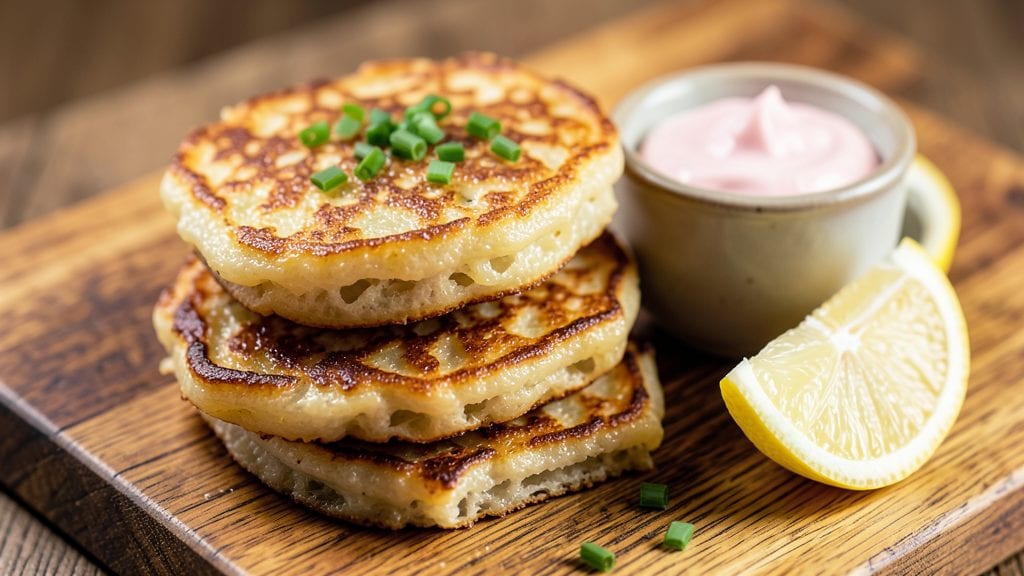
Izzy's potato pancake recipe delivers the perfect balance of fluffy pink centers and golden, crispy edges—exactly what makes these a brunch staple. The secret lies in precise grating and a touch of baking powder for that signature lightness.
I first discovered this technique at a family gathering where these pancakes disappeared faster than the coffee, and I've been perfecting it ever since.
What sets these apart is the method: a mix of grated potatoes, eggs, and a pinch of baking powder creates a batter that's light yet sturdy enough to hold its shape.
Pan-frying in small batches ensures each pancake gets perfectly crispy edges while staying tender inside. The result is a dish that's both comforting and impressive—ideal for weekend breakfasts or holiday gatherings.
By the time you flip the last pancake, you'll have a stack of golden-brown pancakes with crispy edges that shatter slightly at the touch. Serve them with a dollop of sour cream, a sprinkle of fresh dill, and a side of applesauce for a classic pairing.
The aroma alone will have everyone at the table asking for seconds.
These pancakes reheat beautifully, making them perfect for meal prep or leftovers. Whether you're feeding a crowd or treating yourself to a special breakfast, this recipe delivers professional-quality results with simple ingredients and straightforward techniques. Let's get cooking!
Ingredients for izzy's potato pancake
Freshly grated potatoes and a few key staples create these legendary pancakes with crispy edges.
| Ingredient | Amount | Notes |
|---|---|---|
| Russet Potatoes 🥔 | 2 lb | Freshly grated, skin on preferred |
| Large Eggs 🥚 | 2 whole | Room temperature for even mixing |
| All-Purpose Flour 🌾 | ½ cup | For binding and lightness |
| Baking Powder 🍞 | 1 tbsp | Aluminum-free for best results |
| Salt 🧂 | 1 tsp | Kosher or sea salt |
| Black Pepper 🌶️ | ½ tsp | Freshly ground preferred |
| Vegetable Oil 🫒 | ½ cup | For frying, high smoke point |
| Fresh Dill 🌿 | ¼ cup | Chopped, for garnish |
| Sour Cream 🥛 | ½ cup | Full-fat for serving |
| Applesauce 🍎 | ½ cup | Unsweetened, for dipping |
Russet potatoes are your best bet here—their high starch content gives that signature fluffy texture. Buy a few extra since you'll need about 4 cups grated (about 2 lbs raw). The key is grating them yourself: a box grater works, but a food processor with the shredding blade is faster. Skip the pre-shredded bagged potatoes—they're too dry and don't bind well. For the best results, grate them right before mixing. If you're short on time, microwave the whole potatoes for 3-4 minutes first to soften them slightly before grating.
No baking powder? Self-rising flour at half the amount works in a pinch, but you'll need to adjust the salt. Fresh dill is ideal, but dried dill at one-fourth the amount gets you close. Want extra crispiness? Add 1 tbsp cornstarch to the batter. The vegetable oil should be something with a high smoke point—avocado or canola oil work great. If you're using a nonstick pan, you can reduce the oil slightly, but don't skip it entirely—these pancakes need that fat to crisp up properly. The sour cream should be full-fat for the best pairing, but Greek yogurt works too if that's what you have.
The batter keeps for 1 hour in the fridge before frying, but it's best used fresh. These pancakes reheat beautifully in a 350°F oven for 10 minutes—just cover them loosely with foil. For meal prep, freeze them between parchment paper for up to 2 months. Reheat frozen pancakes directly from the freezer in a skillet for 3-4 minutes per side. The crispy edges soften slightly when reheated, so plan to enjoy them fresh when possible.
Why You'll Love This Recipe
- Here’s what sold me: the outside gets properly crispy in the pan, while the inside stays tender. That contrast? It’s the kind of thing that makes you reach for seconds before the plate’s even empty.
- Five-Ingredient Magic: I swear by this—just potatoes, eggs, flour, baking powder, and salt. That’s it. No fancy herbs or weird substitutions; the simplicity lets the crispy, golden edges shine without distraction.
- Crispy-Creamy Crunch: Here’s what sold me: the outside gets properly crispy in the pan, while the inside stays tender. That contrast? It’s the kind of thing that makes you reach for seconds before the plate’s even empty.
- Weeknight Workhorse: Between us, this is my go-to when I need something fast but still feels like a meal. Serve them with applesauce for breakfast, sour cream for dinner, or even as a side at a picnic—no rules, just flexibility.
Step-by-step instructions for fluffy pink potato pancakes
Here's how to achieve that perfect balance of crispy edges and tender centers in every pancake.
Grate the Potatoes with Precision
Peel the 2 lb russet potatoes and grate them using the large holes of a box grater. I like to work in batches to avoid making the potatoes soggy from their own moisture. Place the grated potatoes in a clean kitchen towel and squeeze out as much liquid as possible—this step is crucial for crispy pancakes. The drier the mixture, the better the texture.
Transfer the squeezed potatoes to a large mixing bowl. At this stage, you should have about 4 cups of grated potatoes. If you're using skin-on potatoes, make sure to remove any large skin pieces that might make the pancakes uneven when cooking.
Mix the Batter for Light, Fluffy Pancakes
In the same bowl with the grated potatoes, add the 2 whole large eggs, 0.5 cup all-purpose flour, 1 tbsp baking powder, 1 tsp salt, and 0.5 tsp black pepper. Using your hands, gently fold everything together until just combined. Avoid overmixing—the batter should look shaggy with some visible flour streaks. This ensures tender pancakes rather than dense ones.
Let the batter rest for 10 minutes. This resting period allows the starches to hydrate and the flour to fully absorb moisture, which helps create those signature fluffy pink hearts when cooked. Don't skip this step—it makes a noticeable difference in texture.
Form and Fry the Pancakes
Heat 0.25 cup vegetable oil in a large skillet over medium heat until it shimmers but doesn't smoke. Using a ¼ cup measuring cup or ice cream scoop, portion out the batter and gently press each portion into the hot oil, shaping into a round pancake about ½-inch thick. Work in batches to avoid overcrowding the pan.
Cook the pancakes for 3-4 minutes per side, until they're golden brown with crispy edges. You'll know they're ready when the underside releases easily from the pan and the center looks set but still slightly soft. Transfer the cooked pancakes to a paper towel-lined plate to drain excess oil.
Garnish and Serve Warm
While the pancakes are still hot, sprinkle each one with 1 tbsp of the 0.25 cup chopped fresh dill. The dill adds a bright, herby contrast to the rich potato flavor. Serve immediately with 0.5 cup sour cream for dipping or alongside the 0.5 cup unsweetened applesauce for a classic pairing.
For best results, serve these pancakes right away while they're crispy on the outside and fluffy on the inside. If you need to keep them warm, place them in a 200°F oven for up to 15 minutes, but they're best enjoyed immediately after frying.
Pro Tips For Making Izzy'S Potato Pancake
- GRATE DRY, NOT WET: Russets hold moisture like a sponge—if your grated potatoes leak water, squeeze them hard in a clean kitchen towel first. I learned this the hard way after making pancakes that turned out more like glue than crispy bites. Works best if you do it right after grating, before mixing anything.
- SALT THE POTATOES: Toss the grated Russets with a generous pinch of salt (about 1 tsp per pound) while they sit in the towel. This draws out more water and seasons the starch—no, it doesn’t taste weird, it just makes the pancakes taste like they were made by someone who actually likes flavor.
- FLATTEN THEM THIN: Use a fork or your palm to press the pancakes into ¼-inch thickness—thicker ones steam instead of crisp. I used to eyeball it and ended up with soggy centers. A ruler helps if you’re stubborn about precision (I’m not, but the results are worth it).
- FRIZZLE THE OIL FIRST: Heat the oil in the pan until it shimmers before adding the pancakes—no need to wait for smoke. A quick test: flick a drop of batter in; if it sizzles instantly, it’s ready. Skipping this step gives you greasy pancakes instead of golden, crackly ones.
Regional styles of these flavors
Jewish Latkes
In Jewish cuisine, these pancakes are called latkes, traditionally served during Hanukkah. The classic version uses grated potatoes, onions, eggs, and matzo meal instead of flour. I love adding 1 tbsp caraway seeds to the batter for an authentic Eastern European touch.
Serve with applesauce and a dollop of sour cream—just like Izzy’s recipe, but with a cultural twist. 🥔
German Kartoffelpuffer
German potato pancakes, or Kartoffelpuffer, often include grated apples or chopped parsley for extra flavor. The secret here is using potato starch instead of flour to bind the batter.
I like to pan-fry them in butter for a richer taste, then serve with braised red cabbage or crème fraîche. The texture stays crispier longer than the American version. 🥕
Russian Draniki
Russian draniki are thinner and often served as a side dish rather than a main. The key difference? More onions—about 1 cup grated—and a touch of sour cream mixed into the batter.
These are typically fried in lard for extra richness and served with mushroom gravy or smoked salmon. The crispy edges are a must, just like Izzy’s recipe! 🍳
Swedish Raggmunk
Swedish raggmunk are lighter and fluffier, thanks to potato starch and baking powder in the batter. They’re often served with lingonberry jam or sour cream as a breakfast dish.
I add 1 tsp ground cardamom for a subtle Scandinavian flavor. The texture is closer to a pancake than a traditional latke, making them a great brunch option. 🌟
Polish Placki Ziemniaczane
Polish potato pancakes, or placki ziemniaczane, sometimes include grated carrots or apples for sweetness. The batter is thicker, almost like a hash brown, and often fried in sunflower oil.
Serve with sauerkraut or smoked sausage for a hearty meal. The crispy exterior holds up well, just like Izzy’s version! 🌶️
Nutrition facts
Frequently asked questions
Why do I need to squeeze out all the liquid from grated potatoes?
Excess moisture makes the pancakes soggy instead of crispy. The squeezing step removes starch-filled water that would otherwise create a gummy texture. Aim for a dry-but-sticky batter—this ensures those perfect golden, shatterable edges while keeping the centers tender.
Can I make these pancakes ahead of time?
Yes! The batter can rest in the fridge for 1 hour before frying, but pancakes are best enjoyed fresh. For make-ahead meals, freeze cooked pancakes between parchment paper for up to 2 months. Reheat frozen pancakes directly in a skillet for 3-4 minutes per side—they'll lose some crispiness but still taste delicious.
What's the secret to getting crispy edges without burning them?
Use medium heat and 0.25 cup oil per batch in a well-heated skillet. The oil should shimmer but not smoke—this creates a stable cooking environment. Flip pancakes only when edges are golden brown and undersides release easily. Overcrowding the pan lowers the temperature, leading to greasy pancakes.
Can I substitute baking powder with something else?
In a pinch, use ½ tsp baking soda + 1 tsp lemon juice (let it fizz first), but the texture won't be identical. For a gluten-free version, replace flour with ½ cup potato starch—just reduce the batter rest time to 5 minutes. The baking powder is key for that signature fluffy pink center.
How do I keep these pancakes warm for a crowd?
Place finished pancakes on a wire rack in a 200°F oven for up to 15 minutes—this keeps them crispy. For larger gatherings, cook in batches and reheat only what you need. Pro tip: Cover with foil if holding longer than 10 minutes to prevent drying, but serve immediately for maximum crispiness.