
Breakfast & Brunch
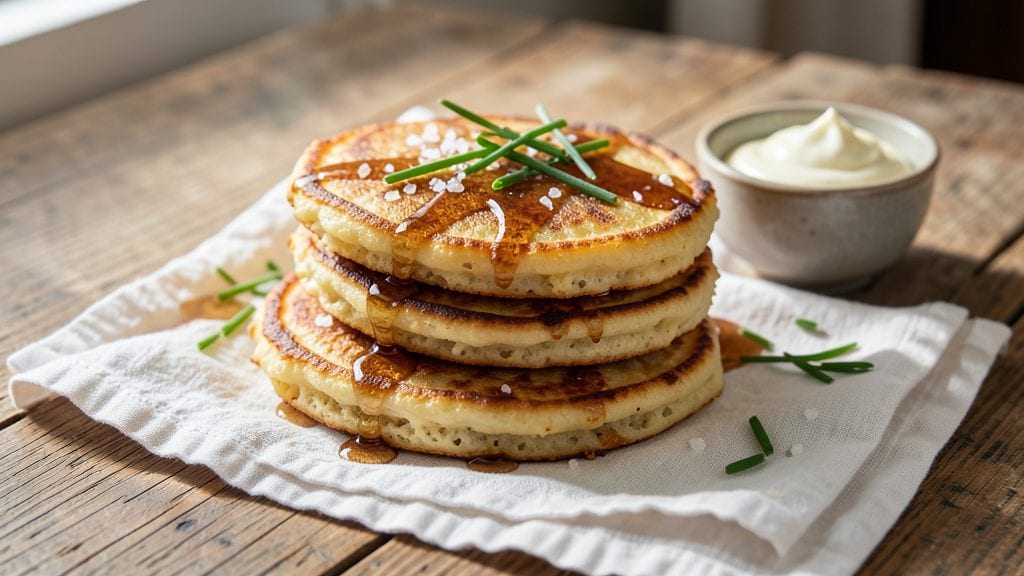
Ina Garten's potato pancake recipe delivers the perfect balance of crispy golden edges and fluffy, tender layers that make every bite irresistible. The secret lies in her precise technique for grating potatoes and double-frying for that signature crunch.
I've recreated this dish countless times, and it never fails to impress—whether served with applesauce, sour cream, or fresh chives.
What sets these latkes apart is the texture: crispy on the outside, soft and pillowy inside, with just the right amount of potato flavor. Ina's method ensures even cooking and proper draining, which prevents soggy pancakes.
The key ingredients—grated potatoes, eggs, and a touch of flour—come together effortlessly, and the double-frying step is what transforms them into restaurant-quality bites.
By following her step-by-step approach, you'll achieve perfectly golden pancakes with layers that hold up to every bite. The aroma alone will fill your kitchen with warmth, and the contrast of crispy edges and tender centers is pure comfort food magic.
This recipe is foolproof and delivers results that taste like they came straight from a cozy New York deli.
Serve these potato pancakes with classic toppings like tangy applesauce, cool sour cream, or fresh herbs for a meal that feels both nostalgic and special. The crispy edges stay crunchy, while the inside remains soft—just as Ina intended. Let's get cooking!
Ingredients for ina garten potato pancake
The secret to Ina Garten's perfect latkes lies in these 12 essential ingredients.
| Ingredient | Amount | Notes |
|---|---|---|
| Russet Potatoes 🥔 | 3 lb | Peeled, grated on fine side |
| Large Eggs 🥚 | 2 whole | Room temperature for even mixing |
| All-Purpose Flour 🌾 | ½ cup | Lightly spooned, not packed |
| Granulated Sugar 🍚 | 1 tbsp | For subtle sweetness balance |
| Salt 🧂 | 1 ½ tsp | Kosher or sea salt preferred |
| Ground Black Pepper 🌶️ | ½ tsp | Freshly ground for best flavor |
| Vegetable Oil 🫒 | 3 cups | For frying, neutral flavor |
| Fresh Chives 🌿 | ¼ cup | Chopped, for garnish |
| Sour Cream 🥛 | ½ cup | Full-fat for serving |
| Unsalted Butter 🧈 | ¼ cup | Melted, for extra richness |
| Applesauce 🍎 | 1 cup | Unsweetened, for dipping |
| Lemon Juice 🍋 | 1 tbsp | Freshly squeezed, optional |
The potatoes are non-negotiable—russets yield the fluffiest texture, while Yukon Golds add creaminess. Grate them on the fine side of a box grater (no food processor), and immediately salt the shreds to draw out excess moisture. Whole Foods or Trader Joe's carry russets with consistent texture, but any grocery store's russet will work. For extra crispiness, I like to pat the grated potatoes dry with paper towels before mixing, though Ina's method skips this step for authentic texture. The key is using cold potatoes straight from the fridge for the first fry.
Need to substitute? Sweet potatoes work in a pinch, but texture will differ slightly. No chives? Fresh parsley or green onions add brightness. The sour cream and applesauce can be swapped for Greek yogurt and unsweetened cranberry sauce, respectively. For a lighter version, reduce the oil to 2.5 cups and use an air fryer for the second fry. The lemon juice is optional but brightens the flavor—Meyer lemons add a floral note if you're feeling fancy. Always use unsalted butter for melting to control seasoning.
These pancakes stay crispy for 30 minutes after frying, so serve immediately. For make-ahead prep, freeze cooked pancakes on a tray, then transfer to a bag for up to 2 months. Reheat in a 350°F oven for 5-7 minutes to restore crispiness. The grated potatoes can be prepped 1 hour ahead if covered and refrigerated. For serving, keep the sour cream and applesauce chilled until ready—room temperature toppings make soggy pancakes. Portion the batter into 1/2-cup measures for consistent pancakes.
Why You'll Love This Recipe
- No Peel, No Stress: I swear by this trick—just grate raw Russets straight from the bag, no peeling, no scrubbing. The starchy mess is worth it for that golden, fluffy interior that doesn’t fall apart when you flip.
- Sweet Crispy Magic: That sugar in the batter? It caramelizes into the most addictive edge while keeping the inside pillowy. Honestly, I’ve made pancakes with less sugar—this version wins every time.
- Leftover Reinvention: Cold pancakes the next day? Even better. Toss them in a skillet with butter and a sprinkle of salt for crispy hash browns, or cube them into a potato salad that’ll steal the show.
- Pantry Staple Power: Five ingredients, zero specialty items. If you’ve got flour, eggs, and potatoes, you’ve got a meal. I’ve fed a crowd of six with what’s in my fridge—no last-minute grocery runs needed.
Step-by-step instructions for Ina Garten potato pancake recipe
Perfectly fluffy layers and golden, crispy edges start with precise technique and patience.
Grate and Squeeze the Potatoes
Peel the 3 lb russet potatoes and grate them on the fine side of a box grater. Place the grated potatoes in a clean kitchen towel or cheesecloth and squeeze out every drop of excess moisture. This step is crucial—wet potatoes will make your pancakes dense instead of light and fluffy. I like to work in batches, squeezing each handful until it feels completely dry to the touch.
Spread the squeezed potatoes on a clean surface and sprinkle evenly with the 1.5 tsp salt and 0.5 tsp ground black pepper. Gently mix with a rubber spatula until evenly distributed. The salt will help draw out any remaining moisture, and the pepper will add subtle warmth to each bite. Let the potatoes sit for 10 minutes while you prepare the batter—this resting time ensures they release any final traces of liquid.
Mix the Batter for Lightness
In a large mixing bowl, combine the grated potatoes with the 0.5 cup all-purpose flour and 1 tbsp granulated sugar. Stir gently with a wooden spoon until just combined—avoid overmixing, which can develop gluten and make the pancakes tough. Ina Garten's method relies on a delicate balance of ingredients for that signature fluffiness.
Add the 2 whole room-temperature eggs and mix again until fully incorporated. The batter should be thick but still pourable. If it feels too dry, add 1-2 tablespoons of cold water to loosen it slightly. The goal is a consistency similar to thick pancake batter—it should hold its shape when spooned but still flow easily. This texture ensures the pancakes cook evenly with crispy edges and tender centers.
Heat the Oil and Fry in Batches
Pour the 3 cups vegetable oil into a deep skillet or Dutch oven and heat over medium heat until it reaches 350°F. Use a thermometer to monitor the temperature—this precision prevents burning while ensuring a golden crust. The oil should shimmer gently but not smoke. While the oil heats, divide the batter into 6 equal portions, each about the size of a golf ball.
Carefully drop one portion of batter into the hot oil and flatten slightly with a spatula to create an even pancake about ½-inch thick. Fry for 3-4 minutes per side, turning only once, until golden brown and crispy. Avoid overcrowding the pan—work in batches to maintain the oil's temperature. The pancakes should float slightly in the oil as they cook, indicating they're ready to flip. Transfer to a paper towel-lined plate to drain excess oil.
Melt Butter and Assemble for Serving
While the pancakes rest, melt the 0.25 cup unsalted butter in a small saucepan over low heat until fully liquid. Stir in the 1 tbsp lemon juice (if using) and set aside. This buttery lemon mixture will elevate the pancakes from ordinary to extraordinary, cutting through the richness with a bright, tangy note.
To serve, arrange the crispy pancakes on a platter and drizzle generously with the melted butter mixture. Garnish with the 0.25 cup chopped fresh chives for a pop of color and freshness. Serve immediately with the 0.5 cup full-fat sour cream and 1 cup unsweetened applesauce on the side. The contrast of warm, crispy pancakes with cool, creamy sour cream and sweet applesauce makes every bite a perfect balance of textures and flavors.
Pro Tips For Making Ina Garten Potato Pancake
- GRATE FRESH, DON’T RINSE: Russets oxidize fast, so grate them right before mixing—no waiting. Skip rinsing the shreds unless you’re dealing with bitter-tasting potatoes, and even then, pat them very dry with a towel afterward. Wet shreds mean gummy pancakes, and nobody wants that.
- SALT THE POTATOES FIRST: Toss the grated Russets with salt before squeezing out moisture—it draws out more liquid, which means lighter, crispier pancakes. I used to skip this, and my batches always came out dense. Trust me, it’s worth the extra 5 minutes of draining.
- HIGH HEAT, LOW PRESSURE: Crank the oil to smoking hot before adding the pancakes, then leave them alone for 3 minutes. Pressing down flattens them into sad, greasy blobs—let the heat work its magic. Flip once, max, and keep the second side at medium heat to avoid burning.
- EGG TO FLOUR RATIO MATTERS: The classic recipe uses 2 eggs for 4 cups flour, but if your batter feels too loose, add 1 extra egg. Too stiff? Mix in 1-2 tablespoons cold water. I learned this after a batch fell apart mid-flip—now I adjust by feel, not guesswork.
Make-ahead tips for this dish
Prep Ahead for Efficiency
Grate the potatoes and mix the batter up to 12 hours ahead—store in an airtight container in the fridge. The flavors meld beautifully overnight, and the resting time helps release any lingering moisture.
When ready to fry, let the batter sit at room temperature for 15 minutes before cooking for even crispiness. I like to prep the batter the night before so I can enjoy a stress-free morning. 📅
Freezing for Later Use
Fry the pancakes as directed, then cool completely on a wire rack. Transfer to a single layer on a baking sheet, freeze until solid (1 hour), then stack with parchment between layers in a freezer bag.
Reheat frozen pancakes in a 375°F oven for 8-10 minutes—this restores the crispy exterior while keeping the inside tender. They reheat just like fresh, making them perfect for lazy weekends or unexpected guests. 🥶
Double-Fry Shortcut
For extra crispiness, fry the pancakes once at 350°F for 3 minutes, drain on a rack, then reheat in 375°F oil for 1-2 minutes until golden again. This two-step method mimics Ina's restaurant-quality results at home.
I use this technique when making a big batch for parties—it ensures every pancake stays crispy even when served later. 🔥
Portion Control Tips
Use a ¼-cup measuring cup to portion the batter for consistent pancakes. I find this size yields perfect ½-inch-thick pancakes that cook evenly. For a larger batch, multiply the recipe by 2 but keep the oil temperature steady—overcrowding the pan will lower the oil temperature and make the pancakes greasy.
Work in batches of 3-4 pancakes at a time. ⚖️
Make-Ahead Toppings
Prep the toppings ahead to streamline serving. Store the applesauce and sour cream in separate airtight containers in the fridge for up to 5 days.
Melt the butter and lemon juice mixture in advance and keep it warm in a small thermos—this prevents the butter from solidifying when you're ready to serve. Chives can be chopped and stored in a sealed container for 3 days. 🥛
Oven-Friendly Alternative
For a healthier option, bake the pancakes instead of frying. Spread the batter on a parchment-lined baking sheet into ½-inch-thick rounds and bake at 425°F for 20-25 minutes, flipping halfway.
Brush with melted butter after baking for added flavor. While not as crispy, these still deliver that comforting latke taste with less oil. Perfect for meal prep! 🍽️
Nutrition facts
Frequently asked questions
Why do Ina Garten's potato pancakes have layers instead of being solid?
Ina's recipe achieves fluffy layers because of the proper potato-to-flour ratio and gentle mixing. The grated potatoes release moisture gradually, creating pockets of air when fried. Overmixing develops gluten, which makes them dense. The double-frying technique also helps maintain that signature pillowy texture while keeping edges crispy.
Can I use sweet potatoes instead of russets for this recipe?
Yes, but expect a slightly different texture. Sweet potatoes yield denser pancakes with a natural sweetness. For best results, reduce the added sugar to ½ tbsp and increase the flour to ⅓ cup to bind the moisture. The crispiness will be less pronounced, but they'll still be delicious with applesauce or caramelized onions.
How do I keep the pancakes from sticking to the pan?
Use a heavy-bottomed skillet or Dutch oven and maintain oil at 350°F—never let it drop below 325°F. Add pancakes in batches of 3-4, and avoid overcrowding. If needed, add 1 tsp cornstarch to the batter for extra crispiness. Also, ensure your oil is fresh—reused oil loses its heat retention.
What's the best way to reheat leftover potato pancakes?
For crispy results, reheat in a 375°F oven for 5-7 minutes on a wire rack (not a plate). For quick reheating, use an air fryer at 350°F for 3-4 minutes, shaking halfway. Microwaving kills the crispiness—avoid it entirely. The key is high heat and indirect contact to restore that golden crust.
Can I make these pancakes gluten-free?
Yes! Replace the ½ cup all-purpose flour with ½ cup gluten-free 1:1 baking flour (like Bob's Red Mill). Add ½ tsp xanthan gum to improve binding. The texture will be slightly less crispy, but still delicious. Test with a small batch first to adjust moisture levels—gluten-free flours absorb differently.