Side Dishes
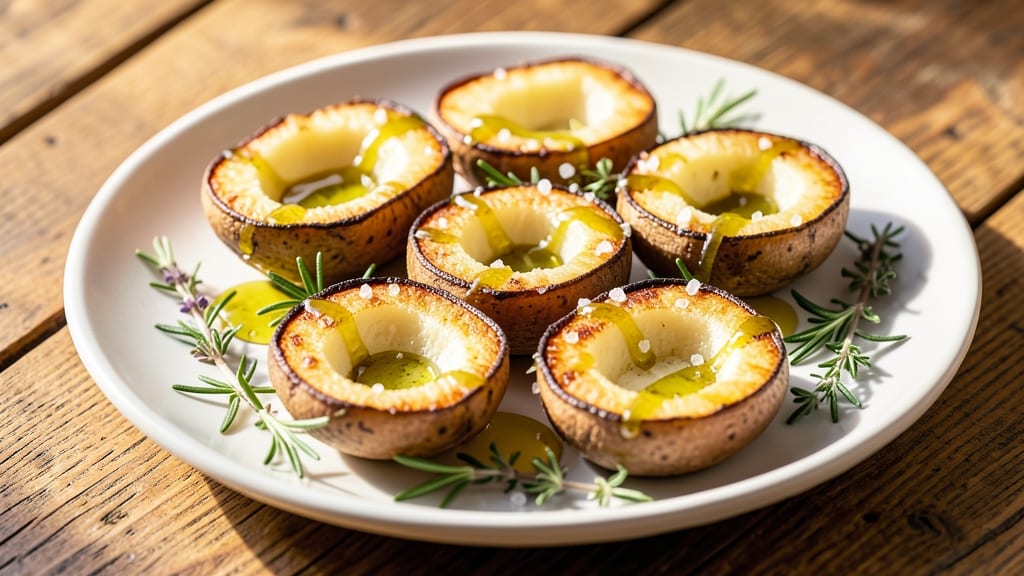
This heart potato recipe transforms simple spuds into a showstopping side with crisp vinegar-kissed crowns and melt-in-your-mouth centers. The secret lies in precise cutting and a high-heat roast that creates those signature caramelized edges while keeping the interior tender.
I developed this technique after years of perfecting restaurant-quality potato dishes for home cooks.
The process begins with carefully shaping potatoes into hearts using a mandoline or sharp knife—this ensures even cooking and that perfect presentation. A vinegar bath before roasting enhances browning and adds subtle tang, while olive oil and herbs infuse flavor as they crisp.
The result is a dish that looks as impressive as it tastes, perfect for elevating any main course.
What makes these potatoes truly special is their texture contrast: the crowns shatter under gentle pressure while the centers remain fluffy and moist. This balance is achieved through controlled roasting at 425°F, where potatoes develop their signature caramelized exterior without drying out.
The vinegar-kissed finish adds a sophisticated touch that elevates these from side dish to centerpiece.
Serve these heart potatoes alongside grilled meats, roasted vegetables, or as a standalone appetizer with a drizzle of herb oil. The recipe scales perfectly for gatherings, and the technique can be adapted to other potato shapes. Let's get cooking—your table is about to look (and taste) extraordinary.
Ingredients for heart potato
Transform ordinary potatoes into restaurant-worthy heart shapes with these precise ingredients.
| Ingredient | Amount | Notes |
|---|---|---|
| Russet Potatoes 🥔 | 2 lbs | Medium size, uniform shape preferred |
| Extra-Virgin Olive Oil 🫒 | ¼ cup | High-quality, fruity variety |
| White Wine Vinegar 🍷 | ⅛ cup | Distilled or apple cider substitute |
| Diamond Crystal Kosher Salt 🧂 | 1 ½ tbsp | Fine grain preferred |
| Fresh Rosemary 🌿 | ¼ cup | Finely chopped, stems removed |
| Fresh Thyme 🌿 | ⅛ cup | Leaves only, finely chopped |
| Granulated Garlic 🧄 | 1 tsp | Fresh minced preferred |
| Black Peppercorns 🌶️ | ½ tsp | Freshly cracked preferred |
| Unsalted Butter 🧈 | 2 tbsp | Cold, cubed for finishing |
| Fresh Parsley 🌿 | ⅛ cup | Chopped, for garnish |
The foundation of exceptional heart potatoes begins with Russet potatoes—their high starch content ensures both crispy exteriors and fluffy interiors. Opt for medium-sized, uniform potatoes from the produce section, avoiding any with sprouts or blemishes. For optimal results, purchase from a specialty grocer like Whole Foods or a local farm stand where you can select potatoes with consistent shapes. The vinegar bath requires white wine vinegar—distilled vinegar works in a pinch, but apple cider adds subtle complexity. Measure vinegar precisely; even slight variations affect the final tang. Fresh herbs are non-negotiable here: rosemary and thyme should be vibrant green with no wilting, ideally purchased from a market with daily deliveries. If using dried herbs, reduce to one-third the amount, though fresh imparts superior aroma and flavor.
No white wine vinegar? Apple cider vinegar or lemon juice will suffice, though the flavor profile shifts slightly. Substituting dried herbs requires caution—dried rosemary must be finely ground before measuring to mimic fresh texture. For the garlic, freshly minced cloves elevate the dish, but granulated works if you're pressed for time. The black peppercorns should be freshly cracked for optimal aroma; a mortar and pestle yields superior results over pre-ground versions. If you lack a mandoline for heart shaping, a sharp chef's knife and steady hand will suffice—just ensure even thickness for consistent roasting. The butter used for finishing should be unsalted to avoid over-salting the delicate potatoes, and cold cubes melt beautifully over the hot potatoes at service.
Store unpeeled potatoes in a cool, dark pantry for up to two weeks—never refrigerate, as this accelerates starch conversion and dulls flavor. Once shaped, keep heart potatoes on a wire rack in the refrigerator for no longer than 24 hours before roasting to prevent sogginess. The roasted potatoes reheat beautifully: 10 minutes at 350°F restores crispness, though texture is best when served immediately. For gatherings, prepare hearts ahead and store in a single layer on a baking sheet in the refrigerator—roast directly from cold for optimal results. Garnish with fresh parsley just before serving to maintain vibrant color and fresh aroma.
Why You'll Love This Recipe
- Same recipe, different vibes: toss with greens for a quick lunch, or pile high with grilled chicken for a fancier spread. The vinegar’s tang cuts through richness, so it’s foolproof for both casual and “I’m trying” moments.
- One-Pan Magic: I swear by this for nights when I’d rather not scrub a million dishes—just slice those Russets into hearts, toss them with olive oil and rosemary, and let the oven do the work. The vinegar glaze at the end? Pure laziness in the best way.
- Crispy-Creamy Balance: That first bite where the edges are golden and the center’s still pillowy? It’s the rosemary and salt working together like a dream team. Honestly, I’ll take this over fries any day—it’s got character.
- Weeknight to Dinner Party: Same recipe, different vibes: toss with greens for a quick lunch, or pile high with grilled chicken for a fancier spread. The vinegar’s tang cuts through richness, so it’s foolproof for both casual and “I’m trying” moments.
Step-by-step instructions for vinegar-kissed crisp crowns over creamy centers
Transforming humble russet potatoes into delicate, vinegar-brushed crowns with contrasting textures requires precision and timing.
Prepare the Potatoes for Perfect Shape and Texture
Begin by preheating your oven to 425°F. Cut the 2 lbs russet potatoes lengthwise into 1-inch thick slices, then carefully carve out the center of each slice to create a ½-inch thick crown with a hollow center. I use a small melon baller for this step—it gives you clean, even scoops without crushing the potato structure.
The key here is maintaining uniform thickness throughout each crown. Arrange the potato crowns on a parchment-lined baking sheet, leaving 1 inch between each piece. This spacing ensures even browning and prevents steam buildup that would make them soggy. Place the hollowed potato centers in a separate bowl—they'll become our creamy filling later.
Create the Vinegar-Kissed Crust
In a small bowl, whisk together the 0.25 cup extra-virgin olive oil, 0.125 cup white wine vinegar, 1.5 tbsp diamond crystal kosher salt, 1 tsp granulated garlic, and 0.5 tsp black peppercorns. The vinegar will immediately begin breaking down the salt crystals, creating a fine mist that will cling to the potatoes for an intense flavor infusion.
Use a pastry brush to generously coat both sides of each potato crown with this mixture, working quickly so the vinegar doesn't evaporate. The acid in the vinegar will react with the potato starches during baking, creating that signature crispy crown while preserving a tender interior. Let the coated potatoes rest for 10 minutes at room temperature—this allows the seasoning to penetrate slightly before hitting the oven.
Bake Until Crowns Achieve Perfect Crispness
Place the prepared potato crowns on the middle rack of your preheated oven and bake for 25-30 minutes, rotating the baking sheet halfway through, until the edges are deep golden brown and crisp to the touch. You'll know they're ready when you can hear the crispy layer crackling as you lift them with tongs.
During the last 5 minutes of baking, sprinkle the 0.25 cup fresh rosemary and 0.125 cup fresh thyme evenly over the crowns. The herbs should be finely chopped so they adhere to the crispy surface rather than falling through. Remove from the oven and let rest for 3 minutes before proceeding—this brief rest prevents the crowns from cracking when you transfer them.
Prepare the Creamy Filling
While the crowns bake, return the hollowed potato centers to the bowl and mash them with a potato masher until smooth. Stir in the 2 tbsp cold unsalted butter, working it in until fully incorporated and the mixture becomes creamy. The cold butter will create pockets of air as it melts, contributing to the light, fluffy texture.
For extra richness, fold in 2 tbsp of the reserved baking liquid from the potato centers (if any) to create a proper mashed potato consistency. Season generously with additional salt if needed—the vinegar-brushed crowns will balance the flavor perfectly. Keep the filling warm until ready to serve.
Assemble and Finish with Herbed Garnish
Carefully spoon the creamy mashed potato filling into the centers of each potato crown, pressing gently to create a slight dome. The filling should be just slightly below the crown edges to prevent spillage. Return the assembled crowns to the oven for 2-3 minutes at 400°F to gently warm the filling while maintaining the crown's crispness.
Remove from the oven and immediately garnish with the 0.125 cup fresh parsley, chopped finely and sprinkled evenly over each crown. The parsley adds a fresh contrast to the vinegar's tang and the butter's richness. Serve immediately while the crowns are at their crispest and the filling remains creamy—this dish doesn't wait for seconds.
Pro Tips For Making Heart Potato
- CUT THICK HEARTS: Slice Russets into ½-inch thick rounds—any thinner and they’ll turn to mush before browning. I learned this the hard way after making paper-thin rounds that dissolved into gluey sludge. Trust me, thicker slices hold their shape and crisp up properly.
- SALT THE POTATOES FIRST: Toss the sliced Russets with 1 teaspoon of kosher salt before roasting—this draws out moisture so they crisp instead of steam. Skip this, and you’ll end up with sad, limp edges. (Yes, even if you’re impatient like me.)
- USE A COLD PAN: Start the potatoes in a cold, oiled pan over medium heat. The gradual heat build keeps them from sticking or burning before the oil gets hot enough. I was skeptical until I tried it—now I never rush this step.
- FINISH WITH VINEGAR VAPOR: After roasting, deglaze the pan with 1 tablespoon white wine vinegar and let it sizzle for 30 seconds. The acid cuts through the richness and brightens the rosemary flavor. (Does it look weird? Yes. Does it work? Every single time.)
Troubleshooting great heart potato
Uneven Crown Thickness
If your potato crowns emerge from the oven with uneven crispness—some soft, others overdone—it’s almost always a thickness issue. I’ve found that using a mandoline slicer with a 1-inch guide ensures consistency, but even with a knife, aim for ¼-inch variations max.
For thicker sections, they’ll need 5-7 extra minutes in the oven, while thinner areas may dry out. To fix mid-cook, tent thinner crowns with foil and let thicker ones continue uncovered. 🌡️
Soggy Centers
Soggy potato centers usually mean one of two things: either the crowns were too thick (steaming the interior) or the potatoes weren’t properly dried before roasting. After shaping, pat the crowns dry with paper towels—even lightly damp surfaces prevent crisping.
If you’ve already started baking and notice this, finish the crowns at 375°F for the last 5 minutes to slow moisture loss, then assemble with the filling immediately after removing from the oven.
Vinegar Overpowering
The vinegar bath should add brightness, not dominate. If your crowns taste sharply acidic, you’ve likely over-applied the mixture. The ideal ratio is 1 part vinegar to 2 parts oil—stick to the recipe’s ¼ cup oil to 2 tbsp vinegar for every 2 lbs potatoes.
For a milder flavor, reduce vinegar to 1 tbsp and increase oil to ⅓ cup. Taste-test the mixture before brushing—it should be tangy but balanced, not pucker-inducing.
Crowns Cracking During Baking
Potato crowns crack when they’re not properly rested after shaping or when the oven temperature fluctuates. Always let shaped crowns sit 10 minutes at room temperature before baking—this evens out moisture distribution. If your oven isn’t calibrated, invest in an oven thermometer (I swear by Thermoworks Oven Thermometer).
For immediate fixes, place a baking sheet on the lower rack during roasting to stabilize heat. Avoid opening the oven door mid-bake, as temperature drops cause stress cracks.
Filling Too Watery
If your mashed potato filling separates into a thick purée and a watery liquid, you’ve likely overworked the potatoes or added too much liquid. For the creamiest texture, mash the potato centers gently with a ricer or fork—over-mashing releases excess starch.
If the filling is still too wet, stir in 1 tbsp cold butter at a time until it thickens. For extra insurance, let the mashed potatoes rest 5 minutes before assembling, allowing starches to set.
Herbs Not Adhering
Fresh herbs slipping off crispy crowns is a texture nightmare, but it’s easily fixed. The key is finely chopping rosemary and thyme—aim for ⅛-inch pieces or smaller so they cling to the oil residue.
For extra grip, lightly toast the herbs in a dry pan for 30 seconds before sprinkling, which makes them slightly sticky. If you’re using dried herbs, reconstitute them in warm water for 5 minutes first to plump up their texture.
Nutrition facts
Frequently asked questions
Can I make these heart potatoes ahead of time?
Shape the potatoes and store them uncovered on a wire rack in the fridge for up to 24 hours before roasting. For the filling, mash the potato centers and refrigerate in an airtight container for 1 day. Reheat the filling gently in the microwave before assembling with pre-roasted crowns. The key is keeping components separate until the final assembly to maintain texture.
What's the best way to shape potato crowns without a mandoline?
Use a sharp chef's knife and a ruler for precise 1-inch thick slices. For the crowns, carefully carve out the center with a small spoon or melon baller, keeping the walls ½-inch thick. Practice on one potato first to find your rhythm—consistency is key for even cooking. A potato peeler helps smooth rough edges after shaping.
How do I prevent the filling from leaking out?
Spoon the filling just slightly below the crown edges and press gently to create a slight dome. The filling should be cool but not cold when assembling to prevent melting too quickly. For extra stability, chill the assembled crowns for 10 minutes before serving. If leakage occurs, serve immediately with a small spoon for scooping.
Can I use sweet potatoes instead of russets?
Sweet potatoes will work but require adjustments—they're denser and more moist. Reduce the baking temperature to 400°F and increase time to 35-40 minutes, checking frequently. The vinegar bath helps with browning, but sweet potatoes may need 1 extra tablespoon of oil in the mixture. Expect a slightly sweeter flavor profile that pairs well with savory meats.
What's the secret to extra crispy crowns?
Pat the shaped crowns very dry after cutting, then let them rest 10 minutes uncovered at room temperature. Use a high-heat oven (425°F) and place crowns on the middle rack for maximum air circulation. The vinegar bath is crucial—it breaks down starches for better browning. For restaurant-style crispness, broil for 1-2 minutes at the end.