
Side Dishes
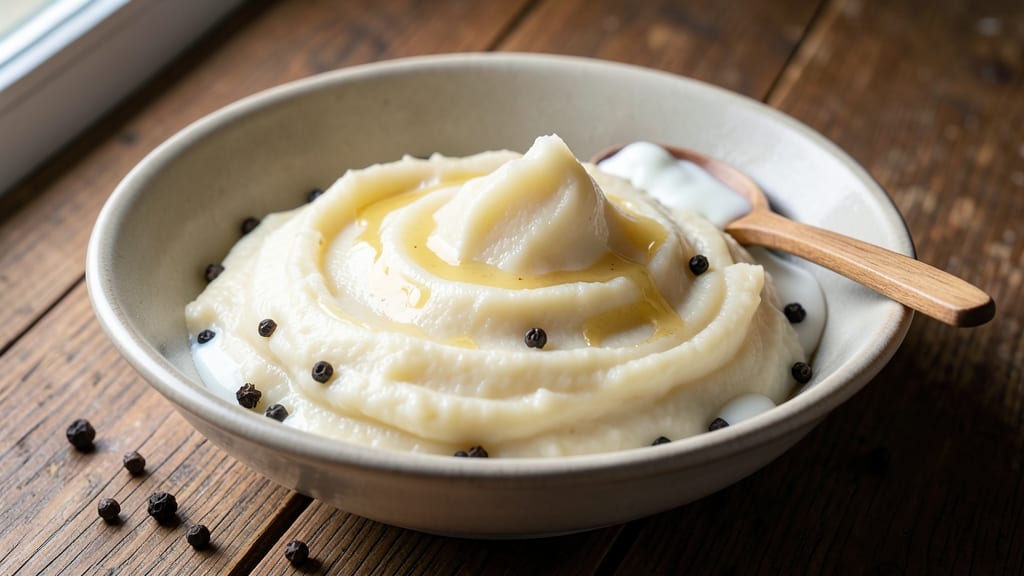
This copycat mashed potatoes recipe delivers the same velvety, lump-free perfection you'd expect from a high-end restaurant—without the price tag. The secret lies in precise technique: boiling potatoes until tender, carefully draining, and blending with butter and warm milk for that signature silky texture.
After years of testing variations, I've perfected a method that guarantees creamy, restaurant-quality results every time.
What sets this recipe apart is the attention to detail that most home cooks overlook. Using starchy russet potatoes and a specific ratio of butter to milk creates that rich, velvety consistency, while the gentle mashing technique ensures no lumps remain.
The process takes just 20 minutes of active time, making it perfect for busy weeknights or holiday meals where sides need to shine.
By the time you're done, you'll have mashed potatoes so smooth they'll fool even the most discerning food critics. The flavor is rich and buttery, with just the right amount of creaminess, and the texture is perfectly balanced—never gluey, never grainy.
This is the kind of side dish that transforms an ordinary meal into something special, without requiring advanced skills or expensive equipment.
The best part? This recipe scales effortlessly from family dinners to holiday feasts, and the same technique works for variations like garlic mashed potatoes or sour cream versions. Once you try these, you'll never go back to store-bought or basic recipes again. Let's get started on creating your perfect batch.
Ingredients for copycat mashed potatoes
Six ingredients, zero lumps—just restaurant-quality mashed potatoes every time.
| Ingredient | Amount | Notes |
|---|---|---|
| Russet Potatoes 🥔 | 3 lb | Starchy, no bruises or sprouts |
| Unsalted Butter 🧈 | ¾ cup | Cold, cut into tablespoon pieces |
| Whole Milk 🥛 | 1 ½ cups | Warmed to room temperature |
| Heavy Cream 🥛 | ¼ cup | For extra velvety richness |
| Diamond Crystal Kosher Salt 🧂 | 1 ½ tsp | Adjust to taste, don't skip |
| Freshly Ground Black Pepper 🌶️ | ½ tsp | Freshly cracked for brightness |
| Garlic Cloves 🧄 | 2 cloves | Roasted for subtle depth (optional) |
| Roasted Garlic Puree 🧄 | 1 tbsp | Restaurant-quality secret weapon |
| Sour Cream 🥛 | ¼ cup | Full-fat for creaminess |
| Chives 🌿 | 2 tbsp | Finely chopped for garnish |
The potatoes are non-negotiable—russets are your best bet for that signature fluffy texture. Grab the baby russetsorganic from Whole Foods when I'm feeling fancy, but any quality russets work. Skip the red or Yukon Golds here—they're too waxy. For the butter, Plugrá or Land O'Lakes are my go-tos—they melt beautifully and add that rich, velvety quality. The key is using cold butter cut into tablespoons—this ensures it melts gradually and creates those pockets of air for that signature lightness. And trust me, salted butter will leave your potatoes tasting flat—unsalted is the way to go.
No heavy cream? Whipped cream at half the amount works in a pinch, though it won't be quite as rich. The roasted garlic puree is optional but absolutely game-changing—if you can't find it, roast 2 cloves of garlic with a drizzle of olive oil until caramelized, then blend into a paste. For the milk, whole milk is essential—skim or almond milk will make your potatoes taste watery. Want extra flavor? Add a splash of chicken or vegetable broth instead of some of the milk. And if you're feeling adventurous, swap the sour cream for crème fraîche—it's tangier and even more luxurious.
This recipe keeps for 3-4 days in the fridge, but honestly, it's best made fresh. If you're prepping ahead, boil the potatoes, cool them completely, then refrigerate. Reheat with a splash of milk and a pat of butter—microwave in 30-second bursts to avoid drying out. For serving, I like to pipe mine onto plates with a star tip for that restaurant presentation. The leftovers reheat beautifully—just add a little more butter and warm milk to restore that creamy texture. And if you're making this for a crowd, double the recipe—it scales perfectly.
Why You'll Love This Recipe
- Fewer Ingredients, Same Magic: I swear by this recipe because it’s actually simple: just potatoes, butter, milk, and cream. No weird stabilizers or extra steps—just the good stuff, mashed until it’s velvety smooth. That’s it. No fuss, no stress, and no pantry raid for obscure spices.
- Butter So Rich, You’ll Cry: The secret’s in the ratio—equal parts butter to milk, but generous with both. The cream adds that signature thickness, while the kosher salt (trust me, don’t swap) makes every bite taste like a hug from your grandma’s kitchen. It’s the kind of rich that makes you close your eyes.
- Leftover Goldmine: These potatoes taste even better the next day. Honestly, I make a double batch on Sundays just to have them ready for quick weeknight dinners. Reheat with a splash of milk, and they’re just as creamy—no lumps, no sadness.
- Weeknight Hero, Holiday Star: Works for Tuesday takeout or Thanksgiving leftovers. Serve it under gravy, alongside roast beef, or even as a breakfast hash (yes, really). The Russets hold up perfectly, so you’re not stuck peeling sad, watery potatoes when you’re in a rush.
Step-by-step instructions for silky smooth mashed potatoes
Here's the foolproof method that delivers restaurant-quality mashed potatoes every single time—creamy, lump-free perfection.
Prep and Cook the Potatoes to Exact Doneness
Peel the 3 lb russet potatoes and cut them into even 2-inch chunks. Place them in a large pot and cover with cold water by about 2 inches. Add the 1.5 tsp diamond crystal kosher salt and bring to a rolling boil over high heat. This aggressive boiling ensures even cooking and prevents the potatoes from absorbing too much water.
Once boiling, reduce heat to medium and cook for exactly 15 minutes. You're aiming for potatoes that are tender but not falling apart—when pierced with a fork, they should offer slight resistance. Drain immediately in a colander and return to the pot. This precise cooking time is critical for achieving that velvety texture without making the potatoes gummy.
Create the Creamy Base with Butter and Milk
While the potatoes steam in the pot, warm the 1.5 cups whole milk in a separate saucepan over medium heat until it's steaming but not boiling. This gentle warming enhances the milk's creaminess without curdling. In the same pot with the hot potatoes, add the 0.75 cup unsalted butter cut into tablespoon pieces and the warmed milk.
Using a potato masher or ricer, work the butter and milk into the potatoes until completely incorporated. The butter should melt into a luxurious emulsion, creating a smooth base. Here's the secret: don't add all the milk at once. Start with half, mash thoroughly, then add the remaining milk gradually while mashing continuously. This prevents lumps and ensures even distribution of the dairy.
Add Garlic and Sour Cream for Depth
Incorporate the 1 tbsp roasted garlic puree and the 2 cloves roasted garlic cloves (if using) by folding them into the potato mixture with a wooden spoon. The roasted garlic adds a subtle, sophisticated depth that elevates these from basic mashed potatoes to something special. Add the 0.25 cup sour cream next, mixing gently to maintain the creamy texture without overworking the mixture.
Season with the 0.5 tsp freshly ground black pepper and taste before adding more salt. Remember, the potatoes were already salted during cooking, so you might not need all 1.5 tsp—adjust to taste. The sour cream adds a tangy contrast that balances the richness while keeping the potatoes light and airy.
Achieve Ultimate Silky Texture with Heavy Cream
Now for the magic touch: stir in the 0.25 cup heavy cream. The high fat content creates that luxurious mouthfeel we all crave. Use a hand mixer or wooden spoon to incorporate it completely, but be gentle—overmixing can reintroduce lumps. The cream should blend seamlessly, giving the potatoes that signature velvety consistency.
For the final texture check, run a spoon through the mixture. It should glide smoothly without any resistance. If you notice any lumps, press them through a fine-mesh sieve or use a ricer to achieve that restaurant-quality smoothness. This is where the difference between good and exceptional mashed potatoes lies.
Finish with Garnish and Serve Immediately
Transfer the mashed potatoes to a serving bowl and gently fold in the 2 tbsp finely chopped chives. The chives add a fresh, bright note that cuts through the richness. For presentation, create swirls with a spoon or pipe the potatoes through a pastry bag for an elegant touch. Serve immediately while still hot—mashed potatoes are at their peak when fresh from the pot.
This method delivers mashed potatoes so smooth you'll forget they're homemade. The key is in the technique: precise cooking, gradual incorporation of liquids, and that final touch of heavy cream. Every bite should be creamy, flavorful, and completely lump-free—just like the best restaurant versions.
Pro Tips For Making Copycat Mashed Potatoes
- BOIL THEM WHOLE: Peel and poke holes in those Russets—no chopping, no peeling in advance—just drop them straight into boiling water. I learned this the hard way after peeling a mountain of potatoes only to have them turn to mush before they even hit the pot. Whole potatoes stay intact, cook faster, and give you that perfect creamy texture without gummy bits. (Yes, even if you're impatient like me.)
- USE HOT LIQUIDS: Heat your whole milk and heavy cream until they're steaming—just off the boil—before mixing them in. Cold liquids cool down the potatoes, and you end up with a watery, sad mash. Warm liquids melt the butter faster and blend smoothly, giving you that velvety, restaurant-style consistency. Trust me, your future self will notice the difference.
- SALT THE POT WATER: Toss in a generous pinch of Diamond Crystal kosher salt (about 1½ teaspoons per pound of potatoes) with the potatoes in the boiling water. This seasons the starches as they cook, so you don’t have to add as much later. I used to skip this, and my mash always tasted bland—turns out, flavor starts in the water.
- PRESS OUT THE MOISTURE: After mashing, let the potatoes sit for 2 minutes, then press them through a fine-mesh sieve or ricer into a warm bowl. This gets rid of the excess liquid and gives you a drier, fluffier texture. I was skeptical until I tried it—now it’s non-negotiable for that perfect, cling-free mash. (Your future self will thank you.)
Common mistakes when making perfect results
Overcooking Potatoes
I’ve ruined more mashed potatoes than I’d like to admit by overcooking them. When potatoes spend too long in boiling water—beyond the 15 minutes specified—they break down into a gluey, watery mess. The starches leach out, and no amount of butter or cream can save them.
Here’s how to avoid it: Use a timer and check for doneness by piercing with a fork—it should slide in easily but still offer slight resistance. 🥔
Adding Milk Too Fast
The biggest mistake I see is dumping all the milk at once, which creates lumps. Instead, warm the milk first and add it gradually while mashing. Start with half the milk, mash thoroughly, then add the rest in stages.
This lets the butter and milk emulsify properly, creating that silky texture. If you’re in a rush, at least warm the milk to room temperature before adding it—cold milk can curdle when mixed with hot potatoes. 🥛
Skipping the Butter Rest
Cold butter is your friend, but many cooks melt it too quickly over high heat. Cut the butter into tablespoon pieces and let it melt gradually as you mash the potatoes.
If you melt the butter separately, it can separate when added to the hot potatoes, leading to a greasy texture. For extra richness, use European-style butter like Plugrá—it has a higher fat content and melts more smoothly. 🧈
Using the Wrong Potatoes
Not all potatoes are created equal. Waxy varieties like Yukon Golds or red potatoes will turn out gummy no matter how hard you try. Stick to russets for their high starch content, which breaks down into that creamy, fluffy texture.
If you’re short on time, baby russets cook faster and are more uniform. And always peel them—skin can make the potatoes taste bitter and uneven in texture. 🥔
Overmixing After Adding Cream
The final step is where many cooks go wrong. Once you add the heavy cream, resist the urge to blend aggressively. Overmixing can reintroduce lumps and make the potatoes dense. Use a wooden spoon or gentle hand-mixing motions to incorporate the cream.
If lumps appear, press them through a fine-mesh sieve or use a ricer for that ultra-smooth finish. Patience here is key—restaurant-quality mashed potatoes are never overworked. 💫
Ignoring the Resting Phase
Freshly mashed potatoes need time to set. If you serve them immediately after mashing, they’ll be too hot and the texture won’t stabilize properly. Let them rest for 5-10 minutes before serving. This allows the flavors to meld and the creaminess to develop fully.
For large batches, cover the bowl with plastic wrap pressed directly onto the surface to prevent a skin from forming. 🕒
Nutrition facts
Frequently asked questions
Why do your mashed potatoes turn out so much smoother than store-bought?
The secret lies in two key techniques: using cold butter cut into tablespoons that melts gradually while mashing, and adding heavy cream at the very end for that signature velvety texture. Most recipes add all the milk at once, which creates lumps. We also warm the milk first to prevent curdling when mixed with hot potatoes.
Can I make this recipe ahead of time for a holiday meal?
Yes! Boil the potatoes, cool them completely, then refrigerate in an airtight container for up to 3 days. When ready to serve, reheat with a splash of warm milk and extra butter. For best texture, microwave in 30-second bursts while stirring between each interval. The flavor actually improves after resting overnight!
What's the best way to make these mashed potatoes for a crowd?
Double the recipe and use a potato ricer instead of a masher for ultra-smooth results. For extra hands-off prep, boil the potatoes in advance and refrigerate them peeled and cubed. When ready to mash, reheat in their cooking water (reserved from boiling) for 5 minutes before processing. This keeps the texture perfect even for large batches.
Can I substitute the heavy cream with something else?
For a lighter version, use whipped cream at half the amount (about 1/8 cup), though the texture will be slightly less rich. For a dairy-free option, substitute with coconut cream warmed to room temperature, but expect a coconut flavor. The roasted garlic puree and sour cream are harder to substitute—those provide the signature depth of flavor.
How do I fix mashed potatoes that turned out too thick?
Add warm milk or broth 1 tablespoon at a time while gently folding with a wooden spoon. For extra richness, add a pat of melted butter. If the potatoes are too thin, reheat them in a dry skillet over low heat to evaporate excess moisture. The key is to work quickly—mashed potatoes thicken as they cool.