
Side Dishes
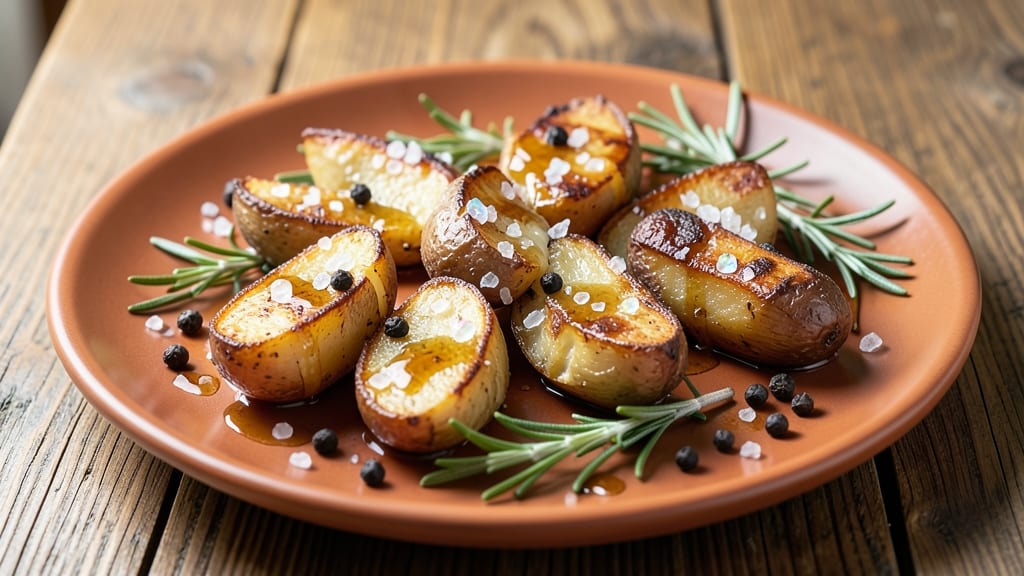
This confit potatoes recipe transforms ordinary spuds into golden, crispy wedges with fluffy interiors that beg for another bite. The secret lies in slow-cooking them in duck fat until tender, then finishing with a vinegar kiss that sharpens the flavor and creates that perfect caramelized crust.
I first discovered this technique while researching French bistro sides, and it quickly became a staple in my kitchen—especially for holiday dinners where sides need to shine.
The process is straightforward but requires patience: potatoes are parboiled, then slow-cooked in fat until fork-tender before being tossed in vinegar and roasted to crispy perfection.
This method ensures every bite delivers that satisfying contrast—crispy edges and a pillowy center—while the vinegar adds a bright, tangy finish that cuts through rich main dishes.
The duck fat (or oil) infuses the potatoes with rich flavor, making them taste like they've been simmering all day, even though the total time is just under an hour.
What makes these potatoes truly special is how they elevate any meal—whether paired with roasted meats, fresh salads, or even as a standalone appetizer. The crispy exterior gives way to tender, fluffy flesh that soaks up the fat and vinegar perfectly, creating a texture that's impossible to resist.
Once you try this technique, you'll never go back to plain boiled or roasted potatoes again. Let's get started on making these restaurant-worthy sides at home.
For extra flavor, consider adding fresh herbs like rosemary or thyme to the fat before cooking, or sprinkle with flaky sea salt and cracked black pepper before serving.
These potatoes reheat beautifully, making them ideal for meal prep or leftovers—just warm them gently in the oven to restore that crispy texture. The method is foolproof once you master the timing, and the results are always impressive.
Ingredients for confit potatoes
Six ingredients transform simple potatoes into bistro-worthy confit perfection.
| Ingredient | Amount | Notes |
|---|---|---|
| Russet Potatoes 🥔 | 3 lb | Cut into 1.5-inch wedges, skin on |
| Duck Fat 🦆 | 2 cups | Rendered, or substitute duck oil |
| White Wine Vinegar 🍷 | ½ cup | High-quality, aged variety |
| Fresh Rosemary 🌿 | ¼ cup | Chopped, or substitute thyme |
| Flaky Sea Salt 🧂 | 1 ½ tbsp | Maldon or similar preferred |
| Freshly Ground Black Pepper 🌶️ | 1 tsp | Coarse grind preferred |
| Olive Oil 🫒 | 2 tbsp | Extra-virgin, for tossing |
| Garlic Cloves 🧄 | 2 cloves | Minced, optional for extra flavor |
| Unsalted Butter 🧈 | 2 tbsp | Cold, for finishing |
The potatoes are the star, so pick Russet—their fluffy texture holds up perfectly during slow cooking. Most grocery stores carry them, but for extra crispiness, look for organic varieties with fewer eyes. The duck fat is non-negotiable for authentic flavor, though duck oil works in a pinch. If you can't find duck fat, avocado oil or ghee are decent substitutes. For the vinegar, aged white wine vinegar (like Bragg) adds depth—don't use balsamic or apple cider. The fresh rosemary? Trader Joe's sells pre-chopped bundles that save time, but whole sprigs make a bigger impact if you've got them.
No duck fat? Avocado oil or ghee will work, though the flavor won't be identical. Swap rosemary for thyme or sage if you're out, but reduce to 0.125 cup since they're milder. For extra tang, add 1 tsp Dijon mustard to the vinegar toss. The garlic is optional but worth it—minced blends better than whole cloves. If you're prepping ahead, par-cook the potatoes and store them in the fridge for up to 2 days before finishing. The butter at the end? Cold cubes melt dramatically for a silky finish—don't skip this step.
These reheat beautifully—just 350°F for 10 minutes to restore crispiness. Store leftovers in an airtight container with paper towels to absorb moisture; keeps 4 days in the fridge. For freezing, toss with extra olive oil and freeze in a single layer before transferring to bags. Thaw overnight in the fridge before reheating. The vinegar toss can be made ahead and stored for 1 week—just whisk before using. Portion into individual ramekins for elegant serving.
Why You'll Love This Recipe
- I’ll be real: I make a big batch and save half. The duck fat keeps them moist for days, and reheating them in the oven (or even straight from the fridge) gives that same crispy edge. Not the prettiest, but the taste makes up for it—and my wallet thanks me.
- One-Pan Magic: I swear by this for nights when I’d rather scroll than chop. Toss in peeled Russets, a splash of white wine vinegar, and duck fat—then bake. That’s it. No boiling, no peeling hassles, just golden, tender potatoes with zero cleanup.
- Duck Fat Luxury: Between us, duck fat is the secret weapon here. It crisps the edges while keeping the inside buttery and rich, and that rosemary? It turns this from a side dish to the star. Honestly, I’ve had guests ask if I made it from scratch—it’s that good.
- Weeknight & Holiday: These potatoes work everywhere. Slap them on a charcuterie board for a fancy dinner, or serve them alongside roasted chicken for a no-fuss weeknight meal. The vinegar’s tang cuts through richness, so they’re perfect with everything from steak to grilled fish.
Step-by-step instructions for crispy vinegar-kissed potatoes
Master this technique and you'll achieve perfectly crispy exteriors with fluffy, flavorful interiors every time.
Prepare the Potato Wedges
Begin by cutting the 3 lb russet potatoes into 1.5-inch wedges, leaving the skin on. This size ensures even cooking and maximum crispiness. Arrange the wedges on a rimmed baking sheet in a single layer, making sure they don't overlap. This prevents steaming and promotes even browning.
Drizzle the wedges with the 2 tablespoons olive oil and toss gently to coat evenly. Sprinkle with the 0.25 cup chopped fresh rosemary and toss again. The rosemary will infuse the potatoes with aromatic flavor while they cook. Let them sit at room temperature for 15 minutes while you prepare the confit mixture.
Create the Confit Mixture
In a large bowl, combine the 2 cups duck fat with the 0.5 cup white wine vinegar. Whisk vigorously until the vinegar is fully emulsified into the fat. This creates the signature tangy, crispy coating. Add the 1.5 tablespoons flaky sea salt and 1 teaspoon freshly ground black pepper, mixing well to distribute evenly.
For extra depth, add the 2 minced garlic cloves and toss to incorporate. The garlic will mellow during cooking but adds subtle complexity. Taste the mixture - it should be tangy, rich, and seasoned to your liking. This is your confit base that will transform ordinary potatoes into something extraordinary.
Confit the Potatoes
Preheat your oven to 375°F. Working in batches if needed, toss the potato wedges in the confit mixture until completely coated. Spread them out on a second rimmed baking sheet in a single layer. The duck fat should look glossy and well-distributed on each piece.
Roast for 35-40 minutes, stirring once halfway through cooking. You're looking for potatoes that are golden brown and crispy on the edges while still tender when pierced with a fork. The vinegar will create a glossy, slightly sticky surface that crisps beautifully. If they brown too quickly, tent with foil for the last 10 minutes to prevent over-browning.
Finish with Butter
Remove the potatoes from the oven and let them cool for 5 minutes. This resting period allows the flavors to meld and the exteriors to set. While they cool, melt the 2 tablespoons unsalted butter in a small saucepan over low heat until it just begins to foam.
Drizzle the melted butter over the hot potatoes and toss gently to coat. The butter will melt into the crispy exterior, creating a luxurious finish. Serve immediately while the potatoes are still warm and crispy. Each bite should deliver a perfect balance of crispy exterior, fluffy interior, and complex vinegar-herb flavor.
Pro Tips For Making Confit Potatoes
- Parboil First, Then Sear: Russets are dense—skip the raw sear and you’ll end up with a sad, uneven mess. Boil them whole for 8-10 minutes first (until a knife slides in easily), then cold-shock in ice water. This guarantees even cooking and that perfect crispy exterior later.
- Use Rendered Duck Fat: Store-bought duck fat is fine, but rendered your own for richer flavor—especially if you’ve got leftover duck confit. Strain it through a fine-mesh sieve to remove skin bits, then chill it solid before slicing thin sheets. Less mess, more flavor.
- Vinegar Last, Not First: I used to toss the vinegar in with the warm potatoes, thinking it’d mellow out. Wrong. Add it after they’ve rested—just a splash—to brighten the dish without turning the duck fat rancid. (Yes, it’s subtle, but you’ll notice.)
- Salt the Rosemary: Fresh rosemary needs a flavor boost, and flaky sea salt does the trick. Rub the sprigs with salt before adding them to the potatoes—it enhances their aroma and prevents them from floating away like lazy sprigs. (Your nose will thank you.)
Make-ahead tips for confit potatoes
Par-Cook for Efficiency
Save time by par-cooking the potatoes up to 2 days ahead. After cutting the wedges, boil them in salted water for 8-10 minutes until just tender (fork-tender but not falling apart). Drain well, then store in an airtight container with a paper towel to absorb moisture.
When ready to finish, skip the initial olive oil toss and proceed directly to the confit mixture—this cuts active cooking time by 20 minutes. 💡
Freezer Prep Shortcut
For meal prep, assemble the confit mixture and toss the raw potato wedges in it. Spread on a parchment-lined tray, freeze for 1 hour, then transfer to a ziplock bag (squeeze out air).
Thaw overnight in the fridge before roasting—just add 5-7 minutes to the original cook time. This method preserves texture perfectly, making it ideal for busy weeknights. ❄️
Portion for Perfection
Divide the finished potatoes into ramekins or small bowls right after tossing with butter. This keeps them crispy longer and makes serving effortless—just pop them in the oven at 350°F for 5 minutes before plating.
I use 4-ounce portions for appetizers or 6-ounce portions as a side. For holiday gatherings, arrange on a platter with rosemary sprigs for garnish. 🍽️
Reheat Like a Pro
Revive leftovers by spreading them on a baking sheet and reheating at 375°F for 10 minutes—no need for extra fat. For extra crispiness, broil for 2-3 minutes at the end. Microwave reheating works (cover with a damp paper towel for 2 minutes), but oven-baked always delivers better texture.
Store leftovers in single layers with parchment between layers to maintain crispiness. 🔥
Vinegar Toss Make-Ahead
The vinegar mixture can be prepped 1 week ahead and stored in the fridge. Whisk before using to re-emulsify. For added convenience, mix the vinegar with 1 tsp Dijon mustard to help it cling better to the potatoes.
I keep a small jar in my pantry for quick touch-ups between batches. This shortcut saves 15 minutes of active prep time. 💛
Batch Cooking Strategy
Double the recipe and freeze half in quart-sized freezer bags. Label with the date and "350°F for 15 mins" for easy reheating. I typically make 2 batches when hosting—one for immediate serving and one for leftovers.
The key is using extra-wide baking sheets to prevent crowding, which ensures even crispiness in large batches. 💪
Nutrition facts
Frequently asked questions
Can I use regular potatoes instead of Russets?
Russets are ideal because their low moisture content creates that perfect fluffy interior. For a similar texture, try Yukon Golds—they'll be slightly creamier but still crispy. Avoid waxy potatoes like red or fingerlings, as they'll turn mushy during the slow cooking process.
What if I don't have duck fat?
No problem! Use avocado oil, ghee, or even high-quality olive oil for a similar effect. For extra richness, mix 2 tablespoons melted butter into your fat substitute. The flavor won't be identical, but the crispy texture will still shine through.
Why are my potatoes soggy instead of crispy?
Soggy potatoes usually mean they were overcrowded or undercooked. Spread them in a single layer on your baking sheet and roast at 375°F for 35-40 minutes, stirring once halfway. If they're still soft, add 5-10 more minutes—they should be golden and crispy on the edges.
Can I make these ahead of time?
Assemble the potatoes up to 2 days ahead and refrigerate in an airtight container. Reheat at 375°F for 10 minutes—they'll be crispy again. For freezing, toss the confit mixture with raw wedges, freeze on a tray, then bag. Thaw overnight before roasting.
What's the best way to serve these?
These potatoes shine as a side for roasted meats or grilled fish. For extra flair, sprinkle with toasted sesame seeds or crumbled feta. They also work as a standalone appetizer—serve with a drizzle of honey-mustard sauce for dipping.