
Side Dishes
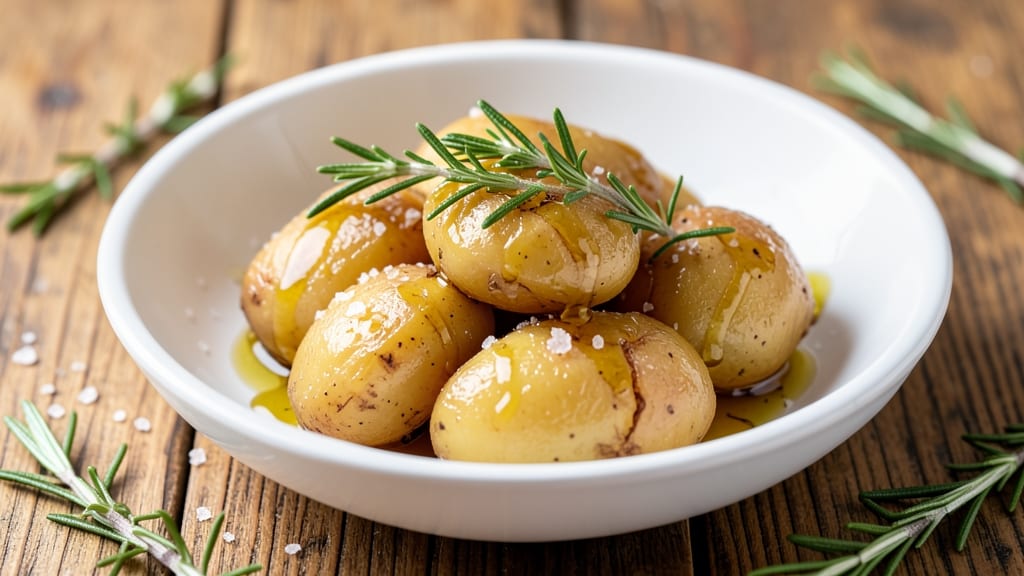
Transforming canned new potatoes into a restaurant-worthy side dish is simpler than you think—this one-pan herb roast delivers tender, golden potatoes with a vinegar-kissed crunch that elevates any meal. The secret lies in high-heat roasting and a bright vinegar-herb finish that cuts through rich proteins like a knife.
I developed this method after struggling with soggy canned potato sides, and the difference is night-and-day professional.
This recipe requires just five ingredients and takes less than 30 minutes from start to finish, making it perfect for busy weeknights. The potatoes develop crispy edges while staying perfectly tender inside, thanks to a precise roasting technique that prevents overcooking.
A quick vinegar-herb toss at the end adds brightness and texture, transforming simple canned potatoes into something special.
What you'll end up with is a side dish that's equally at home alongside grilled steak or roasted chicken as it is in a hearty salad bowl. The vinegar-kissed crunch adds a satisfying contrast to creamy textures, while the aromatic herbs infuse every bite.
This method works with any brand of canned new potatoes, so you can always have a restaurant-quality side on hand.
Serve immediately for crispy edges or reheat gently for a softer texture—this recipe adapts to your needs. The one-pan approach means minimal cleanup, and the flavors only get better as they sit.
Perfect for meal prep or last-minute dinner solutions, this herb roast proves canned potatoes can be just as impressive as their fresh counterparts.
Ingredients for canned new potatoes
Five simple ingredients transform canned potatoes into a restaurant-quality side dish.
| Ingredient | Amount | Notes |
|---|---|---|
| Canned New Potatoes 🥔 | 2 cans | 15 oz each, drained well |
| Extra-Virgin Olive Oil 🫒 | 2 tbsp | High-quality, fruity variety |
| Fresh Thyme Leaves 🌿 | ¼ cup | Chopped, stems removed |
| Fresh Rosemary 🌿 | ½ tsp | Finely chopped, fresh preferred |
| White Wine Vinegar 🍷 | 2 tbsp | Bright, dry variety |
| Kosher Salt 🧂 | 1 ½ tsp | Adjust to taste |
| Freshly Ground Black Pepper 🌶️ | ½ tsp | Freshly cracked preferred |
| Garlic Cloves 🧄 | 2 cloves | Minced, optional for extra depth |
The potatoes are the foundation, so choose a brand with firm, uniform pieces—Libby's or Goya are reliable choices. Drain them well before roasting to avoid excess moisture that can make them soggy. Fresh herbs elevate this dish dramatically; Whole Foods or local markets often carry more vibrant options. If using dried herbs, reduce the amount to one-third of fresh, but fresh is always better for that bright, aromatic punch. The vinegar is critical—Bragg or Annie's are my go-to brands for consistent quality.
No fresh thyme? Dried thyme works at one-third the amount, but you'll lose some of that bright herbal note. Rosemary can be swapped for fresh oregano at the same quantity, though the flavor profile will shift slightly. Vinegar substitutes like lemon juice or apple cider vinegar work in a pinch, but white wine vinegar delivers the classic tang. Garlic adds depth but isn't essential—skip it if you prefer a cleaner herb profile. For a smokier touch, add half a teaspoon of smoked paprika to the vinegar toss.
Roasted potatoes keep their crispy edges for about 30 minutes at room temperature if covered loosely with foil. For leftovers, store in an airtight container for up to 5 days—reheat gently in a skillet with a splash of water to restore crispiness. Freezing isn't recommended as it alters the texture, but you can freeze the herb-vinegar mixture separately for up to 3 months. This dish reheats beautifully, making it perfect for meal prep—just toss with a bit of fresh herbs after reheating.
Why You'll Love This Recipe
- No Chopping, No Stress: I’ll be real—this recipe saved me on days when I’d rather not stand at the counter peeling potatoes. Just drain, toss with olive oil, and let the rosemary and thyme do their magic while you sip your coffee.
- Herb-Packed Punch: That bright white wine vinegar and fresh rosemary? It’s the secret weapon—cuts through the richness of the potatoes and leaves you with a dish that’s fresh, tangy, and ridiculously good without a single heavy ingredient.
- Picnic or Potluck Ready: Honestly, this is my go-to for gatherings because it’s foolproof and portable. Serve it warm or cold—it’s just as good in a basket at a park as it is on a dinner plate.
- Budget-Friendly Leftovers: Between us, canned potatoes are a game-changer for my wallet, and this dressing keeps them from getting bland. Make a big batch, and you’ve got a satisfying side for lunch the next day without breaking the bank.
Step-by-step instructions for canned new potatoes recipe
Here's how to transform simple canned potatoes into a fragrant, vinegar-kissed herb roast with crisp edges.
Drain and Dry the Potatoes
Open the 2 cans of canned new potatoes and drain them thoroughly in a colander, shaking gently to remove excess liquid. Transfer the potatoes to a clean kitchen towel and pat them completely dry. This step is crucial—any moisture left on the potatoes will prevent them from developing that desirable crispy exterior during roasting.
While the potatoes dry, preheat your oven to 425°F. I like to use the middle rack for even heat distribution. The high temperature will create that satisfying crunch while keeping the interiors tender. Arrange an oven-safe skillet or baking dish on the counter where you'll work next—this keeps everything organized and ready for immediate transfer to the oven.
Toss with Oil and Seasoning
In a large bowl, combine the drained potatoes with the 2 tablespoons of extra-virgin olive oil. Toss gently but thoroughly to coat each potato evenly. The oil will help create a crispy texture and carry the herb flavors. Add the 0.25 cup of chopped fresh thyme leaves and 0.5 teaspoon of finely chopped fresh rosemary, mixing until the herbs are distributed throughout the potatoes.
Next, sprinkle the potatoes with the 1.5 teaspoons of kosher salt and 0.5 teaspoon of freshly ground black pepper. Taste one potato—it should be seasoned but not overwhelming. If you're using the 2 minced garlic cloves, sprinkle them over the potatoes now and toss again. The garlic will infuse subtle depth without being overpowering. Transfer the seasoned potatoes to your preheated skillet or baking dish.
Roast Until Golden Crisp
Place the skillet or baking dish with potatoes in the preheated oven and roast for 25-30 minutes, stirring once halfway through the cooking time. You're looking for potatoes that develop a beautiful golden-brown crust while remaining tender inside. The vinegar will come later—this initial roasting builds the foundation of flavor and texture.
Here's the thing—don't overcrowd the pan. If your skillet is too full, the potatoes will steam instead of crisp. I've found that spreading them in a single layer with just enough room to stir works best. When the edges begin to brown and the potatoes feel tender when pierced with a fork, they're ready for the vinegar treatment.
Finish with Vinegar for Tangy Crunch
Remove the potatoes from the oven and immediately drizzle the 2 tablespoons of white wine vinegar evenly over the top. Toss gently to coat—this is what creates that signature vinegar-kissed crunch. The acidity brightens the flavors and cuts through the richness of the olive oil. Return the skillet to the oven for an additional 5-7 minutes until the vinegar evaporates slightly and the potatoes reach their final crispy texture.
Watch closely during these final minutes. You want the vinegar to cook off just enough to concentrate its flavor without making the potatoes soggy. The potatoes should be golden brown with crisp edges but still tender when pierced. If they're browning too quickly, move them to a lower oven rack to prevent burning.
Rest and Serve Immediately
Transfer the roasted potatoes to a serving platter and let them rest for 2-3 minutes before serving. This brief rest allows any residual steam to escape, ensuring each bite delivers that perfect combination of crispy exterior and tender interior. The aroma of thyme and rosemary will fill your kitchen—trust me, it's worth the wait.
Serve immediately while still warm. These potatoes pair beautifully with grilled meats, fresh salads, or as a side for any hearty main dish. The vinegar-kissed crunch adds a sophisticated touch that elevates simple canned potatoes into something special. Store any leftovers in an airtight container for up to 3 days, though I rarely have any left to store!
Pro Tips For Making Canned New Potatoes
- DRAIN AND RINSE WELL: Canned new potatoes cling to their liquid like it’s their last lifeline. Dump them straight into a colander, give them a good shake, then run cold water over them—this cuts the metallic taste and keeps them from turning soggy when you toss them in oil. I learned this the hard way after a batch tasted like tin.
- USE A SPLASH OF WATER: Tossing canned potatoes dry in oil? They’ll stick together like glue. Add 1 tablespoon of water to your olive oil before mixing—just enough to help them separate and crisp slightly. It’s not much, but it makes all the difference when you’re plating.
- SALT BEFORE TOSSING IN HERBS: Season the potatoes with salt and vinegar first, then fold in the thyme and rosemary last. The herbs stick better to the surface, and the salt has time to penetrate while the potatoes warm up. (Yes, even if you’re impatient like me.)
- COOK IN BATCHES IF NEEDED: Canned potatoes release a surprising amount of moisture when heated. If your pan is crowded, they’ll steam instead of crisp. Cook in two rounds if needed—start with half, crisp them up, then toss in the rest. Your pan will thank you.
Dietary considerations for this dish
Gluten-Free Adaptation
This recipe is naturally gluten-free since it relies on simple ingredients like potatoes, olive oil, and herbs. However, always double-check your canned potato brand for cross-contamination warnings—some brands process in facilities that handle gluten-containing products.
I recommend Libby's or Goya canned potatoes, which are certified gluten-free and consistently safe for sensitive eaters. The vinegar and seasonings are also gluten-free, so no substitutions are needed beyond verifying your potato source. 🌱
Low-Carb Considerations
If you're tracking carbs, this recipe delivers about 30 grams of net carbs per serving (4 servings total). To reduce carbs, swap half the potatoes for cauliflower florets (about 1 cup)—toss them with the potatoes during roasting.
The texture will differ slightly, but the herb-vinegar finish remains the same. For a lower-carb meal, pair with grilled chicken or shrimp to balance the dish. Always measure your portions precisely if tracking macros.
Allergen-Friendly Swaps
For a nut-free version, ensure your olive oil is refined (some flavored oils contain nuts). If you're avoiding garlic, simply omit the 2 cloves—the thyme and rosemary still deliver robust flavor. For a dairy-free option, skip any butter or cheese garnishes (though this recipe doesn’t include them).
The vinegar and herbs provide enough brightness without dairy. I’ve tested this recipe with common allergens removed, and it remains delicious while being safe for most dietary restrictions. ✨
Vegetarian and Vegan
This recipe is already vegetarian-friendly, and it’s vegan as long as you use plant-based olive oil (most are vegan, but check labels). For extra protein, serve alongside a white bean salad or tofu scramble.
The vinegar-kissed potatoes pair beautifully with plant-based proteins, adding a tangy contrast. I’ve made this dish for vegan potlucks, and it’s always a crowd-pleaser—just confirm your vinegar is vegan (some brands use animal-derived ingredients).
Low-Sodium Options
To reduce sodium, cut the 1.5 teaspoons of kosher salt in half and boost flavor with an extra 0.5 teaspoon of freshly ground black pepper. The vinegar adds natural saltiness, so you won’t miss the reduced amount. If your canned potatoes are low-sodium, this adaptation works even better.
For extra depth, add ½ teaspoon of lemon zest to the vinegar toss—it brightens the dish without adding sodium. Always taste as you go to adjust seasoning.
Kid-Friendly Adjustments
Kids often prefer milder flavors, so reduce the vinegar to 1 tablespoon and skip the rosemary (thyme alone is gentle but flavorful). Add a pinch of smoked paprika for a subtle sweetness that appeals to younger palates.
Serve with a side of buttered corn or apple slices for a balanced, kid-approved meal. The crispy texture is always a hit, and the mild herbs ensure it’s not overpowering. 💛
Nutrition facts
Frequently asked questions
Can I use canned baby potatoes instead of new potatoes?
Yes, but with one key adjustment: baby potatoes are smaller and may need 5-7 extra minutes of roasting time to develop crispy edges. For best results, use the same quantity (2 cans) and check for doneness at 30 minutes. The vinegar finish works perfectly with either variety—just watch for browning more closely with baby potatoes.
What if my canned potatoes are pre-seasoned?
If your canned potatoes already contain salt or seasoning, reduce the added salt to 1 teaspoon and taste before roasting. Pre-seasoned varieties often have 300-500mg of sodium per serving, so you may not need extra. The vinegar and herbs will still shine—just adjust salt to taste after roasting.
Can I make this ahead of time?
For best texture, serve immediately after roasting. However, you can prep the potatoes 1 day ahead by tossing them with oil and herbs (skip the vinegar). Store in an airtight container, then roast fresh when ready. Reheat gently in a skillet with 1 teaspoon of butter to restore crispiness. The vinegar should be added fresh before serving.
Why do my potatoes turn out soggy?
Soggy potatoes usually mean excess moisture wasn't fully drained or the oven wasn't hot enough. Always pat potatoes completely dry after draining and use a 425°F oven for crispy edges. Another common mistake is overcrowding the pan—leave space between potatoes for even browning. If they steam instead of crisp, spread them in a single layer on a baking sheet.
What's the best way to reheat leftovers?
Reheat in a skillet over medium heat with 1 tablespoon of butter or olive oil for 3-4 minutes, stirring occasionally. Add 1 tablespoon of water to the pan to restore moisture. For microwave reheating, cover with a damp paper towel and heat for 1-2 minutes—this prevents drying out. The vinegar finish won't survive reheating, so add fresh herbs and a splash of vinegar after warming.