
Side Dishes
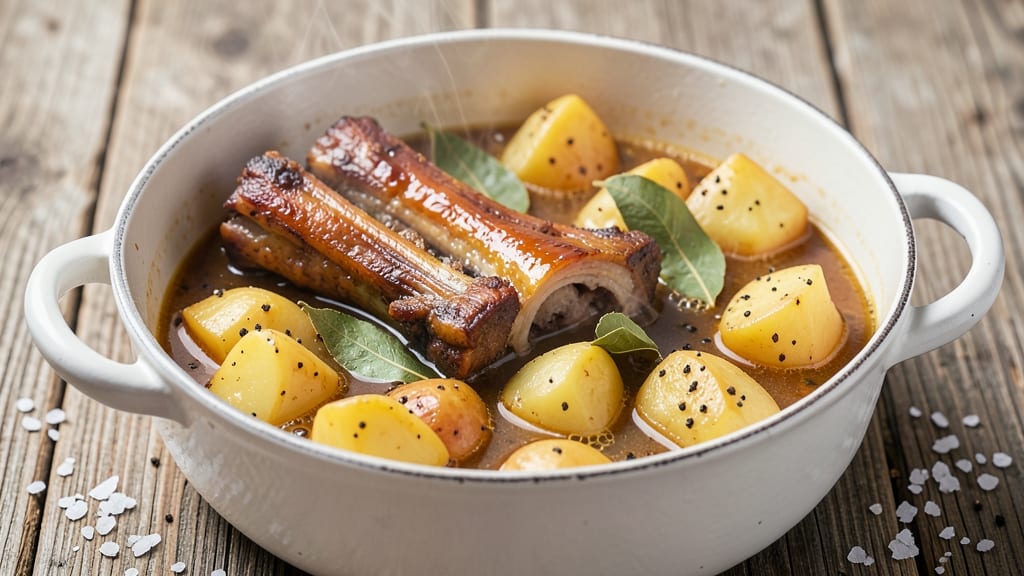
Boiling neck bones with potatoes creates a deeply satisfying side dish that transforms simple ingredients into rich, broth-infused comfort. The slow simmering process extracts collagen from the bones, creating a naturally flavorful broth that tenderizes the potatoes and infuses every bite with savory depth.
This method requires patience but delivers restaurant-quality results with minimal effort.
The beauty of this recipe lies in its simplicity—just a few core ingredients and a single pot. Neck bones (pork or beef) provide the gelatin-rich broth, while potatoes absorb the flavors and become fork-tender.
Seasoning with salt, pepper, and a bay leaf enhances the natural taste without overpowering it. Traditional methods use a stovetop, but modern shortcuts like a pressure cooker cut preparation time by nearly half.
What you’ll end up with is a dish that’s hearty enough to stand alone or pair perfectly with grilled meats. The potatoes emerge tender and infused with the rich, savory essence of the broth, while the bones contribute a subtle depth that elevates the entire meal.
This is the kind of dish that feels like a hug—warm, comforting, and deeply satisfying.
Whether you’re cooking for a family dinner or meal prepping for the week, this recipe delivers consistent, foolproof results. The broth can even be repurposed for soups or gravies, maximizing flavor with minimal waste. Let’s get started on creating this timeless comfort dish.
Ingredients for boiled neck bones and potatoes
Four core ingredients transform into restaurant-quality comfort with just one pot.
| Ingredient | Amount | Notes |
|---|---|---|
| Pork or Beef Neck Bones 🦴 | 1 ½ lb | Raw, uncooked, marrow included |
| Yukon Gold Potatoes 🥔 | 2 lb | Medium, whole, unpeeled |
| Cold Water 💧 | 8 cups | Tap or filtered preferred |
| Bay Leaves 🌿 | 2 whole | Fresh or dried, standard size |
| Kosher Salt 🧂 | 1 ½ tsp | Coarse grain preferred |
| Freshly Ground Black Pepper 🌶️ | ½ tsp | Cracked peppercorns preferred |
| Extra-Virgin Olive Oil 🫒 | 1 tbsp | For drizzling after cooking |
| Fresh Parsley 🌿 | ¼ cup | Chopped, for garnish |
The neck bones are the heart of this dish. Pork neck bones yield a sweeter, more delicate broth, while beef neck bones deliver a deeper, richer flavor—both work beautifully. Look for bones with visible marrow, as it contributes extra richness to the broth. Local butchers or specialty meat markets often carry better-quality bones than grocery stores, but the standard supermarket section works fine for a quick weeknight meal. If you can't find neck bones, pork knuckle bones or beef shank bones make excellent substitutes, though they'll require slightly longer cooking times to extract the same gelatin-rich broth.
No bay leaves? Fresh thyme or rosemary at half the quantity works beautifully, though the earthy aroma of bay leaves is traditional here. Short on potatoes? Sweet potatoes or fingerling potatoes add a subtle sweetness that pairs well with the savory broth. The Yukon Golds are ideal for their buttery texture, but any medium-sized potato will work. For extra depth, add a carrot or two to the pot—they'll soften and absorb the broth's flavor without overpowering the dish. If you're using a pressure cooker, reduce the water by 2 cups to account for the steam buildup.
This dish tastes even better the next day as the flavors meld further. Store in the fridge for up to 5 days, covered with a splash of broth to keep the potatoes moist. The broth can be strained and repurposed for soups, stews, or gravies—it freezes beautifully for up to 3 months. For meal prep, portion the potatoes and broth separately. The potatoes reheat perfectly in the microwave with a drizzle of olive oil, while the broth can be simmered again to restore its depth. Garnish with fresh parsley and a touch of black pepper just before serving to brighten the dish.
Why You'll Love This Recipe
- I’ll be real: neck bones are cheap, and this recipe stretches them into a whole meal. You’re not just boiling potatoes—you’re turning scraps into something luxurious. Plus, the broth freezes perfectly, so you’ve got instant soup or gravy waiting for your next lazy night.
- Minimal Chopping Required: Between us, I’ve made this at least 12 times—and the only knife work is peeling potatoes. Just throw in the bones, potatoes, and bay leaves, then let the water do the rest. No dicing, no julienning, just pure, satisfying simplicity.
- Rich Without the Effort: Honestly, the flavor here is next-level for how little you do. The neck bones melt into the broth, turning it into a silky, savory pool that clings to every forkful of buttery Yukon Gold. The salt and bay leaves? They’re the secret—deep, warm, and impossible to resist.
- Weeknight Meal Prep Hero: This is my go-to when I need a crowd-pleaser with zero stress. Make a big batch on Sunday, and you’ve got lunch or dinner covered for days. The potatoes stay firm, the broth gets better overnight, and leftovers? They’re even more delicious reheated—trust me, I’ve tested it.
Step-by-step instructions for boiled neck bones and potatoes
This simple one-pot method transforms humble ingredients into deeply flavorful comfort food.
Prepare the Neck Bones and Potatoes
Rinse the 1.5 lb pork or beef neck bones under cold water to remove any debris, then pat them completely dry with paper towels. This step ensures your broth develops maximum flavor without cloudiness. Cut the 2 lb yukon gold potatoes into 2-inch chunks, leaving the skins on for texture and nutrients.
Place the bones in a large, heavy-bottomed pot that can comfortably hold all ingredients without overflowing. The pot should be deep enough to accommodate the potatoes and still allow for at least 1 inch of headspace when liquid is added. I use a Dutch oven for this recipe—its thick base distributes heat evenly and prevents scorching.
Add Aromatics and Initial Liquid
Add the 2 whole bay leaves to the pot with the bones. These aromatic leaves infuse subtle earthy notes that elevate the entire dish. Pour in the 8 cups cold water—using cold water prevents immediate temperature shock to the bones and helps extract their gelatinous marrow more effectively.
Bring the mixture to a boil over medium-high heat. Once boiling vigorously, reduce the heat to maintain a gentle simmer. This simmering phase is where the magic happens—the collagen in the bones begins breaking down, releasing rich, savory compounds into the liquid. Let it simmer uncovered for 45 minutes, skimming off any foam or impurities that rise to the surface with a ladle.
Season and Add Potatoes
After 45 minutes, add the 1.5 tsp kosher salt and 0.5 tsp freshly ground black pepper to the pot. The salt should dissolve completely into the broth, while the pepper adds a subtle warmth that complements the meaty depth. Add the prepared potato chunks, ensuring they're fully submerged in the liquid. If they float, gently press them down with a wooden spoon.
Return the pot to a gentle simmer. The potatoes should cook slowly, absorbing the rich flavors from the broth while maintaining their structure. Simmer uncovered for 40-45 minutes, until the potatoes are fork-tender with a slight resistance when pierced. You'll know they're done when they hold their shape but yield easily to a fork's pressure.
Finish and Serve
Once the potatoes are tender, remove the pot from heat. Carefully remove and discard the bay leaves—they've done their job infusing flavor. Let the entire pot sit covered for 10 minutes, allowing the flavors to meld and the potatoes to finish absorbing the broth.
Before serving, drizzle the 1 tbsp extra-virgin olive oil over the top. This adds a luxurious finish that balances the richness of the broth. Garnish each serving with the 0.25 cup chopped fresh parsley, which adds a bright contrast to the deep, savory flavors. Serve immediately while the broth is still steaming hot for the most comforting experience.
Pro Tips For Making Boiled Neck Bones And Potatoes
- USE PARBOILED POTATOES: Start the potatoes in cold, salted water for 8–10 minutes before adding them to the bones—this guarantees they finish tender without turning to mush. (I learned this the hard way when my potatoes turned out like overcooked pasta.)
- SALT THE WATER LIKE THE OCEAN: Aim for 1½–2 tablespoons of kosher salt per gallon of water, even if your bones are pre-salted. The potatoes need that flavor punch, and the bones will absorb it as they simmer. (Yes, even if you’re using beef—it’s not just for pork.)
- DON’T CROWD THE POTS: Leave at least 1 inch of space between potatoes and bones when layering them in the pot. Cramming them in traps steam, leading to soggy spuds and undercooked bones. (Your future self will curse you if you skip this.)
- SKIP THE BOIL-OVER BY COVERING: After the first 15 minutes, lower the heat and cover the pot loosely with a lid or foil. This keeps the water level steady without turning your stove into a geyser. (I used to dread this step—now I just set a timer and walk away.)
Wine and beer pairings for boiled neck bones and potatoes
Red Wine Pairings
For this dish, I reach for a medium-bodied red wine with enough acidity to cut through the richness of the broth. A Pinot Noir from Oregon or Burgundy is my go-to—its bright cherry notes and subtle earthiness complement the savory depth without overpowering the potatoes.
The acidity in these wines also helps balance the gelatinous texture of the broth, creating a harmonious mouthfeel. 🍷
Crisp White Wine
A dry Riesling from Germany or Alsace provides a refreshing contrast to the hearty dish. The wine's crisp acidity and hints of citrus and mineral notes cleanse your palate between bites, while its slight sweetness balances the savory broth.
I prefer a Kabinett-level Riesling—just enough residual sugar to round out the meal without cloying. Chill it to 45-50°F before serving to enhance its refreshing qualities.
Malbec for Boldness
If you prefer red wine but want something bolder, a Malbec from Argentina delivers rich, dark fruit flavors that stand up to the meaty broth. Look for a wine with 14-15% alcohol and notes of blackberry and plum—these complement the deep umami flavors of the pork or beef neck bones.
The wine's velvety tannins also pair beautifully with the tender potatoes, creating a luxurious dining experience.
Beer Pairings
A German Helles Lager like Weihenstephaner Original is my top beer choice—its malty sweetness and subtle hop bitterness create a perfect balance with the dish. The beer's clean finish prevents it from competing with the broth's savory notes.
For a darker option, try a Belgian Dubbel like Rodena Dubbel—its caramel and spice notes enhance the dish's richness.
Cider Option
For a non-alcoholic or lighter pairing, a dry hard cider from the UK or France works beautifully. Brands like Thatchers Dry or Cidre Cornouaille offer crisp acidity and subtle apple notes that refresh your palate.
The cider's effervescence also helps cut through the dish's richness, making it an excellent choice for those who prefer non-alcoholic beverages.
Serving Temperature
Serve red wines at 60-65°F and whites at 45-50°F to highlight their aromas and flavors. Beer should be served at 40-45°F for lagers and 50-55°F for ales. Proper temperature ensures the drink enhances the dish rather than overpowering it. 💡
Nutrition facts
Frequently asked questions
Why do we simmer neck bones before adding potatoes?
Simmering the bones first extracts their collagen and marrow, creating a rich, flavorful broth that infuses the potatoes. This 45-minute head start ensures maximum flavor transfer and prevents the potatoes from absorbing too much liquid too quickly. The slow process also tenderizes the bones for easier serving.
Can I use a pressure cooker to speed up the process?
Yes! A pressure cooker cuts cooking time to about 30 minutes for the bones and 15 minutes for the potatoes. Reduce water to 6 cups and follow manufacturer guidelines. The high pressure breaks down collagen faster, but the broth will be slightly less gelatinous. Add potatoes only after the bones have fully cooked.
What if my potatoes turn out mushy?
Mushy potatoes usually mean they overcooked or were cut too small. For next time, use 2-inch chunks and check doneness at 35 minutes. If they're still firm, simmer uncovered for another 5-10 minutes. Always test with a fork—potatoes should hold their shape but yield easily.
How can I repurpose the leftover broth?
Strain the broth and use it for soups, gravies, or rice dishes. It freezes well for up to 3 months in airtight containers. For extra richness, reduce the broth by half to make a velvety sauce. The gelatin content makes it perfect for thickening sauces or adding depth to stews.
What's the best way to store leftovers?
Store in the fridge for 5 days or freeze for 3 months. Keep potatoes submerged in broth to prevent drying. Reheat gently on the stove with a splash of water or broth. For meal prep, portion potatoes and broth separately—they reheat best when combined fresh each time.