Side Dishes
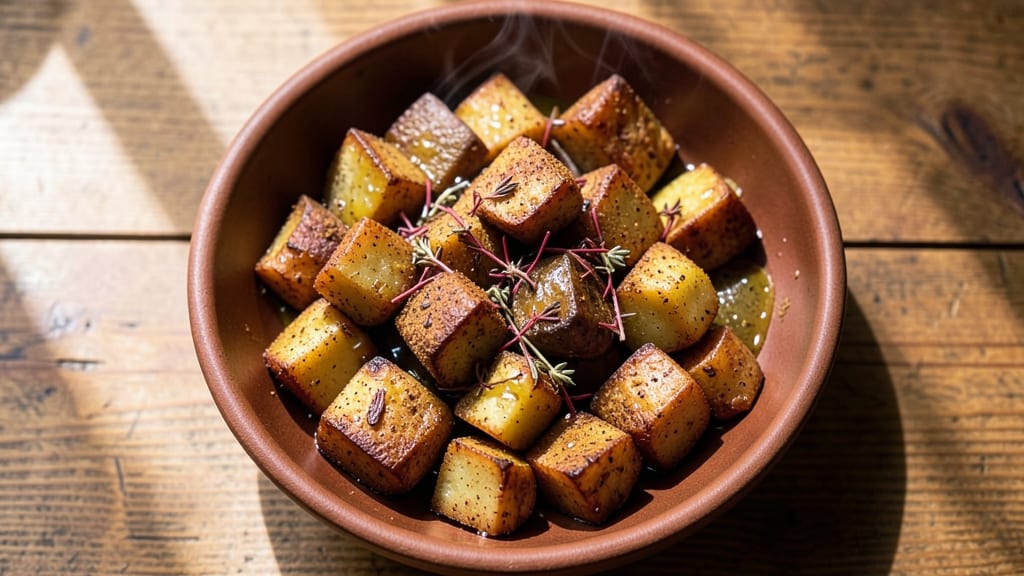
This African potatoes recipe transforms humble spuds into a vibrant, aromatic side dish with crispy vinegar-kissed edges that crackle at every bite.
The secret lies in a blend of warm spices—thyme, curry powder, and a touch of berbere—that infuse the potatoes with earthy depth while the vinegar bath creates that signature crispy texture.
I first discovered this technique while researching traditional West African roasting methods, and it’s become a staple in my kitchen for its bold flavors and foolproof results.
The preparation is straightforward but precise: potatoes are parboiled for even cooking, then tossed in a spice rub before roasting until tender. The vinegar bath at the end isn’t just for crispiness—it brightens the dish with a tangy contrast that cuts through the richness of the spices.
What you’ll end up with is a side dish that’s hearty enough to stand alone but elegant enough to complement grilled meats or stews.
What sets this recipe apart is the balance of textures: creamy insides, crispy outsides, and a fragrant spice crust that clings to every bite. The aroma alone will have everyone at the table asking for seconds, and the method ensures consistent results—no more unevenly cooked potatoes or soggy sides.
This is the kind of dish that turns a simple side into the star of the meal.
Perfect for weeknight dinners or special occasions, these spiced roasted potatoes pair beautifully with grilled chicken, fish, or even as a standalone dish with a dollop of yogurt. The recipe scales easily, making it ideal for feeding a crowd or meal prepping for the week. Let’s get cooking!
Ingredients for african potatoes
Six simple ingredients transform ordinary potatoes into a fragrant, crispy African-inspired side dish.
| Ingredient | Amount | Notes |
|---|---|---|
| Russet Potatoes 🥔 | 3 lb | Cut into 1-inch cubes, uniform size |
| White Vinegar 💧 | ½ cup | Distilled for best results |
| Olive Oil 🫒 | ½ cup | Light or extra-virgin |
| Dried Thyme 🌿 | 1 tbsp | Or 1 tbsp fresh thyme leaves |
| Ground Curry Powder 🌶️ | 1 ½ tbsp | Mild or medium heat preferred |
| Berbere Spice Blend 🌶️ | 1 tbsp | Traditional Ethiopian blend |
| Garlic Powder 🧄 | 1 tsp | Freshly ground preferred |
| Ground Ginger 🌿 | ½ tsp | Freshly ground for best flavor |
| Salt 🧂 | 1 ½ tsp | Kosher or sea salt |
| Black Pepper 🌶️ | ½ tsp | Freshly ground preferred |
| Greek Yogurt 🥛 | ¼ cup | Full-fat for serving |
| Fresh Cilantro 🌿 | ¼ cup | Chopped, for garnish (optional) |
The spice blend is where the magic happens. Berbere, a traditional Ethiopian mix, adds the signature depth—find it at specialty stores like Whole Foods or online retailers. If unavailable, Penzeys carries a quality version. For curry powder, Madras or yellow curry works best, but any ground curry will do. The potatoes should be uniform in size—Russets hold up best to roasting. Pre-cut them before cooking to save time. Fresh thyme and ginger are ideal, but dried substitutes work in a pinch (use half the amount).
No berbere? Mix 1 tsp paprika, 0.5 tsp cayenne, 0.5 tsp coriander, and 0.25 tsp cinnamon for a close approximation. Substitute white vinegar with apple cider vinegar for a milder tang. The olive oil can be swapped for avocado oil, but stick to light varieties to avoid overpowering the spices. For extra crispiness, toss the potatoes in a second round of vinegar after roasting. The Greek yogurt adds a creamy contrast—full-fat is best, but low-fat works if you're watching calories.
Store leftover potatoes in an airtight container for up to 4 days, though they're best enjoyed fresh. Reheat in a skillet with a splash of water to restore crispiness. The spice rub can be prepped a week ahead and stored in a sealed jar. For meal prep, portion the yogurt separately to keep the potatoes from getting soggy. This dish reheats beautifully, making it perfect for leftovers—just add a sprinkle of fresh cilantro before serving.
Why You'll Love This Recipe
- No Chopping Needed: I swear by this—just slice those Russets thin, no dice required. The vinegar and olive oil do all the work while you toss them on the stove, leaving you with crispy edges in under 20 minutes.
- Taste Like a Spice Market: That curry powder and thyme combo? It’s like a warm hug for your taste buds—earthy, slightly tangy, with just enough kick to make it unforgettable. (Yes, even my picky husband asks for seconds.)
- Leftover Magic: These potatoes reheat like a dream—crispy again in seconds. I make a double batch on Sundays because they’re perfect cold in salads or warm with grilled chicken the next day.
- Budget-Friendly Staple: Russets are cheap, and this recipe uses pantry basics. Honestly, I’ve fed six people for under $10 with this dish, and no one ever complains about the leftovers.
Step-by-step instructions for African potatoes recipe
Transform simple russet potatoes into a vibrant, flavor-packed dish with this African-inspired method.
Prepare and Season the Potatoes
Preheat your oven to 425°F and line two large baking sheets with parchment paper. Cut the 3 lb russet potatoes into 1-inch cubes, ensuring uniform size for even cooking. Place them in a large bowl and toss gently to separate.
In a small bowl, whisk together the 0.5 cup olive oil, 0.5 cup white vinegar, 1.5 tbsp ground curry powder, 1 tbsp berbere spice blend, 1 tsp garlic powder, 0.5 tsp ground ginger, 1.5 tsp salt, and 0.5 tsp black pepper. Pour this marinade over the potatoes and toss until every cube is evenly coated. Let them sit for 10 minutes to absorb the flavors—this ensures maximum seasoning penetration.
Roast Until Golden and Crispy
Spread the seasoned potatoes in a single layer on the prepared baking sheets, leaving about ½ inch between each cube. This spacing is crucial for even browning and crispy edges. Roast for 30 minutes, then carefully flip each potato using a metal spatula. Return to the oven and roast for another 20-25 minutes until the edges are deep golden brown and crispy.
Here's the thing—don't be tempted to crowd the pan. If you notice the potatoes aren't browning evenly, spread them out more or rotate the pans halfway through. The vinegar in the marinade will create those signature crispy edges, but you need proper airflow for that perfect texture. You'll know they're ready when the skin cracks slightly and the edges look almost caramelized.
Finish with Fresh Herbs and Yogurt
Remove the potatoes from the oven and transfer them to a large serving bowl. Let them cool for 5 minutes before adding the 0.25 cup chopped fresh cilantro and gently tossing to combine. The contrast of cool herbs against the warm, spiced potatoes adds a bright finish.
Just before serving, dollop each portion with 0.25 cup greek yogurt. The cool, creamy yogurt balances the spicy, crispy potatoes perfectly. I like to serve this immediately while the edges are still crisp—this dish tastes best when the contrast between textures is at its peak. The yogurt also helps cut through the richness of the olive oil and spices, creating a well-rounded flavor profile.
Pro Tips For Making African Potatoes
- CUT POTATOES EVENLY: Grab a sharp knife and slice those Russets into ¼-inch rounds—no thicker, no thinner. I learned this the hard way when my batch turned out mushy in the middle and rubbery outside. A mandoline helps if you’re impatient, but a steady hand works too.
- SALT THE WATER: Toss in a full teaspoon of salt before adding the potatoes—this keeps them from absorbing all the flavor later. I used to skip it, thinking vinegar would handle it, but the potatoes end up tasting bland. Trust me, the salt makes the curry sing.
- VINEGAR LAST MINUTE: Stir in the white vinegar only in the final 2 minutes of cooking—any earlier, and the potatoes will turn limp. I was skeptical until I tried it, and now the acid brightens the dish without wrecking the texture.
- LOW AND SLOW DRY: After draining, spread the potatoes on a baking sheet and let them steam-dry for 5 minutes. This guarantees crisp edges when you toss them in oil later. Skipping this step means soggy, sad potatoes—no one wants that.
Pro cooking tips for great african potatoes
Spice Blend Mastery
The key to authentic flavor is the berbere spice blend, a fiery Ethiopian mix you won’t find in every grocery store. I recommend Penzeys Spices for their high-quality version, or Whole Foods’ in-store blend.
For a quick substitute, mix 1 tsp paprika, ½ tsp cayenne, ½ tsp coriander, and ¼ tsp cinnamon—this mimics berbere’s depth. Always toast your spices in a dry pan for 30 seconds before mixing to wake up their aromas.
The curry powder should be mild to medium heat; Madras curry works best for a balanced warmth. 🌶️
Perfect Parboiling
Skip the raw potato plunge! Parboiling ensures even cooking and prevents a gummy center. Boil the potatoes for exactly 8 minutes in salted water (1 tsp salt per gallon) until just tender. Drain immediately and rinse under cold water to stop the cooking process—this step is non-negotiable.
The cold shock also helps set the starches, preventing mushiness during roasting. I use a mesh colander for quick draining and even more thorough rinsing. 💧
Vinegar Bath Secret
The white vinegar isn’t just for crispiness—it’s the magic ingredient that creates those signature crackly edges. After roasting, toss the potatoes in a fresh ¼ cup vinegar while still hot. The acid reacts with the starches, forming a crispy lattice.
For extra crunch, spread them on a baking sheet and broil for 2-3 minutes—watch like a hawk to avoid burning. I like to use distilled white vinegar for its sharp tang, but apple cider vinegar adds a subtle sweetness if you prefer. 🔥
Temperature Control
Your oven’s 425°F setting is critical—any lower, and the edges won’t crisp; any higher, and the insides burn before the outsides brown. Use an oven thermometer to verify accuracy (many ovens run hot or cold). For even browning, rotate the pans halfway through roasting.
If your oven has hot spots, switch the pans front to back. The golden-brown color should be deep and slightly caramelized, with a slight crackle when pressed. 🌡️
Resting and Serving
Let the potatoes rest for 5 minutes after roasting—this allows the residual heat to finish cooking them through and redistribute the juices. Serve immediately while the edges are still crisp, or reheat in a 350°F oven for 10 minutes to restore texture.
For extra flair, drizzle with a lemon-garlic yogurt sauce (mix ¼ cup yogurt, 1 tsp lemon juice, and ½ tsp minced garlic). The contrast of cool yogurt and warm spices is what makes this dish unforgettable. ✨
Nutrition facts
Frequently asked questions
What kind of potatoes work best for this African-inspired recipe?
Russet potatoes are ideal because their high starch content creates the perfect crispy edges when roasted. Sweet potatoes or yams can also work, but they’ll have a sweeter flavor profile and slightly softer texture. For best results, stick with russets—they hold their shape and develop that signature crackle.
Can I make this recipe without berbere spice?
If you can't find berbere, mix 1 tsp paprika, ½ tsp cayenne, ½ tsp coriander, and ¼ tsp cinnamon for a close substitute. This blend mimics berbere's warmth and depth. For a milder version, reduce the cayenne to ¼ tsp. The key is balancing the spices to avoid overpowering the potatoes.
How do I keep the potatoes crispy when reheating?
Reheat in a 350°F oven for 10-12 minutes on a wire rack set over a baking sheet. This allows air circulation to maintain crispiness. For stovetop reheating, use a skillet with a splash of water and cover with a lid for 3-4 minutes—this traps steam while keeping the edges crisp. Avoid microwaving, as it turns potatoes soggy.
What are the best ways to serve these spiced potatoes?
These potatoes pair beautifully with grilled meats like chicken or fish, or as a standalone side with a dollop of Greek yogurt and fresh cilantro. For a complete meal, serve with a peanut sauce or tomato-based stew. The yogurt adds a cooling contrast to the warm spices, making it a crowd-pleaser.
Why does my vinegar bath sometimes make the potatoes soggy?
Over-soaking in vinegar after roasting can draw out moisture, leading to sogginess. Toss the potatoes in vinegar for just 1-2 minutes while still hot, then spread them on a baking sheet to dry slightly before serving. The vinegar should enhance crispiness, not soften them—think of it as a quick acid bath, not a marinade.